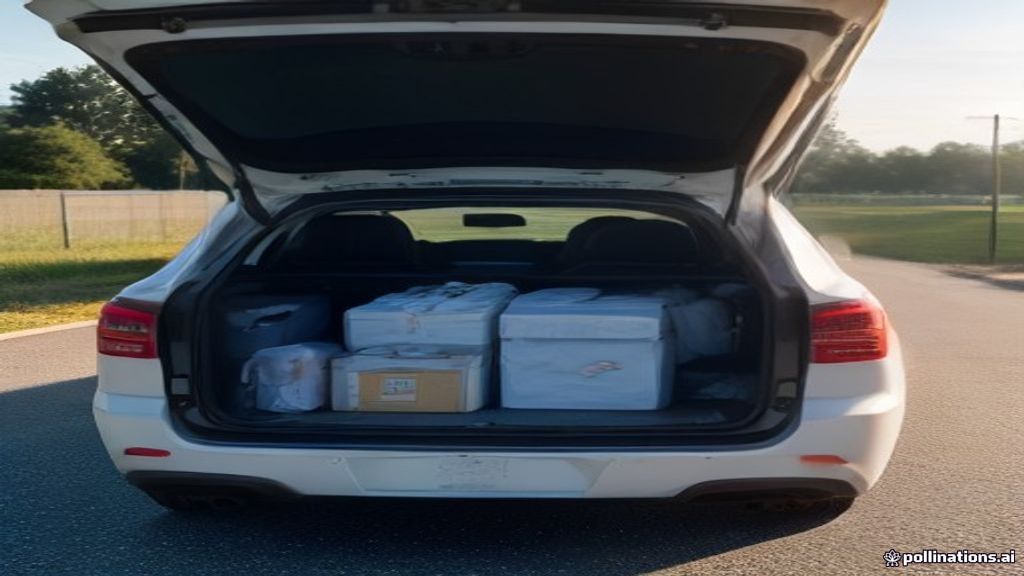
Independent medical couriers in the United States typically earn between $22 and $48 per hour, translating to gross earnings of $900 to $2,200+ per week depending on route structure, vehicle efficiency, and whether they handle scheduled runs or high-urgency “STAT” deliveries. After deducting vehicle operating costs, fuel, commercial auto insurance, and self-employment taxes, net take-home earnings generally range from $16 to $34 per hour. Top earners boost their profit margins by securing direct contracts with regional hospital networks and medical laboratories rather than relying strictly on third-party gig platforms.
Detailed Payout Rates & Earnings Breakdown
Medical courier earnings vary significantly based on contract type, delivery speed requirements, and biological specimen classification. Scheduled route drivers enjoy predictable daily income, whereas on-demand STAT couriers command higher premium fees for emergency, time-critical transfers.
| Route Type / Contract Tier | Gross Earnings Scale | Typical Time & Distance | Estimated Expense Ratio | Net Hourly Equivalent |
|---|---|---|---|---|
| Scheduled Local Lab Pickups | $150 – $310 per day | 6–8 hours / 100–180 miles | 25% – 35% | $18 – $28 / hr |
| On-Demand / STAT Medical Deliveries | $35 – $120 per single run | 1–3 hours / 20–80 miles | 20% – 30% | $25 – $42 / hr |
| Long-Distance Organ & Specimen Transport | $300 – $850 per trip | 4–10 hours / 200–500 miles | 30% – 40% | $30 – $52 / hr |
| Hospital System Inter-Facility Express | $200 – $380 per shift | 8–10 hours / 140–250 miles | 25% – 32% | $22 – $34 / hr |
| Third-Party Logistics (3PL) Gig Apps | $20 – $32 per hour | Flexible / Variable miles | 30% – 38% | $14 – $22 / hr |
Payment cycles depend entirely on how you contract your services. Subcontractors working through logistics apps (such as Dropoff, Express Courier, or Associated Couriers) are usually paid on a weekly or bi-weekly direct deposit schedule. Independent contractors holding direct B2B service agreements with medical groups typically issue monthly invoices with Net-15 or Net-30 payment terms.
Step-by-Step Practical Blueprint: How to Start Earning
Launching an independent medical courier business requires specific certifications and setup to safely transport sensitive materials, medical records, and bio-specimens. Follow this structured blueprint to launch your operations efficiently.
Step 1: Obtain Essential Certifications and Legal Setup
Before accepting your first medical dispatch, you must complete regulatory compliance training. Medical facilities are federally required to ensure their logistics partners follow healthcare safety protocols:
- OSHA Bloodborne Pathogens Certification: Covers OSHA standard 29 CFR 1910.1030 for handling biohazardous materials, blood samples, and infectious agents. Online training costs $20–$40 and takes under two hours.
- HIPAA Awareness Training: Ensures compliance with patient privacy mandates when handling patient records, prescription pharmaceuticals, or labeled test samples.
- Business Structure Setup: Form a Limited Liability Company (LLC) and secure a Federal Employer Identification Number (EIN) from the IRS to separate personal liabilities from commercial route operations.
Step 2: Equip Your Vehicle to Healthcare Standards
You do not need an expensive refrigerated van to start, but your personal sedan, SUV, or cargo van must be outfitted with compliance gear:
- Medical Specimen Coolers: Secure hard-shell, spill-proof transport coolers capable of keeping samples at room, chilled, or frozen temperatures.
- Digital Temperature Monitors: Use NIST-traceable calibrated thermometers or continuous dataloggers to document chain-of-custody temperature integrity during transport.
- Universal Biohazard Spill Kit: Keep an approved spill response kit containing fluid absorbent, disinfectant solution, nitrile gloves, safety goggles, and biohazard disposal bags inside your cargo area at all times.
Step 3: Secure Courier Contracts and Onboard with Dispatch Networks
To establish a consistent work schedule, combine instant-dispatch gig work with steady local contracts:
- Register with Medical Courier Aggregators: Sign up with established healthcare logistics platforms like Dropoff, Relay Express, US Courier, and Delivery Express to secure immediate local route experience.
- Pitch Local Independent Laboratories: Contact operations managers at regional clinical laboratories, dental labs, independent pharmacies, and veterinary clinics that require daily specimen pickups.
- Apply for Regional Health System RFPs: Monitor local hospital procurement boards for open Requests for Proposals (RFPs) regarding inter-facility mail and lab routing.
Step 4: Establish Precise Mileage Tracking and Dispatch Logging
Efficiency directly impacts your bottom line. Use route optimization apps like Circuit or Roadwarrior to organize daily stops, minimize fuel burn, and record timestamped chain-of-custody pickups. Combine this with automated GPS trip-logging software (such as MileIQ or DrivePath) to track every tax-deductible commercial mile driven.
Hidden Costs, Taxes & Legal Realities
While gross payouts for medical couriers look enticing, failure to account for operational overhead will quickly erode your profit margins. As an independent contractor (receiving Form 1099-NEC), you are fully responsible for your vehicle and tax liabilities.
- Self-Employment Tax (15.3%): You must account for Social Security and Medicare taxes on net earnings, alongside federal and state income taxes. Filing quarterly estimated tax payments prevents costly IRS penalties at year-end.
- Commercial Auto Insurance & Cargo Endorsements: Standard personal auto policies strictly exclude accidents that occur while transporting goods for pay. You must secure a commercial auto policy with courier endorsements and cargo coverage (typically $100,000 policy limits), costing between $150 and $350 per month.
- Fuel & Vehicle Depreciation: Driving 150 to 250 miles daily accelerates routine maintenance costs (tires, brakes, oil changes) and causes rapid vehicle depreciation. Budgeting approximately $0.20 to $0.35 per mile for total operational expenses is standard industry practice.
- Dry Ice & Cold Chain Expenses: Transporting frozen specimens requires buying commercial dry ice (UN 1845 compliance) and specialized insulation, adding variable daily material costs.
Common Mistakes & Red Flags to Avoid
Avoid these operational pitfalls to keep your courier business profitable and compliant:
- Accepting Low-Ball STAT Rates: Never take an emergency 2:00 AM “STAT” run at standard daytime mileage rates. Emergency dispatches should command a premium base rate ($35–$60+) plus an elevated per-mile surcharge.
- Transporting Specimen Bags in Passenger Seating: Bio-specimens must remain secured inside sealed transport containers within the trunk or rear cargo deck. Placing specimen bags on passenger seats violates OSHA safety guidelines and risks severe contamination if a container leaks.
- Failing to Maintain Temperature Logs: If a lab sample falls out of the required temperature range during transit without documented proof of compliance, the lab will reject the sample. You may be held financially liable for the cost of re-drawing the patient’s blood or rerunning tests.
- Underinsuring Your Operations: Operating on a personal insurance policy without telling your carrier is a catastrophic risk. If an accident occurs on duty, the insurance company can deny the claim, leaving you personally liable for vehicle damage and medical claims.
Frequently Asked Questions
Do I need a Commercial Driver’s License (CDL) to work as a medical courier?
No. Standard passenger vehicles, crossover SUVs, and small cargo vans used for medical deliveries do not require a CDL. A standard Class C driver’s license with a clean driving record is sufficient for non-hazardous medical transport under 26,000 lbs gross vehicle weight rating.
What vehicle offers the best return on investment for medical courier routes?
Fuel-efficient hybrid hatchbacks and compact cargo vans offer the best balance of operational efficiency. Vehicles like the Toyota Prius, Ford Transit Connect, or Honda CR-V Hybrid deliver high fuel economy while offering flat cargo spaces that fit multiple coolers and transport totes easily.
How do medical couriers get paid for toll roads and parking fees?
When working through third-party courier apps, tolls are usually reimbursed automatically via GPS tracking. When negotiating direct B2B agreements, ensure your contract explicitly states that tolls, parking meters, and garage fees are billed directly back to the client on your


