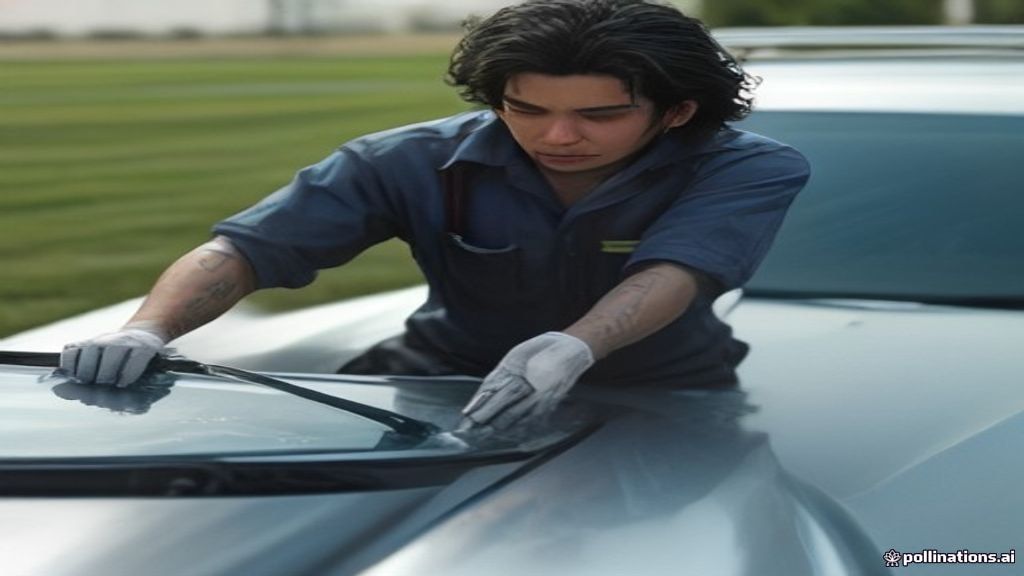
Mobile windshield chip repair yields an average gross revenue of $65 to $110 per single chip repair, with net profit margins consistently holding between 85% and 92% per job. Because consumable resin and curing supplies cost only $2.50 to $5.00 per repair, a solo operator repairing 4 to 6 chips per day typically clears $1,400 to $2,800 in weekly profit working under 30 field hours. Whether billing cash-paying retail clients, setting up B2B fleet retainers, or processing direct insurance claims through Third-Party Administrators (TPAs), this field service represents one of the highest margin-to-overhead businesses in the auto services sector.
Detailed Payout Rates & Earnings Breakdown
Understanding mobile windshield repair profit margins requires breaking down income by client type, job complexity, and consumable overhead. While retail customers pay cash or credit on the spot, insurance claims pay standardized contractual rates through Electronic Data Interchange (EDI) billing systems. Fleet accounts offer slightly lower per-chip rates but deliver high-volume, low-travel-time efficiency.
| Service Tier / Job Type | Average Charge | Consumable & Overhead Cost | Net Profit Margin | Time Spent |
|---|---|---|---|---|
| Single Bullseye / Star Break (Retail Cash) | $75 – $95 | $3.00 – $5.00 | 89% – 93% ($67–$88 net) | 15 – 20 mins |
| Additional Chip (Same Vehicle) | $30 – $45 | $1.50 – $2.50 | 92% – 95% ($27–$42 net) | 10 mins |
| Insurance TPA Claim (Zero-Deductible Comprehensive) | $65 – $85 | $3.00 – $4.50 | 88% – 92% ($57–$78 net) | 15 – 20 mins |
| Long Crack Repair (Up to 12 Inches) | $110 – $160 | $6.00 – $10.00 | 86% – 90% ($94–$144 net) | 30 – 45 mins |
| Commercial Fleet Account (5+ Vehicles per Batch Visit) | $45 – $60 / car | $2.50 / car | 89% – 92% ($40–$53 net) | 12 – 15 mins / car |
| Dealership Pre-Owned Lot Reconditioning (Bulk Contract) | $40 – $55 / chip | $2.00 – $3.00 | 88% – 91% ($36–$50 net) | 10 – 15 mins / car |
The core economic advantage of mobile windshield repair lies in consumable efficiency. A single 15ml bottle of professional acrylic repair resin costs between $40 and $70 and contains enough liquid for 30 to 50 chip repairs. When combined with pit filler resin, curing film strips, and drill bits, your direct variable material cost rarely exceeds $3.50 per injection point.
For insurance repairs in North America, most major carriers cover 100% of the cost without requiring the policyholder to pay a deductible, as repairing a $75 chip prevents a $400 to $1,200 total windshield replacement claim later. TPAs such as Safelite Solutions (SGC Network) and Lynx Services act as clearinghouses, issuing direct payouts via direct deposit within 14 to 30 days of electronic invoice submission.
Step-by-Step Practical Blueprint
Launching a mobile auto glass repair service requires technical precision, proper tooling, and strategic route alignment to maximize your daily hourly rate.
Step 1: Invest in Professional Grade Vacuum/Pressure Equipment
Avoid consumer-grade suction cup kits found at local auto parts stores. Professional field repair relies on stainless steel or heavy-duty composite bridges capable of pulling alternating mechanical vacuums and high-pressure injections. Expect to invest between $800 and $2,200 for a commercial starter kit that includes:
- A dual-action vacuum/pressure injector bridge assembly.
- A high-torque, variable-speed micro-drill with carbide burrs for drilling impact points.
- A portable battery-powered UV curing lamp (365nm wavelength) or solar curing shields.
- Multiple resin viscosities (20 CPS thin resin for tight cracks, 60–100 CPS for warm weather chips, and high-viscosity pit filler).
- A probe set, pit polisher, suction cup lube, and UV protective safety glasses.
Step 2: Obtain Certification and Register with TPA Networks
While licensing requirements vary by state and country, acquiring certification through the National Windshield Repair Division (NWRD) or Auto Glass Safety Council (AGSC) builds immediate credibility. To bill insurance carriers directly, register your business entity (LLC or Sole Proprietorship) with the primary Third-Party Administrators:
- Safelite Solutions (SGC Network): Covers claims for major insurers like Geico, Progressive, and Allstate.
- Lynx Services: Manages claims for State Farm, Liberty Mutual, and regional carriers.
- ACT (Auto Claims Technology): Services smaller commercial fleets and specialized carriers.
Once approved, set up an account with an auto glass electronic billing software (such as Mainstreet Mobile, Omega EDI, or GTS Glass) to submit digital insurance claims in minutes.
Step 3: Secure B2B Accounts to Build Baseline Weekly Revenue
Do not rely entirely on individual retail drivers calling from Google Search. Establish weekly routes by visiting local business managers in person:
- Car Rental Operations: Airport and local rental lots continuously rotate vehicles with fresh highway stone chips. Offer weekly lot sweeps where you identify damaged glass and invoice the fleet manager in bulk.
- Used Car Dealerships: Used car inventory must pass trade-in inspections before hitting the retail lot. Offer a flat per-lot fee to repair all windshields during pre-delivery inspections.
- Local Service Fleets: Plumbing, HVAC, electrical, and parcel delivery routes run high mileage every day. Pitch fleet safety managers on monthly windshield audits.
Step 4: Master Climate and Pressure Adjustment Techniques
Glass expands and contracts significantly based on ambient temperature. During summer heat, high glass surface temperatures will cause resin to thin rapidly or force cracks to spread under mechanical pressure. In winter, cold glass must be gradually warmed using a portable 12V defroster or gentle heat gun before injecting resin. Always cool or warm glass to between 60°F and 80°F (15°C to 26°C) before applying injector pressure.
Hidden Costs, Taxes & Legal Realities
While the mobile windshield repair profit margins look exceptional on paper, operational expenses can reduce net profitability if unmonitored.
- Vehicle Overhead & Fuel Expenses: Driving between dispersed retail clients can drain earnings. Route optimization software is essential to keep vehicle expenses under 10% of gross revenue. IRS standard mileage rates ($0.67/mile for 2024 in the US) or actual vehicle operation tracking should be logged meticulously for tax deductions.
- Commercial Liability Insurance: You need Commercial General Liability paired with Garagekeepers Liability coverage (typically costing $600 to $1,400 annually). This protects your business if an unexpected windshield crack spreads during repair, or if a customer claims vehicle damage occurred while on their property.
- Tax Liabilities (Self-Employment / Income Tax): As a field service operator, payouts from insurance TPAs and cash clients generate 1099-NEC earnings (in the US) or self-employed trading income (in the UK, Canada, and Australia). You are responsible for standard federal, state, and self-employment taxes (15.3% Social Security/Medicare tax in the US). Set aside 25% to 30% of gross net profit into a dedicated tax savings account monthly.
- EDI Processing and Software Subscription Fees: Software for billing insurance TPAs electronically costs between $40 and $100 per month, plus invoice processing fees of $1.00 to $2.50 per submitted claim.
Common Mistakes & Red Flags to Avoid
Avoiding critical technical and administrative errors ensures long-term customer satisfaction and protects your operating margins.
- Working in Direct UV Light: Attempting to perform injector pressure cycles under open sunlight causes the resin to cure inside the injector bridge before it fully fills the break. Always use a UV-blocking hood or shade canopy until resin injection is complete.
- Over-Drilling the Outer Glass Layer: Drilling is intended only to clear crushed glass from the impact point and create a clean channel into the air pocket. Drilling into the internal Polyvinyl Butyral (PVB) middle plastic laminate will permanently cloud the windshield, ruining the repair.
- Promising 100% Invisible Results: Set customer expectations immediately. Explain that chip repair is structural repair designed to prevent spreading, not cosmetic restoration. A successful repair leaves a faint watermark or minor smudge mark (usually 80% to 95% visual clarity improvement).
- Ignoring Contaminated Breaks: Dirt, road salt, rain-x water repellent, and windshield washer fluid trapped inside an old chip block resin bonding. Clean contaminated breaks with a vacuum cycle or specialized drying solvent before injecting main repair resin.
Frequently Asked Questions
Do I need a special license or certification to start a mobile windshield repair business?
In most regions, no specialized state license is mandated specifically for glass repair, though standard local business operating licenses, vendor permits, and insurance general liability policies are required. However, obtaining industry certification (such as NWRD/AGSC certification) helps secure contract approval with insurance TPAs like Safelite Solutions and Lynx Services.
Is windshield chip repair covered 100% by auto insurance without a deductible?
In the vast majority of comprehensive auto policies across North America, insurance companies waive the deductible for windshield repairs because a $75 repair saves them from paying for a full replacement. The customer incurs zero out-of-pocket expense, and the technician bills the insurer directly through TPA billing gateways.
What happens if a windshield cracks further while I am repairing it?
Thermal shock or excessive mechanical injector pressure can cause a stressed chip to run into a full-length crack during service. Standard industry practice dictates that you do not charge the customer or insurer for an unsuccessful repair. You then refer the customer to a trusted local auto glass replacement shop (many of whom will pay you a $20–$40 referral fee for windshield replacement leads).
Final Verdict & Practical Advice
A mobile windshield repair operation represents one of the most accessible, high-yield field service models available today. With low startup equipment costs ($1,000–$2,000) and exceptionally strong 85% to 92% profit margins, a disciplined operator can achieve profitability within weeks.
- Anchor Your Income with B2B Fleets: Do not rely exclusively on retail advertising. Secure 3 to 5 local rental car centers, car dealerships, or commercial fleets to cover your fixed monthly overhead before chasing individual retail work.
- Master TPA Digital Billing Systems: Setting up EDI electronic claims billing allows you to pitch “zero out-of-pocket cost” repairs to retail drivers, dramatically boosting customer conversion rates compared to cash-only operators.
- Optimize Routes to Protect Your Margin: Keep drive times under 20 minutes per retail stop, or schedule mobile service calls in geographic clusters (e.g., zip code days) to minimize fuel costs and maximize billable field hours.


