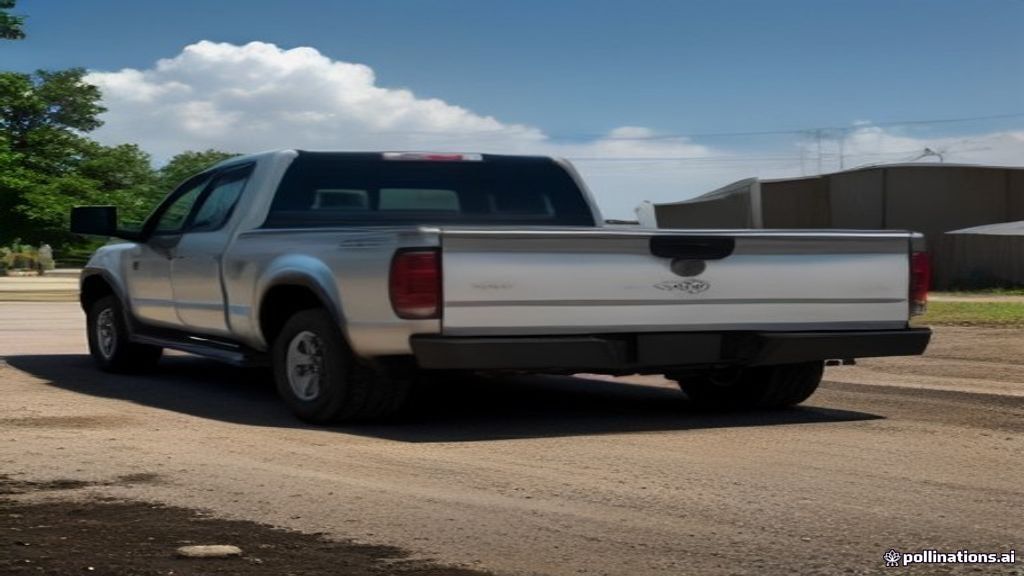
A single-truck junk removal operator averages $8,000 to $18,000 in gross monthly revenue working full-time, while part-time weekend operators running a pickup truck and utility trailer generate $2,000 to $5,000 per month. Average gross profit margins range from 35% to 55% after subtracting municipal dump tipping fees, fuel, vehicle wear, and commercial liability insurance. On a per-job basis, operators earn between $95 for single-item pickups and $550 to $800 for full truckload haul-aways.
Detailed Payout Rates & Earnings Breakdown
Junk removal pricing relies heavily on volume (measured in cubic yards or fraction of a standard 12-foot to 16-foot box truck or dump trailer) rather than pure hourly rates. A standard junk removal box truck holds approximately 12 to 16 cubic yards of volume, equivalent to roughly six pickup truck beds.
Understanding your yield per cubic yard is essential for protecting profit margins against heavy municipal dump fees. Below is a detailed breakdown of realistic job pricing, baseline operational expenses, and net profit expectations across standard job sizes in North America, the UK, and Australia.
| Job Size / Volume Tier | Average Load Space | Gross Customer Charge | Estimated Dump & Fuel Fee | Time Spent (Load + Transit) | Average Net Profit Margin |
|---|---|---|---|---|---|
| Single Item / Minimum Callout | 1 Mattress, Couch, or Appliance | $95 – $135 | $15 – $25 | 45 – 60 Mins | 65% – 75% |
| 1/4 Truckload | ~3 – 4 Cubic Yards | $180 – $240 | $35 – $55 | 1.5 Hours | 50% – 60% |
| 1/2 Truckload | ~6 – 8 Cubic Yards | $320 – $410 | $70 – $105 | 2.0 Hours | 45% – 55% |
| 3/4 Truckload | ~9 – 11 Cubic Yards | $480 – $580 | $110 – $160 | 2.5 – 3.0 Hours | 40% – 50% |
| Full Truckload | 12 – 16 Cubic Yards | $650 – $850 | $150 – $230 | 3.5 – 4.5 Hours | 35% – 48% |
| Hoarder / Estate Cleanout | 2 – 4 Full Truckloads | $1,800 – $3,800 | $450 – $900 | 1 – 2 Days | 40% – 50% |
Step-by-Step Practical Blueprint to Starting & Monitizing
Launching a profitable junk removal operation does not require a $100,000 brand-new franchise setup. By starting lean and targeting high-margin local accounts, you can reach positive cash flow within your first 30 days.
Step 1: Assembly of Low-Cap Equipment Setup
You do not need a brand-new $80,000 dump truck to start. A reliable 1/2-ton or 3/4-ton pickup truck paired with a 10-foot to 14-foot enclosed utility trailer or hydraulic dump trailer provides an ideal balance of low overhead and maximum payload capacity. Ensure you possess essential crew tools: heavy-duty hand trucks (convertible stair-climbers), 4-wheel furniture dollies, ratchet tie-down straps, heavy-duty tarps, dynamic lifting straps (Forearm Forklifts), dynamic puncture-resistant gloves, and basic hand tools for disassembling furniture and bed frames.
Step 2: Establish Disposal Infrastructure & Scrap Routes
Before accepting your first customer call, visit your local solid waste management district, commercial transfer stations, and scrap metal processors. Establish commercial accounts at local landfills to bypass retail vehicle lines and access lower commercial per-ton tipping rates. Map out local scrap recycling drop-offs that pay cash for ferrous and non-ferrous metals (copper wire, aluminum frames, steel appliances). Diverting metal and donor-grade furniture from the landfill directly reduces your dump fees while creating secondary revenue streams.
Step 3: Establish a Strict Math-Based Pricing Matrix
Never give flat quotes over the phone without strict volume limits. Implement a structured matrix based on volume fractions (1/4, 1/2, 3/4, Full) and weight clauses. Heavy dense materials such as concrete, dirt, tile, brick, and plaster (referred to in the industry as “heavy load” or “bedload”) must be priced by weight or partial height rather than volume, as they hit vehicle payload weight limits long before filling the physical bed volume.
Step 4: Execute Hyper-Local B2B & B2C Customer Acquisition
While residential home-cleaning jobs pay quickly, business-to-business (B2B) recurring contracts establish stable baseline income. Build direct partnerships with:
- Property Managers & Landlords: Tenant move-out trash-outs require quick turnaround times and command premium rates.
- Real Estate Agents & Estate Attorneys: Pre-listing estate clear-outs and foreclosure cleanups.
- General Contractors: Light renovation debris removal (drywall, cabinetry, flooring scrap).
- Local Storage Facility Managers: Abandoned storage unit liquidations.
Hidden Costs, Taxes & Legal Realities
Operating a junk removal business comes with strict regulatory burdens and ongoing operational burn rates that significantly affect your actual net take-home income.
- Tipping Fees (Landfill Costs): Disposal costs vary dramatically by geographic region. In the US, landfill tipping fees range from $40 per ton in rural South/Midwest regions to over $120 per ton in the Pacific Northwest and Northeast. In the UK, landfill tax and gate fees frequently exceed £100 per tonne.
- Self-Employment & Business Taxes: As a sole proprietor or single-member LLC, profits are subject to self-employment tax (15.3% in the US for Social Security and Medicare) alongside state and federal income taxes. You must make quarterly estimated tax payments on Schedule C earnings.
- Commercial Auto & Liability Insurance: Standard personal auto policies explicitly exclude commercial hauling activities. Expect to pay $150 to $350 per month for commercial auto insurance, plus $60 to $120 per month for a $1,000,000 General Liability policy, which is mandatory for securing B2B property management clients.
- Environmental Hazmat Restrictions: Landfills levy heavy fines for non-compliant disposal of restricted hazardous waste. Freon-containing appliances (refrigerators, air conditioners) require certified refrigerant recovery or extra environmental surcharge fees ($20-$40 per unit). CRT televisions, auto tires, paint cans, and lithium batteries incur mandatory individual recycling surcharges.
Common Mistakes & Red Flags to Avoid
Failure in this service vertical usually stems from underestimating operational math rather than lack of physical exertion. Avoid these critical mistakes:
- Eyeballing Estimates Without Weight Limits: Quoting a low flat price for a garage full of concrete, tile, or wet roofing shingles will result in losing money at the transfer station scale house. Always cap standard volume tiers at maximum weight thresholds (e.g., maximum 2,000 lbs per full load).
- Failing to Collect Payment Prior to Landfill Unloading: Never drive directly from a residential client’s home to the dump site without collecting payment or securing an authorized credit card hold. If a customer’s payment fails while your truck is sitting at the landfill, you will pay out of pocket to dump their trash.
- Neglecting Vehicle Payload Capacities: Overloading a standard Class 1 or Class 2 truck leads to premature transmission failure, blown suspension leaf springs, shredded brakes, and potential DOT roadside fines for exceeding Gross Vehicle Weight Ratings (GVWR).
- Ignoring Resale & Recycling Offsets: Throwing functional furniture, vintage goods, or valuable scrap metal directly into landfill dumpsters wastes substantial secondary income. Establish a dedicated staging space in your garage or shop to sort items for resale on Facebook Marketplace or drop-offs at local donation centers for tax receipts.
Frequently Asked Questions
How much startup capital do I need to launch a basic junk removal hustle?
If you already own a reliable pickup truck, you can start for under $1,500, covering a basic utility trailer rental or purchase, straps, tarps, hand trucks, basic registration, and your first month of commercial general liability insurance. If purchasing a used dump trailer and tow vehicle from scratch, initial startup capital ranges from $8,000 to $18,000.
How do junk removal companies charge for extremely heavy materials?
Heavy dense materials (dirt, concrete, gravel, brick, wet tile) are billed on a “bedload” scale. Because of safety and legal trailer payload weight limits, heavy material is restricted to filling the truck bed only 1 to 2 feet high. A full bedload of concrete (typically restricted to 2 to 4 cubic yards maximum) is priced equivalent to a full truckload of standard household clutter ($500–$750) to offset extreme landfill weight fees.
Do I need special licenses or permits to haul junk legally?
Requirements depend on local and state/provincial laws. At minimum, you need a standard business license, commercial auto insurance, and general liability coverage. Certain states and local waste management districts require a Solid Waste Transporter Permit or Waste Hauler Registration badge displayed on the vehicle, along with specific permits for handling electronic waste (e-waste) or appliances containing refrigerants.
Final Verdict & Practical Advice
Building a profitable enterprise in junk hauling comes down to strict cost control, precise volumetric quoting, and strong referral networks:
- Protect Your Margins at the Transfer Scale: Always know your precise operational baseline cost per cubic yard and per ton. If a job involves wet, heavy materials, adjust your quote upward immediately to protect your bottom line against unexpected landfill fees.
- Monetize the “Trash” Twice: Maximize profitability per haul by separating functional items for local online resale and sorting non-ferrous metals (copper, brass, aluminum) for scrap metal yard drop-offs. Resale income often covers your entire fuel and disposal bill for the week.
- Focus Heavy Effort on Recurring B2B Relationships: While one-off residential garage cleanouts supply immediate cash flow, establishing contracts with regional real estate agents, property managers, and renovation contractors guarantees consistent multi-load work throughout the year.


