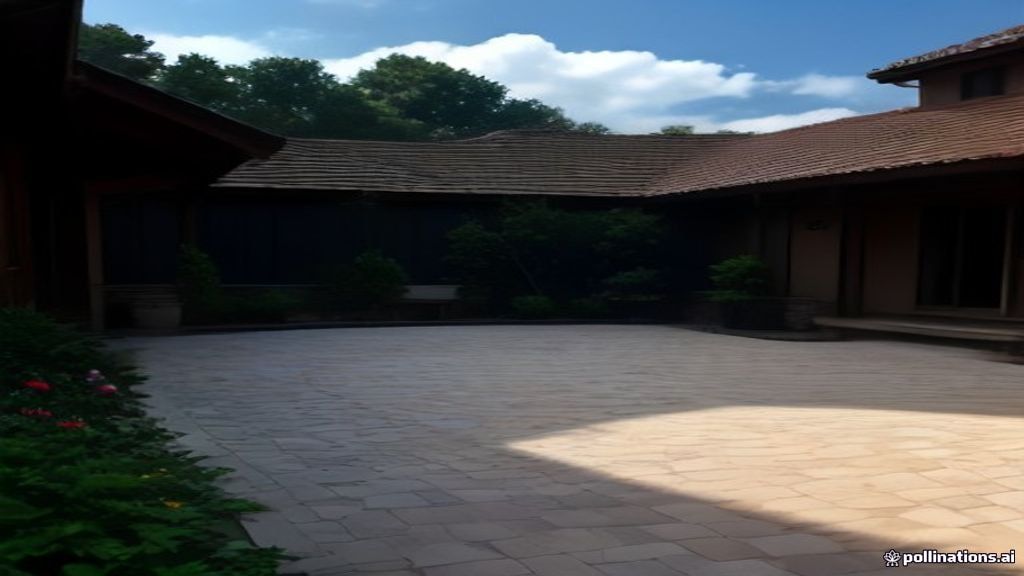
In the specialty field service industry, professional paver sealing commands an average market price of $1.50 to $2.75 per square foot for complete surface restoration, which includes deep pressure washing, joint re-sanding, and chemical sealer application. Solo field operators and small contracting teams achieve impressive gross profit margins of 70% to 82%, earning between $600 and $1,200 per day in net personal profit after factoring in liquid materials, sand, fuel, and equipment wear. On average, a standard residential patio or driveway contract yields a total invoice of $1,200 to $2,800 for 1.5 days of localized labor.
Detailed Payout Rates & Earnings Breakdown
Pricing in the paver sealing industry is primarily driven by square footage, paver porosity, joint condition, and the chemical composition of the chosen sealant (water-based acrylic vs. solvent-based polyurethane). Standard field service pricing requires separating surface preparation from liquid chemical application to ensure accurate gross margin targeting.
| Project Scope / Job Type | Avg. Surface Area | Billable Rate per Sq. Ft. | Average Total Invoice | Material & Direct Overhead | Net Profit Margin | Labor Hours Spent |
|---|---|---|---|---|---|---|
| Small Residential Patio | 300 – 500 sq. ft. | $2.25 – $3.00 | $900 – $1,250 | $180 – $240 | 78% – 82% | 4 – 6 hours |
| Standard Driveway & Walkway | 800 – 1,200 sq. ft. | $1.75 – $2.25 | $1,600 – $2,500 | $350 – $500 | 75% – 80% | 8 – 10 hours |
| Large Pool Deck & Lanai | 1,500 – 2,500 sq. ft. | $1.50 – $2.00 | $2,650 – $4,500 | $650 – $1,000 | 73% – 77% | 12 – 16 hours |
| Commercial Plaza / HOA Area | 5,000+ sq. ft. | $1.10 – $1.45 | $6,000 – $11,000 | $1,600 – $2,800 | 68% – 73% | 24 – 36 hours |
The variable direct costs involved in paver sealing breaks down into three key inputs: Joint stabilizer sand ($8–$14 per 50lb bag), liquid sealer sealant ($120–$240 per 5-gallon pail, yielding 750–1,000 sq. ft. per pail depending on dilution and absorption), and chemical strip/wash detergents ($35 per gallon concentrate). Because material consumption is strictly proportional to surface area, scalable profit increases rapidly with crew efficiency and volume execution.
Step-by-Step Practical Blueprint: Launching & Executing High-Margin Contracts
Step 1: On-Site Diagnostic & Square Footage Estimation
Never quote a paver sealing job solely over the phone or via satellite imagery without verifying slope, existing film coatings, efflorescence (white salt deposits), and drainage patterns. Measure the total perimeter using a rolling measuring wheel. Calculate net square footage and inspect the joints: if old, hardened polymeric sand or acrylic haze is present, you must add a chemical stripping charge of $1.00 to $1.50 per square foot on top of your standard application rate.
Step 2: Surface Preparation & Deep Pressure Washing
Execution begins with a high-flow commercial pressure washer (minimum 4.0 GPM to 8.0 GPM at 3,000 PSI) paired with a surface cleaner attachment. Thoroughly clean organic staining, oil spots, and weed roots out of the joints down to a depth of roughly 1 inch. Allow the surface to dry completely. Applying sealant over trapped moisture in concrete pavers creates blushing (a permanent cloudy, white film) that costs thousands to strip and remediate.
Step 3: Joint Sand Replenishment & Compaction
Sweep kiln-dried ASTM C144 silica sand or high-grade polymeric joint sand into the open joints once the pavers are thoroughly dry. Use a commercial plate compactor equipped with a rubber protective pad to vibrate the sand deep into the joints, locking the pavers interlock structure. Sweep off all excess surface sand before applying sealants to prevent sand particles from locking permanently onto the paver face under the sealer layer.
Step 4: Chemical Application & Curing Oversight
Apply commercial-grade penetrating hydro-phobic silane-siloxane or breathable water-based acrylic sealer using a chemical-resistant airless sprayer or battery-powered low-pressure sprayer, back-rolling with a 3/4-inch nap roller to ensure even distribution and prevent puddling. Apply two thin, uniform coats wet-on-wet or according to manufacturer flash times. Enforce a mandatory 24-hour foot-traffic ban and a 48-hour vehicle traffic ban on the client’s contract.
Hidden Costs, Taxes & Legal Realities
While gross margins in field sealing services appear exceptionally lucrative, owner-operators must budget for critical operational friction and overhead obligations:
- Self-Employment & Business Income Taxes: As an independent contractor or LLC owner filing via IRS Schedule C, you are subject to the 15.3% Federal Self-Employment Tax (Social Security/Medicare) in addition to federal, state, and local income taxes. Set aside a strict 25% to 30% of net operational income in a dedicated tax reserve account.
- Commercial Liability & Chemical Off-Gas Coverage: Standard general liability coverage often excludes overspray damage to client landscaping, personal vehicles, or neighboring structures. Ensure your policy includes a specific endorsement for field surface treatment and chemical application, typically costing $1,200 to $2,200 annually.
- Equipment Wear & Amortization: High-pressure pumps, unloader valves, pressure hoses, spray nozzles, and seals suffer heavy wear due to harsh chemicals and constant friction. Allocate $100 to $200 per month into an equipment maintenance and replacement fund.
- Environmental & Runoff Compliance: Local Municipal Separate Storm Sewer System (MS4) regulations in many states prohibit dirty wash water and chemical runoff from entering storm drains. Utilizing wash-water containment berms or eco-friendly biodegradable cleaners is legally required in coastal and urban markets.
Common Mistakes & Red Flags to Avoid
Avoiding severe chemical and mechanical operational blunders protects your profit margins from being wiped out by warranty calls and property damage claims:
- Sealing Damp Pavers (Trapping Moisture): Applying solvent-based sealers over pavers that hold internal moisture causes water vapor to get trapped under the cured resin layer. This results in severe whitening (“blushing”). Remediation requires costly solvent bath stripping and re-washing.
- Ignoring Existing Polymeric Sand Haze: If sand haze is not fully washed off prior to sealer application, the sealer will permanently lock the white dust haze into the face of the brick, requiring aggressive acid etching or diamond pad restoration.
- Overspraying Non-Target Surfaces: Failing to tape off sliding glass doors, pool screen enclosures, vinyl siding, and garage doors leads to severe permanent resin spotting. Always shield surrounding structures with poly sheeting.
- Underpricing Materials on Highly Porous Pavers: Old, unsealed, dry-cast concrete pavers absorb up to twice as much liquid sealer per square foot compared to high-density wet-cast stone. Factor paver age and porosity into your material multiplier to avoid thin margins.
Frequently Asked Questions
How long does a standard residential paver sealing job take from start to finish?
A standard 1,000-square-foot driveway or back patio typically takes 1.5 working days. Day 1 consists of deep cleaning, surface stripping (if needed), and joint flushing (approx. 4 to 5 hours). Day 2 involves sand sweeping, plate compaction, spray application of two sealer coats, and final site cleanup (approx. 3 to 4 hours).
What is the difference between water-based and solvent-based sealers regarding margins and durability?
Water-based acrylic sealers are breathable, low-VOC, easier to clean up, and carry lower risk of moisture entrapment, making them ideal for high-humidity regions. Solvent-based sealers offer a darker, deeper “wet look” enhancement and higher chemical durability, but carry higher material costs, severe fumes, and require solvent clean-up. Water-based options deliver slightly higher overall net profit margins due to faster application speeds and reduced equipment wear.
Do I need a specialized contractor license to offer paver sealing services?
Licensing requirements vary widely by jurisdiction. Many states allow paver sealing under a standard, non-licensed handyman or general pressure cleaning business license. However, states like Florida and California may require a specialty commercial coating or hardscape contractor license if contract values exceed statutory limits (e.g., $500+). Always verify your state and municipal licensing rules before taking customer deposits.
Final Verdict & Practical Advice
- Establish a Strict Job Minimum: To protect profitability on small jobs, set a minimum trip charge of $450 to $600 regardless of how small the square footage is (e.g., a 150-sq-ft entryway).
- Sell Maintenance Subscriptions: Paver sealers naturally degrade due to UV exposure and foot traffic every 2 to 3 years. Offer clients a recurring soft-wash and annual tune-up package at $250/year to lock in predictable, high-margin year-round income.
- Maintain a Separate Moisture Meter: Invest $40 to $80 in a quality digital pinless moisture meter. Never apply sealer until internal paver moisture levels drop consistently below 12% to 15%, completely eliminating costly moisture-blushing callbacks.


