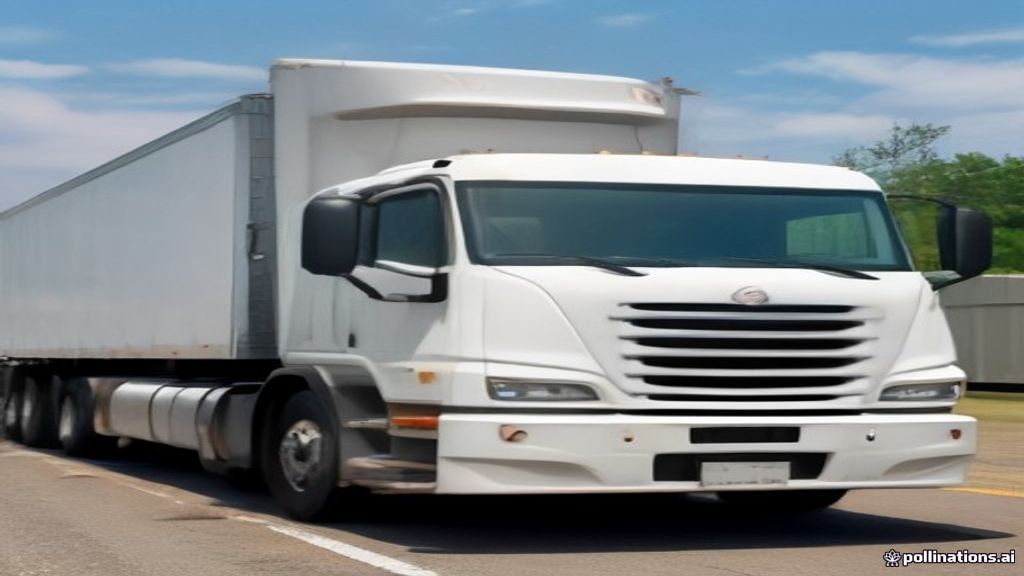
Commercial mobile fleet washing yields an average gross revenue of $80 to $160 per hour, with per-unit rates ranging from $8 to $18 per sprinter van/box truck and $18 to $45 per Class 8 tractor-trailer combo. Operating on recurring B2B weekly or bi-weekly contracts, single-operator rigs maintain net profit margins between 45% and 65% after accounting for fuel, chemical consumables, and insurance. Achieving these rates requires proper dual-gun pressure setups and strict compliance with EPA wastewater reclamation guidelines.
Detailed Payout Rates & Earnings Breakdown
Fleet washing pricing is governed by three primary metrics: vehicle size, wash frequency, and direct access to on-site water sources. Commercial clients expect standardized line-item pricing based on flat unit rates rather than pure hourly billing. However, contractors reverse-engineer their unit pricing to hit a target threshold of $100+ per technician-hour on site.
Below is a realistic operational payout breakdown for commercial mobile fleet washing across standard vehicle classes in the US, UK, Canada, and Australia:
| Fleet Vehicle Category | Average Rate Per Unit | Standard Time Per Unit | Estimated Revenue / Hour | Target Contract Frequency |
|---|---|---|---|---|
| Sprinter / Cargo Vans | $8 – $14 | 5 – 7 mins | $80 – $120 | Weekly / Bi-Weekly |
| Medium-Duty Box Trucks (16′-26′) | $12 – $22 | 8 – 12 mins | $90 – $135 | Bi-Weekly |
| Class 8 Semi-Tractors (Cab Only) | $15 – $28 | 10 – 15 mins | $90 – $140 | Weekly |
| 53ft Dry Van / Refrigerated Trailers | $18 – $35 | 12 – 18 mins | $90 – $150 | Bi-Weekly / Monthly |
| Full Tractor-Trailer Combinations | $30 – $55 | 20 – 25 mins | $100 – $160 | Bi-Weekly |
| Trailer Interior Washouts (Sanitize) | $40 – $75 | 15 – 20 mins | $120 – $180 | On-Demand / Per Trip |
Pricing dynamic shifts based on volume: fleet managers overseeing 50+ units will demand a 10% to 20% bulk discount per unit, but the density of vehicles in a single yard drastically reduces setup and teardown time, elevating effective hourly yields above $150 per hour.
Step-by-Step Practical Blueprint
Scaling a mobile fleet washing route requires transitioning from residential power washing setups to heavy-duty, high-flow commercial equipment capable of rapid two-step acid/alkaline cleaning techniques.
Step 1: Assemble an EPA-Compliant Mobile Rig
Standard home-improvement power washers (2.5 GPM) are unviable for commercial fleets. You need a hot-water pressure washer delivering at least 5.5 to 8.0 Gallons Per Minute (GPM) at 3,000 PSI. Flow rate (GPM) cleans vehicles faster than raw pressure (PSI). Your rig must include:
- A 300 to 525-gallon buffer tank to supply water when on-site spigots are low-volume or unavailable.
- A dual-step chemical injection system (hydrofluoric or citric acid brighteners paired with neutralizer soaps).
- A water reclamation berm, vacuum wash-mat, and filtration system to collect runoff water before it reaches storm drains.
Step 2: Map Out Local Logistics Hubs and Industrial Parks
Target companies with localized distribution models that park their vehicles overnight or over weekends. The most lucrative prospects include:
- Last-mile delivery partners (Amazon DSPs, FedEx Ground contractors).
- Beverage and food distributor fleets (bread, beer, soft drink delivery trucks).
- Municipal utilities, waste management firms, and regional freight carriers.
Step 3: Perform Free On-Site Demos and Secure Master Service Agreements
Cold calling fleet managers rarely works without visual proof. Request a 10-minute meeting on-site to wash two dirty trucks for free—one using standard soap and one using your two-step chemical process. When fleet directors see road film, diesel soot, and salt deposits dissolve without manual brushing, conversion rates skyrocket. Draft a formal Master Service Agreement (MSA) detailing pricing, wash frequency, water access, and net-30 payment terms.
Hidden Costs, Taxes & Legal Realities
While the top-line revenue in commercial washing is high, overhead and regulatory compliance eat into gross margins if not properly structured.
- Environmental Protection Agency (EPA) Clean Water Act Compliance: Under federal law in the US (and equivalent environmental acts in the UK, Canada, and Australia), wash water containing oil, heavy metals, and chemical detergents cannot enter public storm drains. Violations carry fines starting at $10,000 to $25,000 per day. Operators must use wash mats, drain plugs, and vacuum recovery pumps to redirect wash water into sanitary sewers (with a permit) or recycle it onboard.
- Commercial Liability & Garagekeepers Insurance: Standard general liability will not cover accidental damage to expensive vehicle electronics, air intakes, or custom wraps. You need specialized Commercial Auto and Garagekeepers Liability insurance ($2,000,000 aggregate policy), costing between $150 and $350 per month depending on location and fleet size.
- Tax Structures & Chemical Consumables: Operating as an LLC or Sole Proprietor requires paying self-employment tax (15.3% in the US on Schedule C profit). Chemical supplies (citric brighteners, degreasers, road-film removers) average 8% to 12% of total contract value, while diesel fuel for burners and trucks consumes another 7% to 10%.
Common Mistakes & Red Flags to Avoid
Many new operators enter the commercial fleet market using residential techniques, leading to damaged equipment, lost contracts, or bankruptcy. Avoid these critical errors:
- Relying Exclusively on Manual Brushing: Hand-brushing a 53-foot trailer takes 45 minutes and drains profit margins. Professional fleet washers use the Two-Step Wash Method—applying an acidic low-pH detergent followed immediately by an alkaline high-pH soap. The chemical reaction breaks the static bond of road film, allowing a high-pressure rinse to strip grime clean without touching the surface.
- Neglecting Winter Water Freeze Management: In cold regions, washing trucks in sub-freezing temperatures creates ice hazards on fleet yards and freezes pressure washer pumps. Operating without hot water burners or failing to spread salt/ice-melt on customer property creates massive slip-and-fall liability.
- Accepting Uncapped Net-90 Payment Terms: Large corporate logistics chains frequently push payment terms out to 60 or 90 days. As a service contractor paying out fuel and chemical expenses weekly, holding receivables for 90 days creates cash flow crises. Insist on Net-15 or Net-30 terms with auto-pay penalties for late disbursements.
Frequently Asked Questions
How much water does it take to wash one semi-truck?
Using a high-efficiency 5.5 GPM hot-water pressure washing system, an experienced operator uses approximately 30 to 50 gallons of water per tractor-trailer combination. Utilizing two-step chemical application reduces actual rinsing time, drastically cutting down total water consumption compared to standard washing.
Do I need an on-site water connection at the customer’s fleet yard?
While having access to a customer’s spigot is ideal for continuous refilling, high-volume operators transport 300+ gallons of water on their trailer or flatbed truck. This allows total mobile independence to service remote staging yards or staging locations where water hookups do not exist.
Is a commercial driver’s license (CDL) required to run a fleet wash business?
A CDL is generally not required if your gross vehicle weight rating (GVWR) for your truck and washing trailer combined stays under 26,000 lbs (11,793 kg). Standard Class C driver’s licenses cover most 3/4-ton pickup trucks pulling single or dual-axle pressure washing trailers.
Final Verdict & Practical Advice
Mobile fleet washing represents one of the most stable, recurring B2B field services in commercial maintenance. Unlike residential power washing, which is highly seasonal and relies on continuous customer acquisition, fleet washing builds predictable monthly recurring revenue (MRR) through long-term commercial contracts.
To launch successfully, prioritize an high-GPM hot water machine, secure strict EPA water-reclamation equipment, and focus your marketing entirely on cold, in-person demonstrations for logistics managers. Winning just three medium-sized fleet accounts (30 vehicles each on bi-weekly rotations) can secure an immediate, predictable income stream of $3,500 to $5,000 per month in part-time operational hours.


