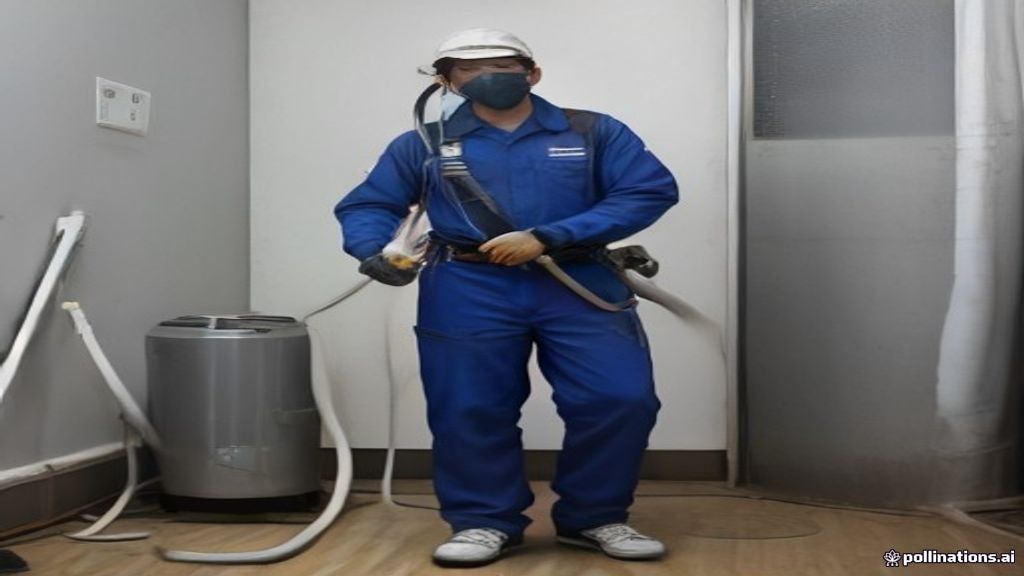
Independent air duct cleaning operators and solo technicians average between $450 and $1,200 per job, generating a monthly gross revenue of $8,000 to $18,000 for a single-van setup. Net profit margins typically range from 45% to 65% after accounting for fuel, HEPA filter maintenance, chemical sanitizers, marketing, and commercial auto liability insurance. On an hourly basis, experienced technicians realize effective earnings of $65 to $150 per hour when combining core duct vacuuming with high-margin add-ons like dryer vent cleaning, coil washing, and antimicrobial air fogging.
Detailed Payout Rates & Earnings Breakdown
Earnings in the air duct cleaning industry vary significantly based on whether you operate as an independent business owner, a franchise owner, or a sub-contractor for HVAC firms. Pricing is generally calculated using two methods: a flat fee per HVAC system (including a baseline count of supply and return vents) or a per-vent fee structure (typically $25 to $45 per register plus a base hookup charge).
The table below provides a realistic revenue and net margin breakdown across primary service categories in the residential and light commercial field service sector:
| Service Tier / Job Scope | Average Ticket Price | Estimated Job Time | Direct Expenses (Fuel, Consumables) | Net Profit Margin (%) |
|---|---|---|---|---|
| Standard Residential Single System (Up to 10 Vents) | $350 – $550 | 2.0 – 2.5 Hours | $35 – $55 | 55% – 65% |
| Large Residential Dual-System + Dryer Vent Combo | $650 – $1,100 | 3.5 – 4.5 Hours | $60 – $90 | 50% – 60% |
| Whole-House Mold & Antimicrobial Fogging Upgrade | $900 – $1,800 | 4.0 – 5.5 Hours | $120 – $220 | 45% – 55% |
| Light Commercial Office / Retail (Up to 3,000 Sq. Ft.) | $1,500 – $3,500 | 6.0 – 8.0 Hours | $180 – $350 | 50% – 60% |
| Sub-Contracted Route Work (HVAC Lead Referrals) | $250 – $400 | 1.5 – 2.0 Hours | $30 – $45 | 40% – 50% |
In residential markets, single-van operators completing two average-sized residential homes per day can achieve daily gross sales of $900 to $1,400. Assuming a 5-day workweek with 10 completed jobs, weekly gross revenues regularly exceed $4,500 before fuel, equipment depreciation, and acquisition costs are deducted.
Step-by-Step Practical Blueprint to Launch and Scale
Step 1: Invest in the Right Vacuum & Agitation Equipment
To deliver true indoor air quality improvements and command premium rates, you must avoid consumer-grade shop vacuums. You need high-CFM (cubic feet per minute) negative air machines and mechanical agitation tools:
- Negative Air Pressure Vacuum: A portable HEPA-filtered vacuum pulling at least 2,500 to 5,000 CFM, or a PTO (power take-off) truck-mounted unit capable of 10,000+ CFM.
- Agitation Equipment: Rotary brush systems, flexible shaft drives, and pneumatic air whips (driven by an air compressor operating at 175 PSI and 15+ CFM) to dislodge caked-on debris inside sheet metal and flexible ducting.
- Inspection Tools: Boroscope inspection cameras with LED head units to document “before and after” conditions for the homeowner—your single most powerful tool for closing upsells.
Step 2: Obtain Certifications and Regulatory Compliance
While the air duct cleaning sector does not require a federal license in many jurisdictions, standing out against low-quality “blow-and-go” scammers requires recognized industry credentials:
- NADCA Certification: Attain the Air Systems Cleaning Specialist (ASCS) certification through the National Air Duct Cleaners Association. This certification validates that your work meets the ACR (Assessment, Cleaning, and Restoration) Standard.
- EPA Section 608 Certification: If your air duct cleaning service expands into cleaning evaporator coils where refrigerant handling might occur, an EPA Universal or Type II license is mandatory.
- State Licensing: Certain states (such as Florida, Texas, and California) require an active HVAC contractor license or specialty cleaning license if you remove blower motors or access internal furnace cabinets.
Step 3: Establish a Transparent Pricing Architecture
Avoid the notorious “$49 whole-house” bait-and-switch advertising models that ruin industry trust. Build a transparent pricing model that reassures customers and guarantees high job tickets:
- Base System Fee: Charge a baseline fee ($250 – $350) that covers hooking up the negative air collector to the main trunk lines and cleaning up to 8–10 supply registers.
- Per-Vent Add-On Fee: Charge $25 to $35 for every additional register beyond the base allowance, plus $45 to $65 for main return vents.
- Component Flat Rates: Offer menu pricing for cleaning furnace blower wheels ($120 – $200), evaporator coils ($150 – $350), and J-channel drip pans ($75).
Step 4: Master the In-Home Upsell Workflow
The difference between a $400 job and an $850 job is effective, non-pushy service bundling once the negative air collector is attached:
- Dryer Vent Cleaning: Add $99 to $175 for a standard dryer vent flush while your compressor is already running on site.
- Antimicrobial Duct Sanitization: Offer an EPA-registered Botanical Disinfectant fogging treatment (e.g., Benefect Decon 30) for $125 to $250 per HVAC system to eliminate lingering mold spores or odor-causing bacteria.
- Electrostatic Air Filters: Stock high-efficiency washable filters or MERV 11–13 replacements in your service van, selling them at a 100% markup over wholesale cost.
Hidden Costs, Taxes & Legal Realities
While gross margins appear high, operating a mobile air duct cleaning service involves specific structural overhead that must be factored into your financial planning:
- Consumables and Filter Replacements: HEPA primary filters for commercial negative air machines cost between $150 and $350 each and must be replaced every 6 to 12 months. Pre-filters (pleated and spun glass) must be changed every 3 to 5 jobs, costing roughly $5 to $15 per job.
- Equipment Depreciation & Maintenance: Compressors, gasoline engine vacuum drives, and high-pressure hoses require regular oil changes, belt replacements, and seal servicing. Set aside 5% to 8% of gross revenue into an equipment replacement reserve fund.
- Self-Employment Tax Realities: Operating as a sole proprietorship or single-member LLC subjects your net earnings to the 15.3% Federal Self-Employment Tax (Schedule C) alongside state and federal income taxes. Allocate approximately 25% to 30% of net profits into a separate tax account to satisfy quarterly estimated tax payments (IRS Form 1040-ES).
- Commercial Liability & Vehicle Insurance: General liability insurance policies carrying $1,000,000 to $2,000,000 in coverage (covering potential property damage such as stepped-through ceiling drywall or torn flexible ductwork) run $1,200 to $2,800 annually. Commercial auto insurance for high-cube vans typically adds $180 to $350 monthly.
Common Mistakes & Red Flags to Avoid
- Using Aggressive Whip Tools in Flexible Ductwork: Flex ducts (wire-reinforced plastic sleeves) are easily torn by heavy pneumatic whips or aggressive stiff-nylon rotary brushes. Tearing flex ducting inside an attic or crawlspace results in immediate property damage, costly attic remediation, and complete loss of system static pressure.
- Neglecting Negative Pressure Containment: Aggitating dust without creating sufficient negative pressure (pulling air toward the HEPA vacuum) will push millions of dust particles, dander, and fungal spores out of registers and into the living area, creating severe liability and customer disputes.
- Falling into Price-Matching Traps: Never attempt to match telemarketing firms offering $49 or $79 “whole house cleaning.” These companies rely on deceptive upsells and substandard work. Market your business on NADCA compliance, before-and-after video proof, and indoor air quality performance.
- Failing to Inspect Heat Exchangers First: Always inspect furnace heat exchangers for cracks before cleaning. If you clean a cracked heat exchanger without documenting pre-existing damage, you risk being blamed for deadly carbon monoxide leaks.
Frequently Asked Questions
How many duct cleaning jobs can a single technician complete per day?
A single technician using professional high-CFM equipment can comfortably complete 2 residential jobs per day (taking 2.5 to 3.5 hours per job, including setup, teardown, and sanitization). Pushing to 3 jobs per day is achievable with a dedicated two-person crew or by tightly clustering job routes within a narrow geographic radius.
What is the minimum startup cost for a professional air duct cleaning setup?
Entry-level professional setups using high-end portable negative air machines, an 8-13 HP gas compressor, rotary brushes, air whips, inspection cameras, and initial safety gear cost between $8,000 and $18,000. Fully integrated truck-mounted vacuum systems or fully outfitting a enclosed cargo trailer push initial capital costs to $35,000 to $75,000+.
Do I need an HVAC license to offer air duct cleaning services?
It depends entirely on your state and local jurisdiction. Many states allow non-licensed operators to clean ductwork as long as they do not dismantle electrical HVAC components, alter copper refrigerant lines, or service furnace burners. However, states like Texas and California require appropriate HVAC contractor licensing (or working under a licensed contractor’s umbrella) to touch central HVAC equipment.
Final Verdict & Practical Advice
Air duct cleaning remains one of the highest-margin, lowest-overhead local field service businesses available today. Because the industry suffers from a reputation tainted by low-budget “scraper” operators, independent technicians who present a polished image, utilize certified negative-air containment equipment, and provide clear visual documentation can capture premium market rates immediately.
Focus on establishing strong referral relationships with local residential real estate agents, home inspectors, restoration contractors, and local HVAC service companies who prefer to outsource duct cleaning. By combining core vent vacuuming with simple, high-value add-ons like dryer vent flushes and antimicrobial air fogging, you can easily maintain an average ticket price above $600 while maintaining gross profit margins near 60%.


