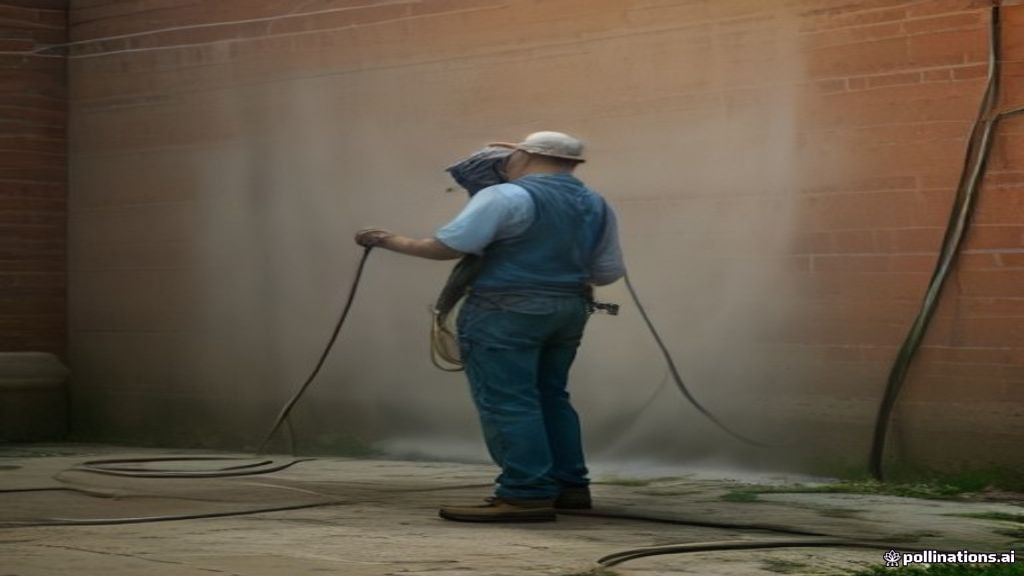
Starting a mobile graffiti removal service yields an average rate of $2.50 to $7.50 per square foot, or flat service call minimums ranging from $150 to $350 per job. Solo operators running a single hot-water pressure rig and specialized chemical kit regularly generate $6,000 to $14,000 per month in gross revenue, maintaining net profit margins between 55% and 75%. Rapid turnaround expectations and commercial property management retainers make this one of the highest-margin field services in the local maintenance sector.
Detailed Payout Rates & Earnings Breakdown
Your earning potential in graffiti removal depends heavily on the surface substrate, removal method, and whether the client is a one-off residential owner, a commercial property manager, or a municipality. Below is a realistic breakdown of industry rates, time commitments, and profit margins across common removal scenarios.
| Service Type / Substrate | Pricing Model | Estimated Payout | Average Time | Net Profit Margin |
|---|---|---|---|---|
| Standard Masonry (Bare Brick/Concrete) | Per Sq. Ft. or Flat Minimum | $3.00 – $6.50 / sq ft ($175 min) | 45 – 90 mins | 65% – 75% |
| Painted Surfaces (Color-Match Overlay) | Flat Rate per Tag | $150 – $275 per location | 30 – 60 mins | 70% – 80% |
| Sensitive Historic Stone / Sandstone | Hourly Rate + Materials | $125 – $225 / hour | 2 – 4 hours | 50% – 60% |
| Metal / Utility Box / Traffic Signage | Flat Rate Minimum | $125 – $200 per unit | 20 – 45 mins | 75% – 85% |
| Commercial Retainer (Monthly Contract) | Recurring Flat Monthly Fee | $800 – $3,000 / property | 4 – 10 hours / mo | 70% – 80% |
Step-by-Step Practical Blueprint to Start Earning
Launching a successful mobile graffiti removal business requires technical knowledge of chemistry and surface tension, alongside targeted business-to-business (B2B) outreach. Follow these practical steps to secure your first paying contracts.
Step 1: Assemble the Core Removal Equipment
Unlike basic power washing, effective professional graffiti removal requires heat and chemical control to prevent permanent surface ghosting. Invest in a hot-water pressure washer rated at minimum 3,500 PSI and 4.0 GPM (Gallons Per Minute). You will also need eco-friendly chemical strippers (potassium hydroxide or benzyl alcohol-based), brush applicators, personal protective equipment (PPE), and a portable water recovery system to meet environmental compliance laws.
Step 2: Master Substrate Identification and Chemistry
Using the wrong chemical or excessive pressure will destroy substrates and ruin your local reputation. You must know how to treat sensitive surfaces:
- Unpainted Brick & Mortar: Requires solvent-based paint softeners followed by hot-water rinsing at 180°F–200°F.
- Painted Drywall or Wood: Requires targeted chemical stripping or precise color-match blocking paint to preserve the original coating.
- Glass & Metal: Requires citrus-based bio-solvents or non-scratch plastic scraper blades to protect original factory finishes.
Step 3: Target Commercial Property Managers & HOAs
Do not waste advertising budget targeting low-ticket single-family homeowners. Reach out directly to commercial property management companies, strip mall owners, real estate developers, homeowner associations (HOAs), and local Business Improvement Districts (BIDs). Offer a guaranteed 24-hour response window, as property owners face municipal fines if tags are left untouched for more than 48 hours.
Step 4: Establish Recurring Maintenance Retainers
Convert one-off emergency calls into recurring passive income. Charge commercial property owners a monthly fee (e.g., $500 to $1,500 per shopping center) that covers unlimited graffiti abatement up to a specified total square footage per month. Properties in high-density corridors generate predictable revenue while giving owners complete peace of mind.
Hidden Costs, Taxes & Legal Realities
While gross margins are high, field service operators face specific regulatory and operational expenses that impact net income:
- Clean Water Act Regulations: The U.S. Environmental Protection Agency (EPA) strictly prohibits hazardous chemical wash water from entering storm drains. Violations can result in municipal fines exceeding $10,000 per incident. You must budget $1,500 to $4,000 for a vacuum water recovery berm and filter system.
- Insurance & Liability: General liability insurance with a minimum $1,000,000 policy ceiling is required by commercial clients. Expect to pay between $90 and $180 per month. If applying chemicals, ensure your policy covers chemical drift and environmental damage claims.
- Self-Employment Taxes: Operating as an independent contractor or single-member LLC means you are responsible for Federal 1099-NEC self-employment taxes (15.3% for Social Security and Medicare) plus state income taxes. Set aside 25%–30% of net profits into a separate tax account monthly.
Common Mistakes & Red Flags to Avoid
Rushing onto a site without testing or preparation can cause permanent property damage that wipes out your profits. Watch out for these critical mistakes:
- Etching Brick and Mortar: Using zero-degree pressure nozzles or excessive PSI on old brick will blast away the protective hard exterior glaze, permanently eroding the substrate and creating costly contractor liabilities.
- Leaving “Shadows” or Ghosting: Removing the top layer of pigment while leaving binder stains inside porous stone creates unsightly “ghost” outlines. Always use appropriate ghost-remover solutions to completely lift embedded pigment.
- Underbidding Multi-Story Work: Attempting to clean graffiti located high on building facades without accounting for lift rentals (boom lifts or scissor lifts) will instantly turn a profitable job into a financial loss. Scissor lifts add $250–$500 per day to direct operating costs.
Frequently Asked Questions
How much capital is needed to start a mobile graffiti removal service?
A basic startup budget ranges between $3,500 and $9,000. This covers a reliable hot-water pressure washer (used or entry-level commercial), basic trailer setup, water capture equipment, safety gear, initial chemical inventory, and business insurance registration.
Can you clean graffiti using cold water pressure washers?
Cold water can work on non-porous smooth metals or when combined with harsh, aggressive solvents. However, hot water (180°F+) is mandatory for efficient removal on porous brick, stone, and concrete. Hot water breaks down the paint binder rapidly, drastically cutting chemical usage and working time by half.
How do you handle graffiti on painted surfaces without ruining the wall?
On painted surfaces, heavy chemical stripping usually removes both the graffiti and the base paint. The standard industry solution is color-matching: clean the surface dirt, apply a high-hiding primer sealer over the spray paint to prevent bleed-through, and paint over the tag with an exact match of the building’s exterior latex color.
Final Verdict & Practical Advice
Mobile graffiti removal is a high-demand, low-competition niche within the field services industry. To maximize your profitability immediately, keep these three final principles in mind:
- Focus on Speed of Response: Commercial clients value fast, reliable turnaround times above all else. Offering a guaranteed 24-hour response window lets you charge premium emergency rates.
- Package Service Retainers: Build financial stability by selling monthly maintenance plans to strip malls and HOAs rather than relying solely on unpredictable emergency calls.
- Invest in Hot Water & Chemistry: Let heat and specialized bio-solvents do the hard work. Relying solely on physical pressure leads to surface damage, high labor times, and unhappy clients.


