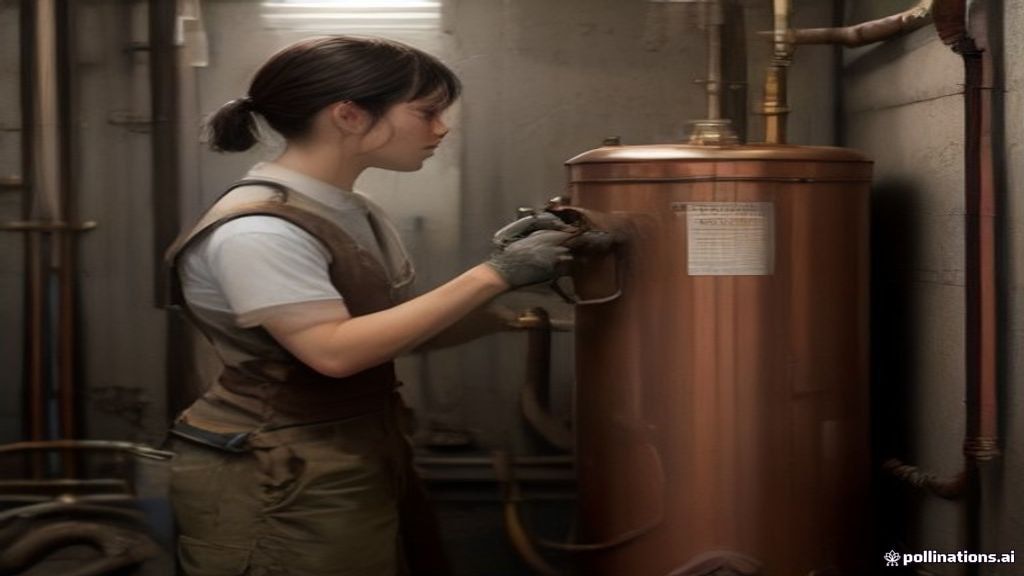
An intact 40-to-50-gallon residential water heater yields between $8.00 and $15.00 at most scrap yards when sold as dirty shred or light iron scrap metal (weighing 100 to 150 lbs). However, scrapping the tank intact leaves over half its cash value on the workbench. By taking 10 to 15 minutes to strip non-ferrous components—such as brass pressure relief valves, copper stubs, and die-cast aluminum gas regulators—the total payout increases to $22.00 to $42.00 per unit. Curbside scrappers and salvage operators who build collection routes with local plumbing contractors can easily turn 10 tanks a week into $300 to $500 in direct cash earnings.
Detailed Payout Rates & Earnings Breakdown
Understanding scrap water heater payout rates requires breaking the appliance down into its distinct metal classifications. Scrap yards pay drastically different rates for ferrying bulk steel versus clean brass, copper, and cast aluminum. Below is the market value breakdown for residential gas and electric water heaters based on national average scrap yard pricing across the United States, Canada, and Australia.
| Component / Material Grade | Average Weight | Scrap Price per lb / kg | Total Component Value | Required Extraction Tool |
|---|---|---|---|---|
| Complete Intact Tank (Unstripped Light Iron) | 100 – 150 lbs (45–68 kg) | $0.06 – $0.10 / lb ($0.13–$0.22/kg) | $6.00 – $15.00 | None (Sold as-is) |
| Stripped Steel Tank Shell (Shred / Light Scrap) | 85 – 125 lbs (38–56 kg) | $0.06 – $0.10 / lb ($0.13–$0.22/kg) | $5.10 – $12.50 | Reciprocating Saw / Socket Set |
| Brass Pressure Relief & Drain Valves (Clean Yellow/Red Brass) | 1.0 – 2.0 lbs (0.45–0.90 kg) | $2.10 – $2.55 / lb ($4.62–$5.61/kg) | $2.10 – $5.10 | 14-inch Pipe Wrench / Channel Locks |
| Copper Supply Stubs & Dip Tube Fitting (#1 / #2 Copper) | 1.5 – 3.0 lbs (0.68–1.36 kg) | $3.20 – $3.85 / lb ($7.04–$8.47/kg) | $4.80 – $11.55 | Tubing Cutter / Angle Grinder |
| Gas Control Valve Assembly (Die-Cast Aluminum / Brass Mix) | 1.5 – 3.5 lbs (0.68–1.58 kg) | $0.45 – $0.80 / lb ($0.99–$1.76/kg) | $0.68 – $2.80 | Adjustable Wrench / Screwdriver |
| Electric Heating Elements (High-Temp Stainless / Incoloy) | 0.5 – 1.0 lbs (0.22–0.45 kg) | $0.40 – $0.75 / lb ($0.88–$1.65/kg) | $0.20 – $0.75 | 1-1/2″ Element Socket Wrench |
| Anode Rod (Magnesium or Aluminum Alloy) | 1.0 – 2.0 lbs (0.45–0.90 kg) | $0.25 – $0.55 / lb ($0.55–$1.21/kg) | $0.25 – $1.10 | Impact Driver / 1-1/16″ Socket |
Step-by-Step Practical Blueprint: Maximizing Water Heater Scrap Values
1. Secure Free Sourcing Channels (Plumbing Contractors & Property Managers)
Driving around neighborhoods hunting for curbside tanks burns expensive fuel and yields inconsistent results. Instead, directly target licensed plumbing contractors, mechanical technicians, and multi-family residential maintenance managers. Plumbers swap out 3 to 10 water heaters a week and must pay disposal fees or waste labor hauling them back to shop dumpsters. Offer a reliable, free pick-up service where you collect old units within 24 hours of removal. Providing a clean drop box or routine schedule turns you into a valued partner rather than a nuisance.
2. Drain, Safe Depressurization, and Transport Setup
Water adds dead weight that damages vehicle suspensions without adding scrap payout. A full 50-gallon tank contains over 400 pounds of water. Before loading, verify that the tank is completely drained. Attach a standard garden hose to the bottom drain valve; if sediment clogs the valve, knock the valve stem out with a punch or break the fitting using a heavy pipe wrench. Secure tanks vertically in your pickup truck or utility trailer using heavy-duty ratchet straps to prevent structural damage during transit.
3. Execute the 10-Minute High-Value Teardown Process
Do not spend hours tearing down the inner steel vessel or insulation jacket. Optimize your labor by stripping only high-value non-ferrous attachments:
- Extract Copper Piping: Use an angle grinder or cordless reciprocating saw to cut off the top cold/hot copper connection nipples flush with the steel shell. Separate pure copper from steel threads to earn clean #1 or #2 copper prices.
- Remove Brass Valves: Use a 14-inch pipe wrench to unscrew the Temperature and Pressure (T&P) relief valve near the top and the bottom drain valve. Steel or plastic threads inside the fitting should be removed so the scrap yard accepts it as “Clean Brass.”
- Dismantle the Gas Control Module (Gas Units): Unbolt the thermostat control box from the front of the tank. Clip the thin copper thermocouple line and aluminum burner tube. Throw the thermostat casing into the cast aluminum or die-cast bin.
- Pull Electric Elements (Electric Units): Disconnect the copper wiring harness under the side access panels. Use an element socket to back out the dual heating elements.
4. Sort Materials into Dedicated Totes for Yard Cash-Out
Arriving at the scrap yard with unsorted metals will result in the yard grading your entire load at the lowest common denominator (Light Iron/Shred rate). Store clean brass, copper, and aluminum in designated 5-gallon buckets or heavy plastic totes. Drive onto the gross truck scale first to weigh the bulk steel tank, dump the shell in the iron yard, then drive to the non-ferrous scale house to weigh your sorted high-value metals individually.
Hidden Costs, Taxes & Legal Realities
Operating a scrap arbitrage or recycling operation carries distinct overhead expenditures and legal constraints that affect net profit margins:
- Fuel and Vehicle Expenses: At current fuel costs, hauling a single $12 water heater across town 15 miles round-trip results in negative cash flow. Haul minimum batch loads of 4 to 8 units per trip, or combine collection runs with existing daily routes.
- IRS Tax Obligations (1099-NEC & State Scrap Tracking): Scrap yards operate under strict state laws and federal reporting rules. Cash payouts exceeding $600 per year from a single recycling yard will generate an IRS Form 1099-NEC. You must track self-employment earnings, subject to the 15.3% federal self-employment tax, while keeping receipts for mileage, tools, and protective gear to offset taxable income.
- Scrap Seller Identification & Anti-Theft Laws: In most US states, Canada, and Australia, selling non-ferrous metals like copper and brass requires a valid government-issued photo ID, thumbprint, and sometimes a 3-to-5-day payment hold via check. Keeping organized bill-of-sale logs from your plumbing sources prevents legally suspicious transactions.
- Hazardous Materials & Gas Regulations: Never cut into an active gas regulator line without confirming gas shutoff. Older commercial water heaters may feature mercury-switch flame sensors—these must be safely removed and surrendered to authorized municipal hazmat collection sites, not thrown into scrap bins.
Common Mistakes & Red Flags to Avoid
- Mistake 1: Selling “Dirty” Non-Ferrous Metal. Leaving steel iron nipples attached to a brass relief valve drops the payout grade from “Clean Brass” ($2.20+/lb) to “Dirty Brass” or “Refinery Brass” ($0.50/lb). Spend 15 seconds knocking off iron fittings.
- Mistake 2: Wasting Time Scraping Glass Linings or Insulation. Residential water heater steel shells are lined with thin porcelain glass and surrounded by polyurethane foam insulation. Attempting to peel away outer jackets to expose clean steel waste hours of manual labor for an extra $0.50 of metal weight. Leave the shell intact once valves are removed.
- Mistake 3: Transporting Sludge-Filled Units. Sediments settle at the bottom of water heaters, adding non-metallic weight that scrap scales may penalize via weight deductions. Flush or knock out calcified sediment before weighing.
- Mistake 4: Disregarding Yard Scales Calibration. Always know the dry weight of your vehicle and equipment. Keep an eye on non-ferrous scales to ensure scrap yards aren’t under-weighing your high-grade copper and brass.
Frequently Asked Questions
Is a gas water heater worth more scrap money than an electric water heater?
Yes. Gas water heaters contain a die-cast aluminum gas valve, copper thermocouple lines, an aluminum or steel burner tray, and heavy brass fittings. Electric units contain copper element wires and small heating elements, but gas models consistently yield $3.00 to $7.00 more per tank in non-ferrous metal recovery.
Can I sell a water heater to a scrap yard without taking it apart?
Yes. Every commercial metal recycling facility accepts complete water heaters as “Light Iron,” “Shred,” or “Unprepared Tin.” However, you will receive the minimum bulk rate ($0.06–$0.10 per pound), capping your earnings at $8.00 to $15.00 total instead of the $25.00 to $40.00 achievable through simple component stripping.
Do I need a special license to pickup old water heaters from plumbers?
Generally, no standard business license is required for basic transport of non-hazardous solid metal scrap. However, if you store more than a couple dozen tanks on residential property, municipal code enforcement may issue zoning violations for operating an illegal salvage yard. Keep inventory moving rapidly from pickup straight to the commercial scale house.
Final Verdict & Practical Advice
- Stripping Non-Ferrous Components is Mandatory: Never turn in a water heater whole unless you are completely pressed for time. Removing brass valves and copper stubs doubles or triples your net profit per unit.
- Establish B2B Sourcing Partnerships: Secure 2 or 3 residential plumbing companies as clients. A steady supply of tanks delivered directly to your pickup point eliminates fuel waste and guarantees predictable weekly salvage revenue.
- Batch Process Your Scrap Inventory: Store stripped copper, brass, and aluminum until you have filled 5-gallon buckets. Taking 50 lbs of brass to the scale at once yields far better time efficiency and leverage than taking single valves piecemeal.


