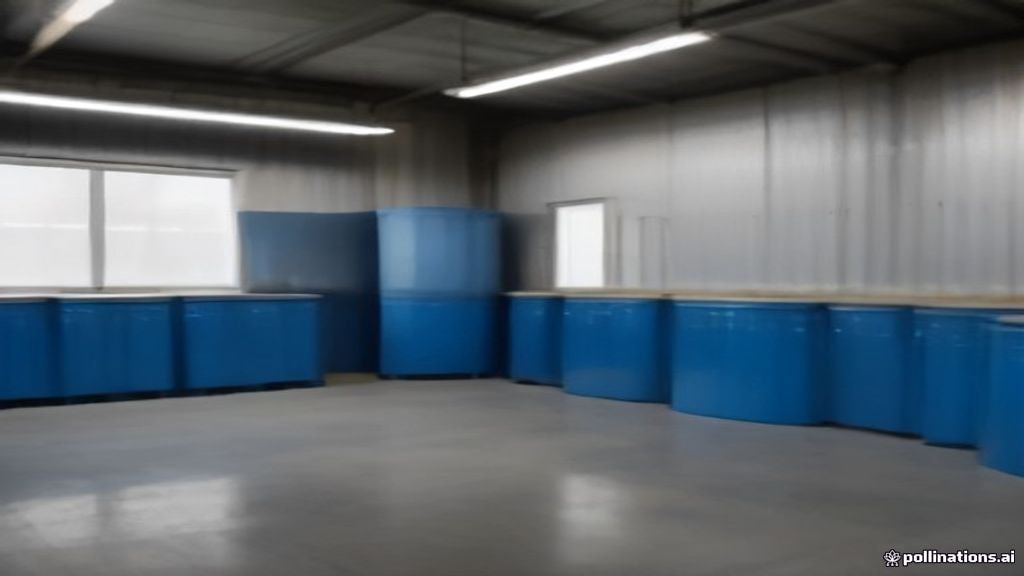
Reselling surplus 55-gallon drums yields an average net profit of $15 to $40 per barrel, translating to $250 to $800+ per batch and generating a realistic part-time side income of $1,200 to $3,500 per month for local recycling arbitragers. Food-grade High-Density Polyethylene (HDPE) blue barrels and unlined open-head steel drums deliver the highest profit margins when sourced free or under $10 from industrial processors and resold locally to homesteaders, dock builders, farmers, and contractors.
55-Gallon Drum Resale Rates & Profit Breakdown
The market value of a 55-gallon barrel depends heavily on material composition, lid configuration (closed-head vs. open-head), structural integrity, and prior contents. Secondary markets prioritize container safety: drums that previously held non-toxic food products like corn syrup, juice concentrate, or vegetable oils command a premium over industrial chemical or soap containers.
The table below breaks down real-world sourcing costs, reconditioned local resale prices, and net margins across the five most profitable container types:
| Container Type & Specifications | Average Sourcing Cost | Reconditioned Resale Price | Net Profit Per Unit | Primary Local Buyers |
|---|---|---|---|---|
| 55-Gal Food-Grade HDPE Plastic (Closed-Head w/ Bungs) | $0 – $8 | $35 – $50 | $27 – $42 | Rain harvester DIYers, livestock watering, aquaponics, maple syrup harvesters |
| 55-Gal Open-Top HDPE Plastic (Removable Lid w/ Clamp) | $2 – $12 | $45 – $65 | $33 – $53 | Dry grain storage, emergency preparedness, animal feed bins, bulk storage |
| 55-Gal Closed-Head Steel Drum (Bunged / UN-Rated) | $0 – $10 | $30 – $45 | $20 – $35 | Waste oil collectors, biodiesel setups, industrial waste, construction scrap |
| 55-Gal Open-Head Steel Drum (Clean / Unlined Interior) | $5 – $15 | $40 – $60 | $25 – $45 | Burn barrels, meat smoker builds (UDS), scrap metal bins, trash receptacles |
| 275-Gal IBC Tote Container (Bonus High-Cap Tier) | $20 – $50 | $120 – $180 | $70 – $130 | Farmers, mobile detailers, pressure washing contractors, bulk water transport |
Step-by-Step Practical Blueprint: Sourcing & Arbitrage Strategy
Scaling a container arbitrage operation requires building a reliable supply pipeline, establishing efficient cleaning procedures, and tapping into high-demand buyer niches in your local market.
Step 1: Secure Free or Ultra-Low-Cost Sourcing Contracts
Avoid buying barrels from retail middlemen. Instead, target local businesses that receive raw liquid ingredients or commercial cleaning concentrates in bulk. These companies frequently pay commercial waste haulers to remove empty barrels or let them clutter their loading docks.
- Food & Beverage Manufacturers: Bakeries, microbreweries, beverage bottling plants, flavoring suppliers, and syrup processors receive bulk liquid ingredients in food-grade HDPE barrels.
- Commercial Car Washes & Auto Detailers: Car washes exhaust multi-gallon barrels of automotive soap, wax, and tire shine weekly. While not food-grade, these containers are ideal for non-potable uses like trash bins or dock flotation.
- Agricultural Suppliers & Nurseries: Farms frequently accumulate excess non-toxic fertilizer and liquid feed containers.
- Pitching the Business: Approach warehouse managers directly. Frame your service as a dependable, zero-cost drum hauling program that frees up valuable floor space and reduces their solid waste fees.
Step 2: Inspect, Identify UN Ratings, and Neutralize Residues
Safety is the foundational rule of drum arbitrage. Before loading a drum onto your trailer, inspect the container for markings, physical defects, and internal contamination.
- Verify Material Stamp: Look for the raised triangular plastic recycling symbol on the bottom of plastic barrels. Ensure it displays HDPE #2 (High-Density Polyethylene), which resists UV degrading and stress cracking.
- Decode Food-Grade Markings: Food-grade drums often carry explicit “FDA Approved” or “Food Grade” raised text, or contain remnant odors of food products (e.g., molasses, vinegar, citrus concentrate).
- Check UN Packaging Codes: Look at the stamped UN string on steel or heavy-duty plastic (e.g.,
UN 1A1/Y1.4/150). Avoid drums marked with toxic chemical codes or hazard diamonds indicating pesticides, industrial solvents, or heavy acids. - Pressure Washing Protocol: Use an electric or gas-powered 2,500+ PSI pressure washer fitted with a hot water line or broad-spray nozzle. Wash out soap residues or organic syrups using biodegradable degreasers, rinse thoroughly, and invert the drums to dry completely to prevent stagnation.
Step 3: Apply Value-Add Upgrades to Double Your Margins
Selling raw, uncleaned drums yields modest margins. Spending 10 to 15 minutes adding simple functional upgrades allows you to charge premium prices to specialized retail buyers.
- The Rain Barrel Conversion ($25 Value-Add): Drill a 3/4-inch hole 3 inches above the bottom of a food-grade plastic drum. Install a brass spigot using a threaded bulkhead fitting and plumber’s tape. Drill a top inlet hole fitted with mesh screening to exclude mosquitoes. A drum sourced for $5 now sells for $60–$75 as an aesthetic garden rain barrel.
- The Steel Burn Barrel Conversion ($15 Value-Add): Take an open-head, unlined steel drum, drill three 1-inch draft vent holes around the bottom rim to maximize airflow, and remove the lid locking rim. Advertise it on local online marketplaces as a “Heavy-Duty Low-Smoke Burn Barrel” for $50 to $65.
- Dock Flotation Bundles: Package groups of 4 to 8 closed-head blue HDPE drums directly to waterfront property owners building floating docks, offering a slight package discount.
Step 4: Execute High-Speed Local Liquidation
Because drums are bulky and expensive to ship, 100% of your sales will occur locally. Optimize your digital storefront listings to convert buyers fast:
- High-Intent Keywords: Title your marketplace listings clearly: “Food-Grade 55-Gallon Plastic Barrels – Clean – Ideal for Rain Water & Livestock” or “Heavy-Duty 55-Gal Steel Drum – Clean Interior – Burn Barrel / Storage”.
- Multi-Channel Strategy: Post simultaneously across Facebook Marketplace, OfferUp, Craigslist (Farm & Garden section), and local Facebook farm supply/homesteading groups.
- Delivery Fee Upsell: Buyers often lack a pickup truck or trailer. Offer flat-rate local delivery (e.g., $15–$25 within a 15-mile radius) for buyers purchasing two or more units, maximizing your total revenue per trip.
Hidden Costs, Taxes & Legal Realities
While barrel flipping offers impressive gross profit margins, long-term success requires accounting for overhead, legal compliance, and tax liabilities.
- Transportation & Fuel Logistics: Hauling 20 empty barrels requires a trailer or a high-capacity box truck. A standard 6.5-foot pickup truck bed holds only 6 to 8 drums standing upright. Transporting loose drums unstrapped violates DOT cargo securement laws and risks heavy fines. Secure all loads with ratcheting cargo straps.
- EPA & RCRA Environmental Regulations: Under the Resource Conservation and Recovery Act (RCRA), purchasing, transporting, or reselling containers that previously held hazardous waste without proper toxic waste hauling permits carries severe civil penalties. Never purchase or flip containers with unknown chemical residue.
- IRS Self-Employment Tax Reporting: Income generated through cash transactions, Venmo, Zelle, or PayPal from flipping secondary goods constitutes taxable self-employment income. Track mileage using a dedicated app (deductible at the standard IRS business rate) and offset gross revenue with expenses for pressure washer fuel, cleaning chemicals, hardware fittings, and tie-down straps on Schedule C.
- Storage Footprint & Municipal Zoning: Stacking 50+ bright blue plastic barrels in a residential driveway or front yard can trigger code enforcement violations or HOA fines. You will need a secure yard, barn, outbuilding, or commercial garage space to store inventory out of public view.
Common Mistakes & Red Flags to Avoid
Steer clear of these frequent operational errors to protect your profit margins and community reputation:
- Red Flag 1: Selling Chemical Barrels for Potable/Water Uses: Never sell a drum that previously held pesticide, oil, floor stripper, or industrial solvents for agricultural, animal, or rain barrel use. Even deep pressure-washing cannot fully remove chemicals leached into porous HDPE plastic. A single toxic transfer can destroy your business.
- Red Flag 2: Buying Epoxy-Lined Steel Drums for Heat Applications: Many steel drums feature a yellow, red, or tan chemical-resistant epoxy lining inside. If burned or modified into a smoker, this liner emits hazardous carcinogenic fumes. Only buy unlined raw steel drums for burn barrels, stoves, or food cookers.
- Red Flag 3: Leaving Hazardous Transportation Labels Intact: Transporting or selling drums displaying active hazardous material diamond labels (e.g., Corrosive 8, Flammable 3) without the corresponding regulated material inside violates Department of Transportation (DOT) shipping codes. Peel or paint over old hazardous product labels before moving inventory.
- Red Flag 4: Overpaying for Rusted or Dent-Pitted Inventory: Never pay top dollar for steel drums with deep structural rust along the bottom rim or severe body creasing. Rust holes render steel drums useless for liquid containment, reducing their resale value to basic scrap metal scrap-yard prices (often less than $2 to $4 per barrel at a local scrap recycler).
Frequently Asked Questions
How can I positively verify that a plastic drum is food grade?
Look for explicit indicators: a raised FDA logo or “Food Grade” stamp molded directly into the bottom plastic, original manufacturer product labels naming food contents (e.g., high-fructose corn syrup, fruit juice, kosher glycerin, liquid sugar), or a certified resin declaration from the original supplier. When in doubt, do not sell the drum for drinking water or food contact.
Is it legal to convert and sell steel 55-gallon drums as burn barrels?
Yes. Selling converted steel burn barrels is legal throughout the United States and Canada. However, end buyers must comply with local municipal burn ordinances, burn bans, and EPA open-burning restrictions in their specific county or township.
How many 55-gallon drums can I fit in a standard utility trailer?
A standard 5×10 single-axle utility trailer can carry 15 to 18 full-sized 55-gallon drums standing upright in a single layer. By utilizing top ratcheting straps and side wall stakes, experienced haulers can safely stack a second row, expanding capacity to 30+ units per haul.
Final Verdict & Practical Advice
55-gallon drum resale is one of the most accessible, high-margin physical scrap and recycling side hustles available today. It requires minimal startup capital, basic equipment, and no technical certification. To build a reliable monthly profit stream, follow these core execution steps:
- Focus 80% of your energy on Food-Grade HDPE: Blue and natural-colored food-grade HDPE barrels enjoy year-round demand, fast sales velocity, and low risk compared to steel chemical drums.
- Automate your industrial supplier partnerships: Lock down 2 to 3 local commercial sources with consistent weekly output. Reliability and prompt pickups will guarantee you stay ahead of competing scavengers.
- Build a portfolio of modified products: Do not just sell raw inventory. Keep brass spigots, drill bits, and screen mesh on hand to convert standard $5 plastic drums into high-margin $65 rain barrels on demand.


