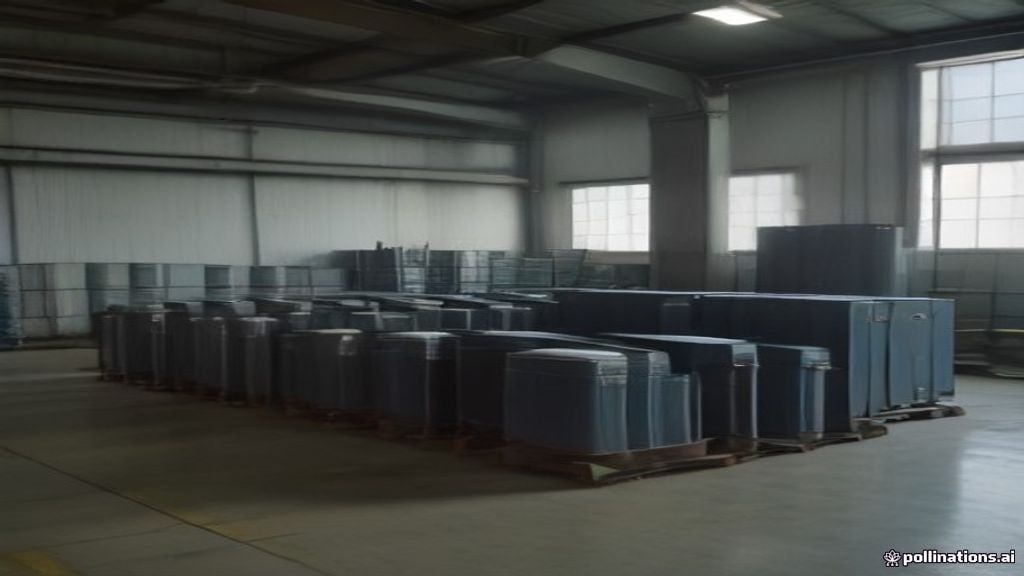
The standard scrap ac compressor price per pound typically ranges between $0.15 and $0.45 per pound for standard residential and commercial units, while specialized automotive AC compressors sold to core rebuilders can yield significantly higher flat-rate payouts. Payouts arrive immediately at the scrap yard counter via cash, check, or digital payment card upon weighing. Qualifying to sell scrap compressors requires possessing legal ownership of the scrap equipment and ensuring compliance with federal environmental guidelines regarding refrigerant recovery.
Factors Influencing Scrap AC Compressor Price per Pound Rates
Air conditioning compressors contain heavy copper windings encased inside thick steel or cast iron housings. Because scrap yards evaluate compressors based on the ratio of copper content to total unit weight, market fluctuations in refined copper directly impact daily yard quotes. Most recycling yards classify unbroken household compressors similarly to sealed unit refrigeration scrap, whereas automotive compressors are often categorized separately due to higher aluminum content or core resale potential.
When selling scrap HVAC equipment, technicians and recyclers frequently process compressors alongside external coil assemblies. For broader context on related HVAC component values, see our guide on scrap copper aluminum radiator price per pound rates.
| Unit Category | Typical Pay Range | Payment Schedule & Method | Requirements |
|---|---|---|---|
| Standard Sealed AC Compressor | $0.15 – $0.30 / lb | Immediate (Cash, Check, Card) | Refrigerant recovered; oil drained; outer steel shell intact |
| Automotive AC Compressor (Scrap Scrap Rate) | $0.25 – $0.45 / lb | Immediate (Cash, Check, Card) | Pulley attached; oil drained; outer aluminum body intact |
| Automotive AC Compressor (Core Rebuilder Rate) | $10.00 – $35.00 / unit | Immediate to 3 Days (Check, Direct Deposit) | OEM undamaged housing; clutches intact; suitable for remanufacturing |
| Manual Breakdown (Extracted Copper) | $1.20 – $2.50 / lb (Copper portion) | Immediate (Cash, Check, Card) | Steel casing cut open; copper stator windings extracted and separated |
Step-by-Step Guide to Processing and Scrapping AC Compressors
Step 1: Verify Environmental Compliance and Recover Refrigerant
Under United States EPA regulations (Section 608 of the Clean Air Act), intentional venting of refrigerants such as R-22, R-410A, or R-134a into the atmosphere is strictly illegal and subject to severe civil fines. Before removing or cutting compressor lines, a certified HVAC technician must use an approved recovery machine to evacuate all remaining refrigerant gas into recovery cylinders. Scrap yards routinely inspect compressor tubing to confirm that line pressure has been relieved safely prior to purchase.
Step 2: Distinguish Core Value from Scrap Metal Value
Automotive air conditioning compressors often command higher value as remanufacturing cores than as simple scrap metal. Specialized auto parts rebuilders and automotive core buyers purchase late-model or high-demand OEM compressors for flat rates ranging from $10 to over $30 each. If the housing, clutch, and mounting ears are completely intact without severe corrosion, selling the unit to an auto core broker will almost always generate a higher return than bringing it to a local scrap yard scale.
Step 3: Clean and Prepare the Unit for Scrap Yard Grading
If the compressor lacks core value or comes from a residential HVAC unit, removing extraneous heavy steel brackets, mounting bolts, and loose wiring will prevent yards from downgrading the load. Draining remaining compressor lubricating oil into proper containment containers is also mandatory at most facilities. Leaving heavy iron mounting frames attached may result in the yard reclassifying your entire compressor weight down to the lower light iron scrap price per ton rate.
Step 4: Decide Whether to Teardown or Sell Intact
Inside the welded steel shell of a standard home AC compressor lies a copper-wound stator. Scrappers equipped with angle grinders or plasma cutters sometimes split the steel housing to extract the internal copper windings. However, breaking down a sealed compressor requires significant labor, blade expense, and protective gear. Standard electric motor scrap prices often provide a benchmark for evaluating whether manual extraction makes financial sense; details on motor yields can be reviewed in our breakdown of scrap electric motor price per pound payouts.
Fees, Payout Minimums, and Tax Compliance Rules
Scrap metal yards do not charge transaction fees to weigh and purchase metal, but operational policies vary by state and municipality. Many regional jurisdictions require scrap processors to hold cash payouts for 3 to 5 business days or issue payment exclusively via tracked corporate check or bank transfer to deter metal theft. A valid government-issued photo ID is uniformly required for all scrap metal sales above minimal cash thresholds.
In the United States, earnings from selling scrap metal are treated as taxable income. If you operate a dedicated recycling business, payouts exceeding $600 from commercial buyers or third-party payment settlement entities trigger tax reporting under Form 1099-NEC or Form 1099-K. Individual scrappers reporting sales must track gross proceeds and deduct legitimate operating expenses, including fuel and equipment maintenance, on Schedule C. In the UK, Canada, and Australia, scrap earnings fall under local capital gains or self-employment income rules. Scrappers should consult a qualified tax professional for personalized accounting guidance.
Common Errors and Scrap Yard Rejection Risks
- Venting pressurized refrigerant illegally: Cutting lines under pressure risks public safety, creates environmental contamination, and results in immediate rejection from compliant recycling yards.
- Attempting to sell contaminated units filled with oil: Leaking oil onto scrap scales creates hazardous waste hazards, leading yards to assess clean-up fees or refuse the load.
- Misclassifying commercial vs. auto units: Mixing lighter household compressors with heavier automotive aluminum units without presorting causes buyers to default to the lowest applicable rate tier.
- Lack of ownership verification: Commercial HVAC units sourced from job sites often require proof of legal acquisition or contractor verification to comply with local anti-theft statutes.
Frequently Asked Questions
Will scrap yards accept an AC compressor with sealed refrigerant lines?
Most reputable scrap yards will refuse compressors if the lines appear pressurized or if there is evidence that refrigerant has not been legally recovered. Yards require clear proof of venting or crimped, open service ports before accepting sealed units onto their scales.
Is it profitable to cut open an AC compressor to remove the copper?
For most individual scrappers, cutting open small residential compressors is not cost-effective once labor, angle grinder disc wear, and safety risks are factored in. The copper yield inside standard sealed compressors represents roughly 10% to 15% of total unit weight, making intact sale the practical choice unless processing large commercial volumes.
Why do automotive AC compressor prices differ from home unit prices?
Automotive compressors feature lightweight aluminum housings and specialized internal swashplate mechanisms that attract core rebuilder demand. Residential compressors feature heavy welded steel shells with higher iron-to-copper ratios, resulting in lower per-pound scrap valuation.
Verdict: Who Should Scrap AC Compressors?
Scrapping air conditioning compressors is a practical income stream for licensed HVAC contractors, automotive mechanics, and established scrap collectors who already handle metal teardowns and have access to proper refrigerant recovery tools. Casual collectors lacking recovery equipment should avoid cutting active HVAC lines and focus on gathering already-evacuated core units. A realistic first step is calling two or three local scrap processors to confirm their specific intake requirements for sealed units and compare current motor versus core buyer rates.
Related Guides
- Scrap Transmission Price per Pound: Yard Rates & Guide
- Scrap Lead Wheel Weights Price per Pound: Yard Rates Guide
- Scrap Starter Motor Price per Pound: Yard & Core Rates Guide
Last updated: October 11, 2026. Pay rates, bonuses and eligibility rules change often, so always confirm the current details on the official website before you sign up.


