PPD clinical research pay rates range from $250 to $450 per day for inpatient Phase 1 trials, leading to total study payouts between $1,500 and $8,500+ depending on stay duration and procedure intensity. Outpatient follow-up visits typically pay between $100 and $250 each, while full screening appointments offer $75 to $150. Compensation is paid via direct deposit or reloadable debit card, structured in staggered milestone payments or a final lump sum upon trial completion.
Detailed Payout Rates & Earnings Breakdown
Pharmaceutical Product Development (PPD), a subsidiary of Thermo Fisher Scientific, operates high-volume clinical research facilities in major metropolitan hubs including Austin, Texas; Orlando, Florida; Las Vegas, Nevada; and Hamilton, United Kingdom. Because Phase 1 studies test investigational drugs for safety, pharmacokinetics, and absorption, participation requires strict living conditions, monitored diets, and frequent blood draws. PPD compensates participants directly for their time, overnight facility stays, and compliance with clinical protocols.
Payouts are determined primarily by total overnight stays, the frequency of biological sampling (blood, urine, or ECG monitoring), and the strictness of dietary or physical restrictions. Below is a comprehensive breakdown of standard PPD clinical trial compensation tiers based on study structure and participant time commitments.
| Study Category & Type | Estimated Total Payout | Time & Overnight Requirement | Payout Method & Delivery Schedule |
|---|---|---|---|
| Phase 1 Short Inpatient Stay | $1,200 – $2,500 | 2 to 5 consecutive overnight stays + 1 follow-up visit | Direct deposit or reloadable card; paid within 7–10 days post-completion |
| Phase 1 Moderate Inpatient Stay | $3,000 – $5,500 | 7 to 14 consecutive overnight stays + 2 follow-up visits | Staggered payments (weekly milestone stipends + final completion balance) |
| Extended Bioavailability Study | $6,000 – $9,500+ | 15 to 28 consecutive overnight stays + 3–4 follow-ups | Multi-stage direct deposit distributions scheduled throughout the stay |
| Outpatient Vaccine / Oral Dose Study | $500 – $1,800 | No overnights; 4 to 8 scheduled clinic visits over 3–6 months | Per-visit payout issued immediately or within 48 hours per appointment |
| In-Person Screening Visit | $75 – $150 | 2 to 4 hours (bloodwork, physical exam, drug panel, EKG) | Paid upon full completion of screening tests, regardless of trial qualification |
| Alternate / Standby Participant Fee | $150 – $300 | 4 to 8 hours on Check-In Day (held on standby in clinic) | Issued immediately if not selected for the main dosing group |
Daily compensation at PPD breaks down into three distinct components: a base rate for residency (usually $200 per 24-hour stay), procedural fees (blood draws, telemetry, lumbar punctures, or skin biopsies that add $50 to $150 per procedure day), and completion bonuses meant to discourage participants from leaving multi-week trials early. If a study requires complex dosing schedules—such as 12 to 18 blood draws in a single 12-hour window—the daily compensation increases accordingly.
Step-by-Step Practical Blueprint to Maximize PPD Earnings
Securing a spot in a high-paying PPD trial requires strategic preparation, health maintenance, and precise compliance. Thousands of applicants compete for lucrative Phase 1 studies, but a large percentage are disqualified during medical screening. Follow this precise blueprint to qualify and complete trials successfully.
Step 1: Profile Registration and Medical History Audit
Begin by creating an official profile on the PPD clinical research portal (ppd.com). You must submit accurate health history data, including your current Height, Weight, Body Mass Index (BMI), prescription history, surgical history, and lifestyle habits. Most high-paying Phase 1 studies require a strict BMI range between 18.5 and 32.0. Ensure your profile lists all past surgeries, allergies, and accurate nicotine/alcohol consumption history. Discrepancies between your online registration and clinic blood tests lead to immediate disqualification.
Step 2: Pre-Screening Call and Medication Washout
When a study matching your demographic profile becomes available, a PPD recruiter will conduct a telephone pre-screening interview lasting 15 to 30 minutes. The recruiter will detail the dosing protocols, study duration, and total payout. During this call, you must confirm that you can observe mandatory “washout periods.” Most studies prohibit over-the-counter medications, vitamins, herbal supplements, caffeine, and alcohol for 7 to 14 days before screening and throughout the trial.
Step 3: Navigating the In-Person Screening Appointment
Once pre-screened, you will attend an in-person health assessment at a PPD clinic. This appointment includes blood draws, urine drug toxicology screens, cotinine (nicotine) testing, vital sign monitoring, electrocardiograms (ECGs), and a comprehensive physical exam with a board-certified physician. To protect your baseline readings, follow these rules leading up to your screening:
- Hydrate heavily: Drink at least 64 to 80 ounces of water daily for 48 hours prior to screening to optimize blood pressure, kidney values, and vein visibility.
- Avoid heavy exercise: Stop weightlifting or strenuous cardio 72 hours before screening. Intense exercise elevates Creatine Kinase (CK) and liver enzymes (AST/ALT), which can mimic organ stress and cause instant bloodwork rejection.
- Maintain a clean diet: Avoid high-sodium, ultra-processed, or high-fat meals 48 hours prior to avoid elevated blood pressure or lipemic blood samples.
Step 4: Managing Inpatient Residency and Protocol Compliance
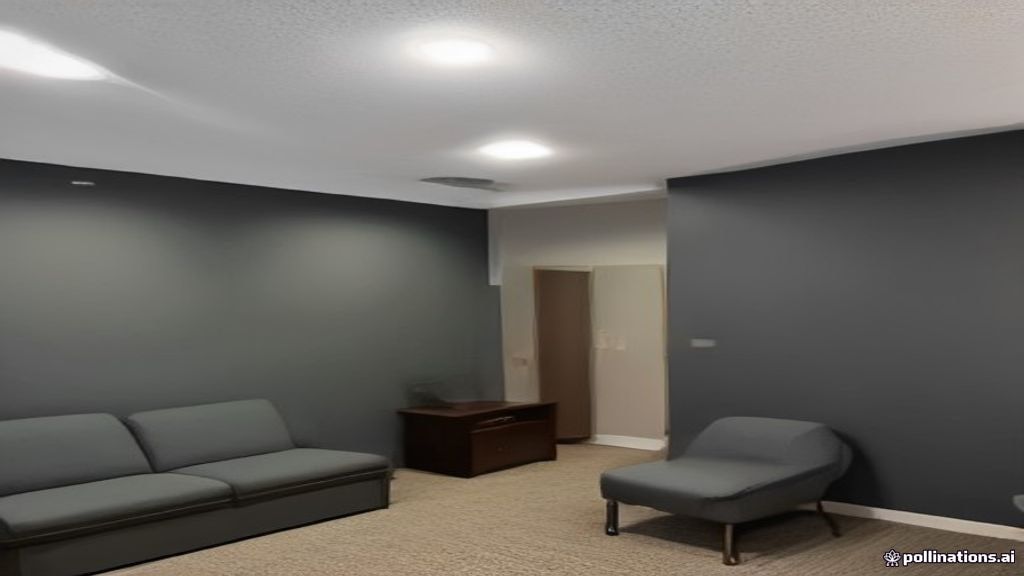
Upon check-in, you will undergo a final drug/alcohol screening and pregnancy test (if applicable) before being admitted to the residential clinical unit. Inpatient units resemble dormitory-style facilities equipped with semi-private beds, lounges, Wi-Fi, gaming consoles, and study areas. To protect your full payout, adhere strictly to clinic protocol: consume 100% of served meals within required timeframes (often 20 minutes), remain awake during mandated posture periods post-dosing, and arrive at blood-draw stations precisely when called.
Hidden Costs, Taxes & Legal Realities
While earning $4,000 for a two-week stay is financially attractive, participants must navigate significant tax obligations, legal limitations, and personal constraints that impact net income.
1. Federal and State Tax Obligations (1099 Income): Compensation paid by PPD is classified by the Internal Revenue Service (IRS) as taxable income under IRS 1099-MISC (Box 3: Other Income) or 1099-NEC. PPD does not withhold taxes from your payouts. If you earn $600 or more from PPD in a calendar year, you will receive a 1099 tax form. Depending on your tax bracket and state of residence, you should set aside 15% to 30% of your total study earnings to cover federal, state, and local income tax liabilities at year-end.
2. Mandatory Washout Periods & National Donor Registries: You cannot participate in clinical trials continuously. PPD and other clinical trial centers utilize the Verified Clinical Trials (VCT) database and duplicate-enrollment prevention systems. Federal safety regulations mandate a minimum 30-day to 90-day “washout period” between receiving investigational drugs before you can enter another trial. This legal safeguard caps your maximum annual earnings from clinical research at roughly $15,000 to $25,000.
3. Uncompensated Travel & Opportunity Costs: Unless PPD specifically offers a specialized travel reimbursement stipend for distant participants, transit expenses (flights, fuel, hotel stays prior to screening, parking) are out-of-pocket costs. Furthermore, inpatient stays restrict your freedom of movement. If your primary employment requires physical presence, lost wages from your main job may offset your trial earnings unless you perform remote, work-from-home tasks while inside the clinical facility.
Common Mistakes & Red Flags to Avoid
Disqualification from a PPD study forfeits future daily earnings and can jeopardize your standing with the research network. Avoid these common mistakes:
- Failing Nicotine or Drug Screens: PPD enforces a zero-tolerance policy. Cotinine testing can detect nicotine usage (including vaping, nicotine pouches, secondhand smoke, and cessation products) up to several weeks prior. Testing positive results in immediate expulsion and a potential temp-ban from future studies.
- Attempting Dual Enrollment: Registering for two studies simultaneously across different research companies (e.g., PPD and BioLife or Icon) is strictly illegal under clinical trial protocols. Systems share real-time verification data, and dual enrollment will result in an immediate blacklist across all research networks.
- Consuming Prohibited Foods Before Dosing: Certain foods—particularly grapefruit, poppy seeds, caffeine, charbroiled meats, and energy drinks—interfere with drug-metabolizing enzymes (CYP3A4) or trigger false positives on drug panels. Always stick strictly to the pre-study diet guide provided by the clinical team.
- Underestimating Alternate / Standby Status: If you are assigned as an “Alternate,” you must complete check-in procedures and remain available on dosing day. If all primary participants pass check-in, alternates are paid a reduced flat fee ($150–$300) and sent home. Always clarify whether your spot is guaranteed before traveling long distances.
Frequently Asked Questions
How often does PPD issue payments during long, multi-week studies?
For short studies (under 7 days), PPD typically issues a single lump-sum payout within 7 to 10 business days following your final study requirement. For extended stays lasting 14 to 28 days, PPD utilizes a staggered payout schedule, distributing weekly milestone payments directly into your account or onto your clinical reloadable debit card, with the final completion balance paid after your last follow-up visit.
Do I have to pay self-employment tax on PPD clinical trial income?
No, clinical trial payments reported in Box 3 (“Other Income”) on Form 1099-MISC are generally not subject to Self-Employment Tax (SE tax for Social Security and Medicare), because participating in a clinical trial is not considered operating a trade or business. However, it remains fully subject to standard federal and state individual income taxes. Consult a tax professional regarding your personal filing situation.
Can I work my normal remote job while participating in an inpatient PPD study?
Yes, remote work is permitted during designated leisure hours, provided it does not interfere with study protocols, dosing times, blood collection schedules, or mandatory resting periods. PPD facilities feature Wi-Fi networks and workspace areas for participants, making Phase 1 studies popular among remote workers, freelancers, and students.
Final Verdict & Practical Advice
PPD clinical research trials present a highly lucrative, legitimate non-traditional cash stream for individuals who can accommodate multi-day or multi-week residential stays. Earning between **$250 and $450 per day** makes Phase 1 participation one of the highest-paying medical participation options available today—far outpacing standard plasma donation compensation.
To succeed financially without disrupting your health or routine, keep these three practical rules in mind:
- Treat Pre-Screening as an Executive Job Interview: Maintain flawless hydration, avoid high-intensity workouts for three days prior to testing, and eliminate all nicotine and caffeine early to ensure clean blood and liver panels.
- Budget 25% for Year-End Taxes: PPD payouts are untaxed at the point of distribution. Move a quarter of every stipend directly into a dedicated high-yield savings account to prevent tax-season surprises.
- Leverage Inpatient Downtime Productively: View an inpatient stay as a paid remote work retreat or study break. Maximizing your productivity inside the clinic turns study compensation into pure bonus cash while keeping your primary career or education completely intact.


