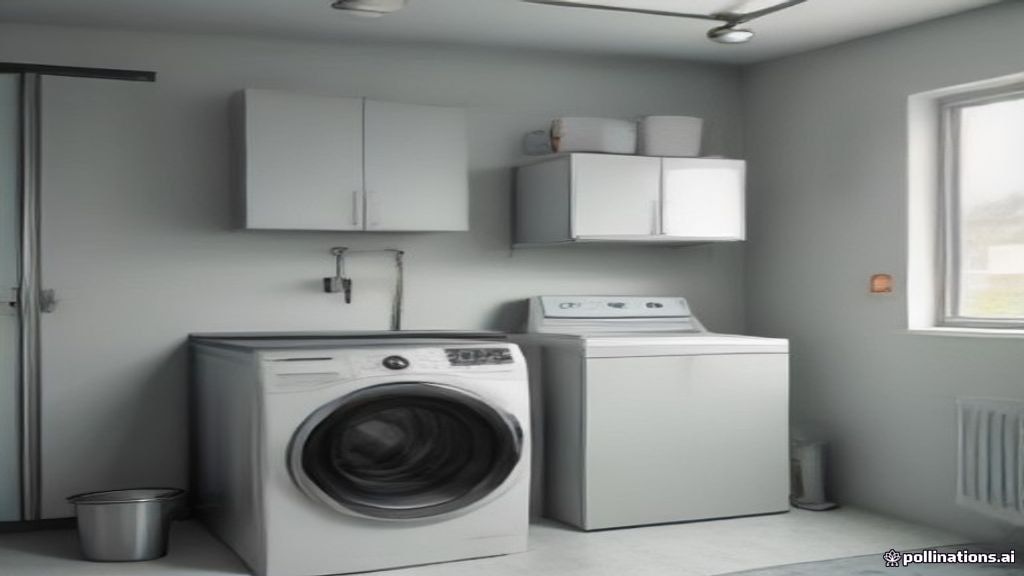
Appliance flipping profit margins consistently range between 60% and 80%, with individual units yielding clean net profits of $150 to $350 per sale. A solo operator handling 10 to 15 broken or haul-away units per month typically generates $2,000 to $4,500 in net profit after factoring in component costs, transport fuel, and platform listing fees. Because most common mechanical issues require low-cost fixes under $35, the primary investment in appliance flipping is labor, basic diagnostic testing, and local transport logistics.
Detailed Payout Rates & Earnings Breakdown
Understanding real-world financial yields across major appliance categories prevents low-margin mistakes. Simple electro-mechanical units like top-load washers and vented electric dryers offer higher profit margins and faster turnover than complex smart appliances or sealed-refrigerant systems.
Below is a realistic breakdown of sourcing costs, replacement part expenses, resale values, and net margins based on current resale market averages across the United States, Canada, and Australia:
| Appliance Category & Common Issue | Sourcing Cost | Parts & Materials | Resale Price | Net Profit Margin | Average Labor Investment |
|---|---|---|---|---|---|
| Standard Electric Dryer (Blown Thermal Fuse / Snapped Belt) | $0 – $30 | $15 – $25 | $200 – $275 | 75% – 85% ($155 – $230) | 1.5 – 2.5 Hours |
| Top-Load Washing Machine (Failed Drain Pump / Lid Switch) | $20 – $50 | $20 – $40 | $220 – $320 | 70% – 80% ($160 – $250) | 2.0 – 3.0 Hours |
| Matched Washer & Dryer Set (Minor Repairs + Deep Cleaning) | $50 – $100 | $30 – $60 | $450 – $650 | 75% – 80% ($340 – $510) | 4.0 – 6.0 Hours |
| French Door Refrigerator (Defrost Timer / Ice Maker Motor) | $50 – $150 | $40 – $90 | $450 – $750 | 65% – 75% ($320 – $520) | 4.0 – 7.0 Hours |
| Electric Freestanding Range (Bake Element / Door Gasket) | $10 – $40 | $25 – $50 | $200 – $300 | 65% – 75% ($135 – $225) | 2.0 – 3.0 Hours |
Step-by-Step Practical Blueprint
To establish a consistent pipeline of units while maintaining high profit margins, you must systematically execute four distinct stages: sourcing, diagnosing, reconditioning, and selling.
Step 1: Source Zero-Cost and Deep-Discount Inventory
Never pay full retail scrap price for non-working units. The most lucrative inventory comes from homeowners replacing functional or easily fixable machines during kitchen updates, tenants moving out on short notice, or property managers clearing out units after a lease ends.
- Free Haul-Away Listings: Search platforms like Facebook Marketplace, OfferUp, and Craigslist for keywords such as “free washer non-working,” “moving sale,” or “needs gone today.” Offer free removal services within a 15-mile radius.
- Property Management Partnerships: Reach out to local apartment complex managers and independent landlords. Offer a reliable, zero-cost haul-away service for abandoned appliances in vacant units.
- Scrap & Appliance Retailers: Establish relationships with independent local appliance retailers who charge customers haul-away fees. Offer to pick up trade-in units directly from their loading docks for free.
Step 2: Rapid Component Diagnosis
Time is the variable that destroys hourly earnings in the flipping business. Master quick diagnostic workflows using a standard digital multimeter set to measure continuity (ohms) to locate broken circuits without buying unnecessary parts.
- Dryers: Test the thermal fuse, door switch, and heating element coils. A blown $8 thermal fuse is responsible for roughly 60% of “no-heat” or “no-power” dryer calls.
- Top-Load Washers: Inspect the lid switch assembly, drive belt, and drain pump impeller. If the motor hums but won’t agitate, inspect the drive coupling or agitator dogs before assuming the transmission is destroyed.
- Refrigerators: Verify condenser coil cleanliness first. Heavy dust buildup causes compressor overheating and poor cooling performance. Check the defrost heater unit and thermistor for continuity before replacing expensive electronic control boards.
Step 3: Deep Cleaning and High-Margin Refurbishing
Appearance dictates pricing power in the used appliance market. A spotless, sanitized $30 machine sells far quicker and at a $100 premium over a filthy unit with identical mechanical functionality.
- Aesthetic Detailing: Remove build-up, lint, and detergent residue using heavy-duty degreasers and pressure sprayers on removable plastic trays. Polish stainless steel panels to eliminate water spots and fingerprints.
- Preventative Part Replacement: Replace worn drive belts, squeaking drum support rollers, or frayed power cords even if they still work. High reliability reduces post-sale customer returns and complaints.
- Sanitization Proof: Take clean, clear photographs of spotless washer tubs, lint traps, and interior refrigerator drawers to feature prominently in your marketing listings.
Step 4: Strategic Marketing and Premium Local Delivery
Maximize your total payout by capitalizing on buyer convenience. Many buyers lack trucks, trailers, or the physical strength to move heavy appliances, creating an additional income stream.
- High-CTR Listings: Capture crisp photos under bright lighting against a neutral workshop background. Include a clear video showing the machine cycling through power, fill, heat, and spin functions.
- Offer Tiered Delivery Fees: Charge an additional $40 to $75 for curb drop-off delivery, or $100 for full in-home placement and hookup (including new metal supply hoses and vent ducting).
- Provide a Short Warranty: Stand behind your work with a 30-day functional exchange or repair warranty. This eliminates buyer hesitation and allows you to charge 20% to 30% above average market pricing.
Hidden Costs, Taxes & Legal Realities
While gross margins look impressive on paper, failing to account for operational overhead, licensing, and tax liability will erode your actual net yield.
IRS Tax Requirements (US) and Global Equivalents
Appliance flipping is classified as an active trade or sole proprietorship business by tax agencies. In the United States, selling items for profit triggers self-employment tax obligations:
- 1099-K & Income Reporting: Payment processors (Venmo, Zelle, PayPal, Cash App) issue 1099-K forms if transactions exceed federal or state reporting thresholds. All income must be declared on IRS Schedule C.
- Self-Employment Tax Rate: Be prepared to set aside roughly 15.3% for Medicare and Social Security taxes on net profits, plus applicable federal and state income tax rates. Equivalent self-employed tax obligations apply via HMRC in the UK, CRA in Canada, or ATO in Australia.
- Eligible Tax Deductions: Keep meticulous receipts to offset income. Deduct vehicle mileage (using the standard IRS rate), replacement parts, hand tools, shop supplies, platform listing fees, and garage workspace usage where applicable.
EPA Refrigerant Regulations (Section 608)
Under EPA Section 608 regulations in the US, recovering or handling sealed refrigerant lines in refrigerators, air conditioners, and dehumidifiers legally requires certification. Venting EPA-regulated refrigerants (like R-134a or R-600a) into the atmosphere is illegal and carries massive financial penalties. Limit refrigerator flips to external mechanical/electrical repairs unless you possess proper EPA Section 608 universal certification and recovery equipment.
Disposal Fees and Transport Overhead
Not every acquired appliance can be saved. Unfixable units with rusted-out frames, cracked tubs, or burnt-out main control boards must be stripped for reusable parts (knobs, switches, pumps) and hauled to a local metal scrap yard. Factor in potential dump fees for non-recyclable plastic shells and high fuel usage on pickup runs.
Common Mistakes & Red Flags to Avoid
Avoiding bad buys keeps your shop flowing efficiently and protects your profit margins from being drained by unsellable scrap.
- Buying Front-Load Washers with Bad Tub Bearings: A bad drum bearing produces a loud, jet-engine roaring sound during the spin cycle. Replacing tub bearings takes 4 to 6 hours of labor and requires completely dismantling the outer tub. Avoid these unless you get the unit for free and have ample spare time.
- Skipping Direct Testing Before Purchase: Never purchase a non-working appliance from a seller without opening the back panel or testing electrical circuits with a multimeter. Avoid units showing severe circuit board burn marks, heavy rust along structural frame rails, or severe water damage near main harnesses.
- Neglecting Safety Protections During Hauling: Unsecured loads cause property damage and injuries. Always use heavy-duty appliance dollies with stair-climber wheels, ratcheting tie-down straps, and protective moving blankets. Damaging a client’s hardwood floor or doorway will instantly wipe out weeks of flipping profits.
- Using Cheap Off-Brand Replacement Components: Ultra-cheap, unbranded replacement sensors or thermal fuses from unverified online suppliers fail prematurely. Stick to trusted OEM or high-grade aftermarket parts to avoid warranty callbacks.
Frequently Asked Questions
What is the absolute most profitable appliance type for beginners to flip?
Vented electric clothes dryers are the absolute best choice for beginners. They utilize simple, straightforward electro-mechanical systems (a motor, heating element, belt, door switch, and thermal fuse), feature minimal electronics, and are easily moved by a single person using an appliance dolly. Parts are inexpensive, readily available, and diagnostic routines are straightforward.
Do I need a commercial space or warehouse to start flipping appliances?
No. Most successful flippers start in a standard single-car garage, clear shed, or clean covered driveway. You only need enough space to store 2 to 4 units, perform basic bench testing, clean the cabinets thoroughly, and stage clean photos against a well-lit wall.
How much capital do I need to start an appliance flipping business?
You can start with as little as $100 to $200. This capital covers a standard digital multimeter ($20-$30), a socket and screwdriver set ($30-$50), basic cleaning chemical supplies ($20), an appliance strap dolly ($50-$80), and enough buffer to purchase your first minor replacement parts.
Final Verdict & Practical Advice
Appliance flipping offers exceptional, repeatable profit margins for individuals willing to combine basic electrical troubleshooting with physical labor and practical local logistics. To build a sustainable, high-margin side hustle or full-time operation, focus on these three core guidelines:
- Master Multimeter Diagnostics First: Spend two hours learning how to test for circuit continuity and voltage before spending a single dollar on replacement parts or tools. Accurately pinpointing failures prevents wasteful trial-and-error spending.
- Monetize Delivery and Installation: Do not treat delivery as a burden—treat it as an asset. Offering professional home drop-off and basic hookup services increases your net payout per deal by 25% to 40% while setting you apart from casual scrap sellers.
- Protect Your Margins with Strict Sourcing Rules: Walk away from units requiring expensive sealed-system repairs or costly main control boards unless the resale value is exceptionally high. Keeping your average repair cost under $35 ensures your profit margins stay firmly above 70%.


