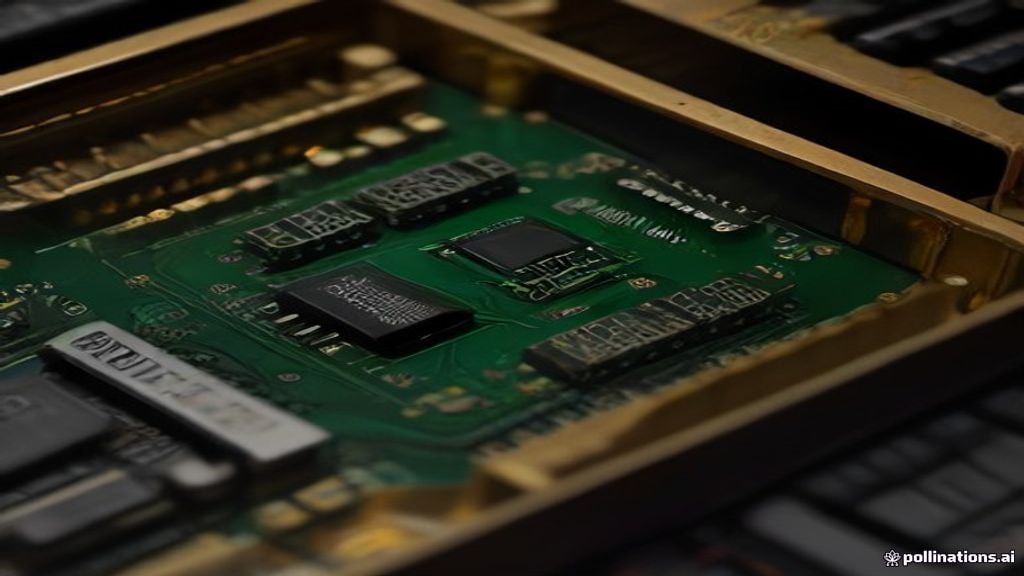
The Quick Answer: Selling electronic waste (e-waste) currently yields between $1.50 and $30.00+ per pound for standard printed circuit boards (PCBs), with specialized high-grade components like legacy ceramic CPUs fetching up to $110.00 per pound based on precious metal density. Scrappers who source free or cheap enterprise IT equipment can realistically generate $25.00 to $60.00 per hour by sorting, depopulating heatsinks, and selling directly to specialized e-scrap refiners rather than general scrap yards.
Detailed E-Waste Scrap Prices & Payout Breakdown
Unlike traditional scrap metals where material is valued strictly by raw mass, e-waste value is dictated by the density of precious metals—primarily gold, silver, palladium, and high-grade copper—embedded within the circuit boards and microprocessors. Understanding component grading is the single most important factor in maximizing payout yields.
Below is a current, real-world payout schedule based on standard national rates across major US e-scrap processors and refinery buyers:
| E-Waste Component / Grade | Estimated Payout ($/lb) | Primary Sourcing Origin | Processing Effort Required | Typical Payout Method |
|---|---|---|---|---|
| Ceramic Microprocessors (Legacy CPUs) | $30.00 – $110.00 / lb | Vintage 1990s desktop PCs, mainframe servers | Low (Unclip from CPU socket) | Check / Wire Transfer / PayPal |
| Gold-Finger Memory Sticks (RAM) | $14.00 – $24.00 / lb | Desktop towers, rackmount servers, laptops | Low (Unclip from DIMM slots) | Check / ACH / Direct Deposit |
| Hard Drive Logic Boards (HDD Boards) | $8.00 – $14.00 / lb | 3.5″ and 2.5″ mechanical hard drives | High (Unscrew micro-Torx fasteners) | Check / PayPal / ACH |
| Telecom & Enterprise Server Boards | $5.50 – $11.00 / lb | Network switches, commercial routers, rack servers | Medium (Remove large aluminum heatsinks) | Check / Wire Transfer |
| Gold Finger Expansion Cards | $4.00 – $8.50 / lb | PCIe sound cards, GPU video cards, LAN cards | Low (Unscrew bracket and pull) | Cash / Check / ACH |
| Standard Laptop Motherboards | $2.50 – $4.50 / lb | Commercial and consumer laptop tear-downs | Medium (Full casing disassembly) | Cash / Check |
| Standard Desktop Motherboards | $1.75 – $3.25 / lb | ATX tower computers, consumer desktops | Low to Medium (Remove steel frame) | Cash / Check |
| Low-Grade Power Supply / Monitor Boards | $0.20 – $0.65 / lb | CRT monitors, desktop PSUs, household appliances | Low (Cut copper wiring attached) | Cash (Local Scrap Yard) |
Step-by-Step Blueprint to Profit from E-Waste Arbitrage
Building a high-margin e-waste recycling side hustle requires moving away from retail household scrap and stepping into corporate IT asset acquisition. Follow this step-by-step process to establish a scalable e-waste operation.
Step 1: Secure Free or Low-Cost Enterprise Sourcing Channels
The biggest mistake beginners make is picking up household consumer electronics like printers, CRT televisions, and cheap DVD players. These items contain low-grade “brown board” with negligible precious metal value and heavy plastic disposal liabilities.
- Target Small-to-Medium Businesses (SMBs): Contact local accounting firms, law offices, medical practices, and school districts that are undergoing IT refreshes. Offer free, compliant e-waste removal in exchange for taking all decommissioned equipment.
- Monitor Estate Sales & Business Liquidations: Look for commercial auctions closing down legacy offices. Vintage equipment built prior to the year 2000 often contains double or triple the gold plating density of modern ultra-thin consumer electronics.
- Leverage Commercial Property Managers: Office park managers frequently pay out-of-pocket to clean out tenant abandoned server rooms. Position your service as a cost-free cleanup solution.
Step 2: Master Precision Sorting and Board Grading
Refineries enforce strict grading criteria. If you drop a single low-grade power supply board into a box of high-grade server motherboards, the buyer will reclassify the entire box at the lowest component tier, destroying your profit margin.
- High-Grade (Server/Telecom): Characterized by an abundance of Integrated Circuit (IC) chips, visible gold plating across connector pins, high surface BGA (Ball Grid Array) chips, and minimal empty surface space.
- Mid-Grade (Standard PC Motherboards/Laptops): Features a balanced mixture of IC chips, moderate gold-finger slots, and visible copper traces, but interrupted by plastic connectors and aluminum heatsinks.
- Low-Grade (Power & Appliance Boards): Dominated by large transformers, heavy iron cores, brown paper-phenolic backing, and very few microchips.
Step 3: Perform Strategic Depopulation and Weight Maximization
To get the top advertised per-pound rates, boards must be processed into “clean” condition before shipment or sale. Selling “dirty” boards results in heavy percentage dockages from refiners.
- Remove Heavy Heatsinks: Aluminum and iron heatsinks add non-precious weight. Unscrew or snap off all cooling metal. Sort these removed heatsinks separately to sell as high-grade aluminum/extruded scrap at standard yard rates.
- Clip Battery Cores: Snip off all CMOS coin-cell batteries and lithium-ion backup packs. Refiners will refuse shipments containing loose or attached lithium batteries due to fire hazards during shredding.
- Harvest High-Value Attachments: Pop out high-value RAM modules, gold-cap CPUs, and IC chips before grading the base motherboard. Selling RAM separately at $18.00/lb yields significantly more than leaving it attached to a $2.50/lb motherboard.
Step 4: Bypass Local Yards and Ship Direct to Specialized Refiners
General local scrap yards rarely process e-waste in-house. They buy e-scrap from the public at a massive markdown (often paying $0.20 to $0.50/lb for boards worth $3.00/lb) and ship it in industrial gaylord boxes to specialized processing facilities. To maximize earnings, set up accounts directly with established national e-waste buyers (such as BoardSort or CashForComputerScrap) or regional precious metal refineries.
Hidden Costs, Taxes & Legal Realities
While physical scrapping carries pure profit potential, running an e-scrap arbitrage business introduces operational overhead, regulatory responsibilities, and tax obligations that directly impact your net income.
1. Freight and Shipping Overhead
Unless you are selling to a local specialized buyer, shipping high-density circuit boards requires freight logistics. Ground shipping rates can consume 15% to 30% of your gross payout if you ship small boxes under 30 pounds. To optimize shipping margins, hold inventory until you hit 100 to 500 pounds of sorted high-grade stock, enabling LTL (Less-Than-Truckload) freight rates or carrier flat-rate tier pricing.
2. Federal and State Environmental Laws
Discarding components incorrectly can trigger severe municipal and federal fines. Under the EPA Resource Conservation and Recovery Act (RCRA), commercial entities must process hazardous materials (such as lead glass in CRT monitors, cadmium, and lithium batteries) according to state disposal rules. States like California (under SB 20/50 regulations) mandate strict tracking of illegal e-waste dumping.
3. IRS Income Tax & 1099 Compliance
Refiners and secondary buyers issue IRS Form 1099-NEC or 1099-K for non-cash payout totals exceeding federal reporting thresholds. Profits generated from e-waste arbitrage are considered self-employment income subject to Federal Insurance Contributions Act (FICA) self-employment tax (15.3%) alongside your standard federal and state income tax brackets. Track all mileage, freight fees, tool purchases, and fuel costs on Schedule C to offset gross receipts.
Common Mistakes & Red Flags to Avoid
- Attempting Home Chemical Refining: Never attempt DIY chemical leaching (using aqua regia, nitric acid, or toxic cyanide solutions) in a garage or backyard. Home chemical refining results in catastrophic safety hazards, toxic chemical waste disposal liabilities, and massive metal loss compared to industrial furnace smelting facilities.
- Accepting Lowball Local General Yard Quotes: General scrap yards that buy iron, steel, and bare bright copper rarely understand microchip precious metal yields. Never sell gold RAM or ceramic CPUs to a standard junkyard without getting an itemized per-pound board quote.
- Overpaying for Unsorted Consumer Junk: Avoid buying bulk storage lockers or pallet lots of consumer printers, desktop scanners, and stereo receivers. The labor required to dismantle plastic casing outstrips the microscopic metal recovery value.
- Failing to Sanitize Data: When sourcing corporate hard drives, leaving customer or employee data on magnetic platters can expose your business to legal liability under HIPAA and GDPR laws. Always physically destroy platters with a hydraulic punch or degausser before harvesting HDD logic boards.
Frequently Asked Questions
Is it worth extracting gold from circuit boards at home?
No. Industrial refineries use chemical recovery systems and smelting furnaces that capture 98%+ of trace precious metals. Home chemical methods are extremely dangerous, yield under 60% recovery due to inefficient precipitation, and create hazardous liquid waste that is illegal and costly to dispose of lawfully.
How do I know if a CPU is ceramic or plastic?
Ceramic CPUs (such as vintage Intel 486, Pentium PRO, or AMD processors) have a heavy, hard, smooth ceramic casing, often with gold-plated caps or fully exposed gold pins across the underside. Plastic CPUs (modern Core i series or Ryzen) feature a light fiber-green or black substrate material capped with an aluminum heat spreader.
Do I need an ITAD license to collect e-waste from local companies?
For casual pickups of non-hazardous computer towers and basic electronics, a standard business license is usually sufficient in most states. However, handling government data or medical facility hardware requires formal IT Asset Disposition (ITAD) certifications, such as R2v3 (Responsible Recycling) or e-Stewards, along with documented Certificate of Destruction policies.
Final Verdict & Practical Advice
- Focus Exclusively on Component Grade: Spend your time sourcing high-density electronics like enterprise rack servers, commercial network hardware, and vintage telecom boards rather than modern plastic household appliances.
- Keep Components Clean and Sorted: Consistently strip steel brackets, heavy aluminum heatsinks, and lithium batteries to guarantee your shipments qualify for top-tier per-pound payout categories.
- Ship in True Bulk Mass: Accumulate sorted components in heavy-duty totes until you reach cost-effective shipping weights, preserving your net margins against ground freight rates.


