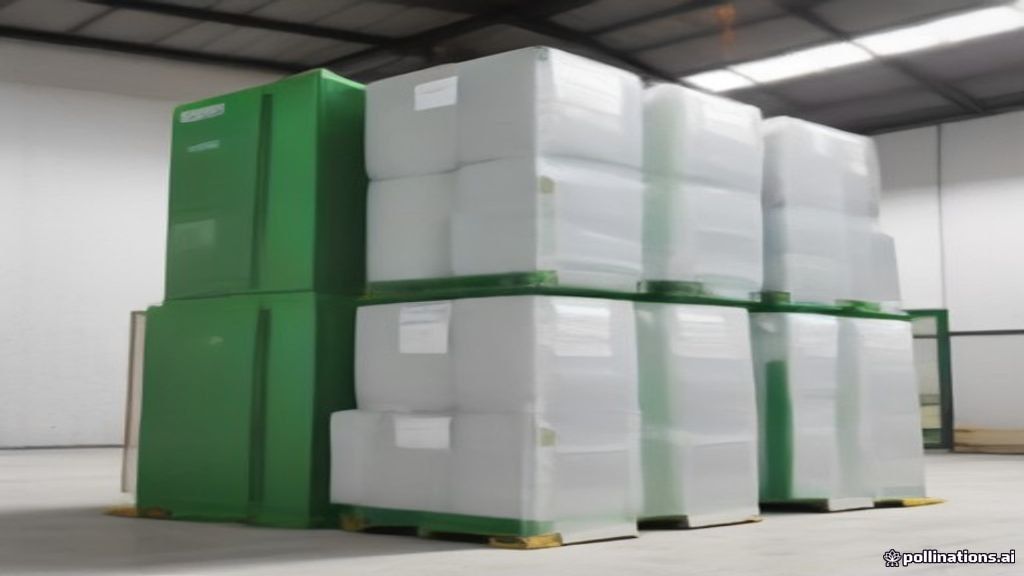
The current standard baled cardboard scrap price per ton generally ranges between $30 and $110 per ton for clean Old Corrugated Containers (OCC #11 grade), depending on regional paper mill demand, export capacity, and monthly commodity index shifts. Commercial recycling processors typically pay business clients via direct deposit (ACH) or company check on Net-15 or Net-30 payment terms, though select local yards offer immediate check payments for delivered loads. Qualifying for commercial baled pricing requires accumulating high-density, wire-bound cardboard bales that meet standard weight and size dimensions set by industrial recycling centers.
Understanding Baled Cardboard Scrap Price per Ton and Pay Structure
Cardboard recycling valuation operates on a wholesale commodity scale. Unlike retail drop-offs for scrap metals or local buy-back initiatives, regional paper mills and recycling brokers base their purchase rates on official trade publications such as the Official Board Markets (OBM) Yellow Sheet. Prices shift on a monthly cycle based on packaging demand, domestic paper mill operational capacity, and global export markets.
Businesses collecting commercial packaging material often pair cardboard salvage with selling wooden pallets for cash to maximize freight margins when clearing distribution warehouse spaces. Similar to commodity pricing models seen in heavy melting steel scrap rates, paper market benchmarks fluctuate based on industrial output and raw material demand across different domestic supply regions.
| Material Category / Quantity | Typical Pay Range (Per Ton) | Payment Schedule & Method | Key Requirements |
|---|---|---|---|
| Standard Baled OCC #11 (Mill Grade) | $40 – $110 | Net-15 to Net-30 via ACH or Check | Density ≥ 30 lbs/cu ft; moisture < 12%; wire-bound; zero trash |
| Low-Density / Mini Bales (Vertical Baler) | $25 – $65 | Net-15 or On-Site Check | Weight 400–700 lbs; minimal plastic tape; clean corrugated only |
| Contaminated / Mixed Cardboard (OCC #10) | $10 – $35 (or rejection) | Net-30 post-grade audit | Includes chipboard, minor paperboard, or higher moisture levels |
| Loose / Unbaled Commercial Cardboard | $0 – $20 (often fee-based) | Immediate or Monthly Invoice | Requires yard labor to compact; usually charged haul-away fees |
Step-by-Step Guide to Monetizing Commercial Baled Cardboard
Step 1: Secure High-Volume Sourcing Agreements
Because cardboard yields low value per pound compared to non-ferrous scrap metals, profit depends entirely on volume density. Target regional retail centers, distribution hubs, appliance stores, or manufacturing plants that generate thousands of pounds of clean shipping boxes weekly. Establish collection arrangements where you provide scheduled pickup services in exchange for retaining full ownership of the scrap waste stream.
Step 2: Sort and Grade to Avoid Contamination Deductions
Paper mills strictly enforce the OCC #11 industry standard. To secure top-tier pricing, remove all internal packing materials, including expanded polystyrene (Styrofoam), air pillows, bubble wrap, wood debris, and heavy strapping tape. Avoid processing wax-coated produce boxes, food-soiled pizza boxes, or water-damaged corrugated sheets, as recyclers will reject entire loads or apply severe dollar-per-ton penalty deductions for non-recyclable content.
Step 3: Compress Cardboard Using Standard Commercial Balers
Loose cardboard requires too much shipping space to haul profitably. You must use a high-density vertical or horizontal commercial baler. Standard vertical mill balers (such as 60-inch models) produce bales measuring 60x30x48 inches and weighing between 800 and 1,100 pounds. Producing high-density bales ensures you fit 20 to 22 tons onto a standard 53-foot dry van trailer, minimizing freight costs per ton delivered.
Step 4: Establish Accounts with Paper Mills or Freight Brokers
Contact local recycling processors, waste management aggregators, or independent paper brokers to open a commercial vendor account. Most brokers require a minimum delivery volume—frequently a full truckload (18 to 22 bales, or approximately 20 tons)—to schedule a freight pickup. If operating with smaller quantities, arrange a drop-off agreement with a local recycling yard equipped with a certified truck scale.
Fees, Payout Minimums, Payment Delays, and Taxes
Operating a cardboard recycling business involves specific operational costs and administrative requirements that impact net earnings:
- Freight & Transportation Costs: Freight charges are the primary expense in cardboard arbitrage. Hauling a 53-foot flatbed or dry van can cost between $150 and $400 for local short hauls. If your load weighs only 10 tons instead of 20 tons due to loose baling, freight costs will cut deep into your margin per ton.
- Baling Wire and Equipment Overhead: Industrial baling wire (12-gauge or 14-gauge single-loop ties) costs approximately $2.00 to $4.00 per bale. Baler lease payments, preventive maintenance, and electricity add overhead costs that must be factored into your per-ton calculation.
- Weight Minimums & Settlement Terms: Direct-to-mill programs usually mandate 15 to 20 tons minimum per pickup. Independent brokers issue settlement sheets showing gross, tare, and net scale weights within 5 business days, with final funds released via ACH or corporate check within 15 to 30 days.
- Tax Reporting Guidelines: In the United States, commercial earnings from selling scrap cardboard are subject to business income taxation. If operating as an independent collector or business, buyers will issue a Form 1099-NEC or 1099-MISC if annual payouts exceed federal reporting thresholds ($600). Similar commercial tax reporting requirements apply in Canada, the UK, and Australia. Consult a qualified tax professional regarding deductible mileage, machinery depreciation, and freight expenses.
Red Flags, Scams, and Common Waste Mistakes
Avoid these operational errors that frequently result in rejected loads, financial penalties, or uncollected revenue:
- Excessive Moisture Content: Cardboard absorbs ambient humidity rapidly. Paper mills test incoming loads with moisture meters. If average moisture exceeds 12%, the yard will deduct the weight equivalent from your payout; if moisture exceeds 18% to 20%, mills often reject the entire trailer due to rot and fire risks during long-term outdoor storage.
- Plastic Packaging Contamination: Leaving shrink wrap, plastic banding, or foam inserts inside boxes before baling is the most common cause for mill downgrades. Contaminated bales are downgraded from OCC #11 to mixed paper (OCC #10), reducing payout rates by 40% to 70%.
- Structural Wire Failures: Using undersized wire or tying improper knots can cause bales to snap during forklift transport or stack loading. Recycling yards will charge significant break-bale fees (often $25 to $50 per broken bale) to re-bale the spilled loose cardboard.
- Unverified Weight Receipts: Always ensure your transport vehicle or trailer uses a certified scale (Public Certified Automated Scale or yard scale with current state calibration seals) before and after unloading to prevent scale discrepancies.
Frequently Asked Questions
How much does a single commercial bale of cardboard weigh?
A standard bale produced by a standard 60-inch vertical industrial baler weighs between 800 and 1,200 pounds (roughly 0.4 to 0.6 tons). Larger horizontal automated balers produce mill-sized bales weighing 1,300 to 1,800 pounds each.
Can individuals sell loose cardboard for cash at local scrap yards?
Most industrial scrap yards do not purchase loose cardboard from residential individuals because the labor cost to handle and compress loose material exceeds its market value. Most facilities only pay for cardboard brought in high-density baled form or delivered in multi-ton commercial loose drop-boxes.
Why do cardboard scrap prices fluctuate every month?
Cardboard is a global commodity tied to consumer shipping volume, industrial manufacturing output, and international paper mill capacity. Monthly fluctuations mirror changes in supply and demand published across regional paper industry index reports.
How many bales are required to make a full truckload for direct sale?
A standard 53-foot dry van trailer typically holds 38 to 44 standard 60-inch bales stacked two high. Assuming an average weight of 1,000 pounds per bale, a full truckload delivers between 19 and 22 net tons of cardboard material.
Verdict: Who Should Pursue Baled Cardboard Arbitrage?
Monetizing baled cardboard is an ideal enterprise for warehousing operations, commercial logistics providers, or established scrap collectors who already possess heavy machinery, storage space, and dedicated freight transport. It is not suitable for casual gig workers or individuals lacking commercial baling equipment, as loose cardboard holds virtually no standalone resale value at scale.
If you have access to consistent packaging waste streams, your best first step is to contact three local paper recycling brokers or industrial waste management yards. Request their current OCC #11 specifications, pickup weight minimums, and settlement term schedules before investing in baling machinery or signing commercial collection contracts.
Related Guides
Last updated: October 10, 2026. Pay rates, bonuses and eligibility rules change often, so always confirm the current details on the official website before you sign up.


