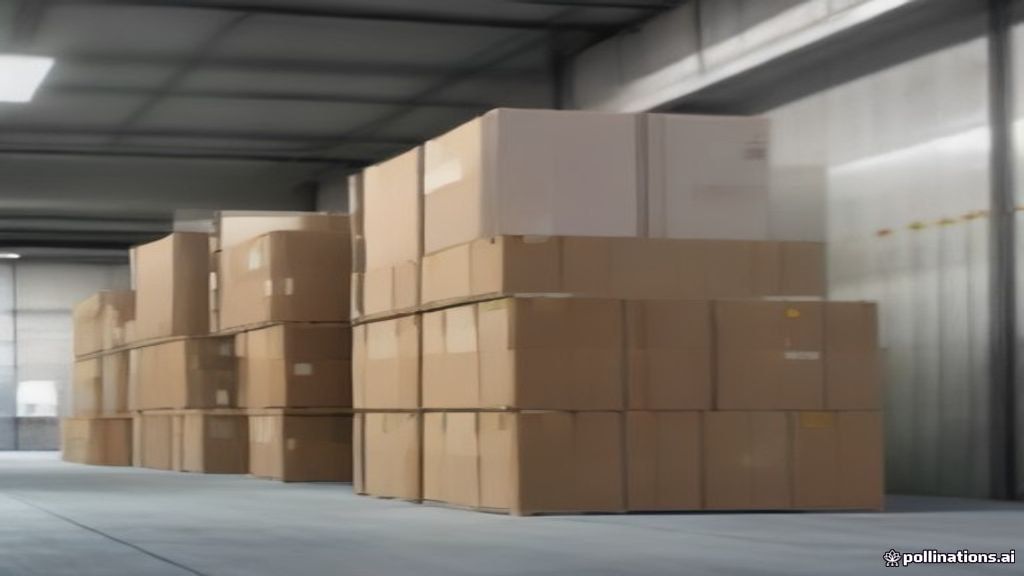
Clean, reusable heavy-duty bulk cardboard containers—industrially known as Gaylord boxes—currently command cash resale values between $8.00 and $35.00 per box on the secondary market. Sourcing surplus corrugated bulk boxes from local manufacturing plants or distribution centers and reselling them to packaging suppliers, harvesters, or fulfillment operations generates average net profit margins of $500 to $2,500 per full truckload load. For independent scrappers and side-hustle operators with basic haulage capability, Gaylord box arbitrage yields an effective earnings rate of $45 to $90 per hour.
Detailed Payout Rates & Earnings Breakdown
Unlike standard single-wall shipping boxes that are processed purely as loose bulk Old Corrugated Containers (OCC) scrap material for pennies per pound, intact Gaylord boxes derive their value from structural reuse. The payout you receive per box depends on wall thickness (ply rating), box dimensions, bottom flap configuration, and physical condition grade.
The standard baseline benchmark for commercial buying and selling is a 48″ x 40″ x 36″ (or 40″ depth) box designed to fit perfectly on a standard wooden pallet. The table below outlines real-world procurement costs, market resale values, and potential margins across major industrial box tiers.
| Gaylord Box Construction & Tier | Procurement Cost (Buy) | Wholesale Resale Value (Sell) | Net Margin (Per Box) | Primary Target Buyers |
|---|---|---|---|---|
| 3-Wall Standard (Full Flap Bottom) | $0.00 – $3.00 | $8.00 – $14.00 | $8.00 – $11.00 | E-commerce sorters, light scrap collectors, textile recyclers |
| 4-Wall Heavy Duty (Octagonal / Rectangular) | $1.00 – $5.00 | $15.00 – $22.00 | $14.00 – $17.00 | Plastic resin molders, auto part suppliers, produce growers |
| 5-Wall Extra Heavy Duty (Resin Box) | $2.00 – $7.00 | $24.00 – $35.00 | $22.00 – $28.00 | Heavy metal stampers, bulk chemical processors, exporters |
| Food-Grade Clean (4-Wall with Liner) | $2.00 – $6.00 | $18.00 – $28.00 | $16.00 – $22.00 | Agricultural packing plants, grain storage, commercial bakeries |
| Damaged / Unusable (OCC Scrap Rate) | $0.00 | $0.03 – $0.06 / lb ($60–$120/ton) | Minimal | Commercial paper recycling mills, scrap yards |
Understanding Physical Grades and Structural Classifications
To maximize payouts and build long-term commercial accounts, you must accurately categorize inventory based on the following industry standards:
- Grade A Condition: Box is structurally pristine, has no structural creases or torn corner seams, exhibits zero moisture exposure, and includes fully intact bottom flaps or slip-sheets. Commands maximum retail and wholesale value.
- Grade B Condition: Structurally sound with minor cosmetic blemishes, slight outer ply scuffs, tape residue, or minor print labels on the exterior. Retains approximately 70% to 80% of top-tier resale value.
- Grade C / Unusable Scrap: Suffers from split seam corners, oil or liquid saturation, major punctures, or structural crushing. These boxes cannot be safely stacked when loaded and must be collapsed down for loose OCC mill recycling scrap value.
Step-by-Step Practical Blueprint
Flipping industrial packaging requires zero upfront licensing in most jurisdictions, but success depends on finding reliable suppliers who view bulk boxes as expensive disposal headaches and buyers who need low-cost packaging alternatives.
Step 1: Secure Supply Sources (Procurement Pipelines)
Target local commercial facilities that receive raw materials in bulk quantities but ship out smaller finished consumer goods. These businesses often pay for trash compactors or dumpster pulls to remove empty containers:
- Plastic Injection Molding Shops: Receive raw plastic pellets in heavy 4-wall or 5-wall octagonal Gaylords. They produce millions of empty boxes monthly and frequently give them away for free to keep loading docks clear.
- Commercial Bakeries & Food Manufacturers: Receive flour, sugar, or ingredients in food-grade 3-wall or 4-wall containers.
- Distribution & Fulfillment Centers: Accumulate mixed packaging from incoming supplier shipments.
Pitch warehouse managers with a straightforward value proposition: “I will provide a scheduled, free pickup service for all your intact, reusable Gaylord boxes, clearing your dock space and cutting your waste disposal bill.”
Step 2: Inspect, Flatten, and Staging Logistics
Do not transport expanded, fully open Gaylord boxes unless you are hauling a high-cube 53-foot dry van. A standard 16-foot box truck can hold only about 20 expanded boxes, but it can hold up to **150 to 200 flattened, breakdown boxes** when stacked vertically and banded onto wooden skids.
- Remove internal poly liners and discard any non-cardboard trash.
- Cut external tape seals clean without slicing through the underlying cardboard plies.
- Fold the walls flat along existing manufacturer creases.
- Stack 25 to 30 matching flat boxes onto a standard 48×40 wooden pallet, and use a manual banding tool with plastic strapping to secure the bundle tightly for transport.
Step 3: Establish B2B Buyer Channels & Close Resale Deals
Avoid selling boxes one-by-one to individuals on consumer marketplaces unless you are charging a heavy premium ($25 to $40 cash per box for small orders). Instead, build ongoing commercial sales relationships with buyers who take full pallet loads:
- Regional Packaging Brokers: Companies like UsedGaylordBoxes, Reusable Packaging Exchange, or local packaging distributors regularly buy bundled Gaylord pallets in quantities of 50 to 500 units.
- Local Scrap Metal Collectors & E-Waste Recyclers: They require rigid 3-wall and 4-wall boxes to store heavy copper, brass, shred metal, and circuit boards on their warehouse floors.
- Agricultural Producers: Farms and orchards buy hundreds of produce-grade boxes seasonally during harvest cycles for pumpkins, melons, squash, and apples.
Hidden Costs, Taxes & Legal Realities
While the gross profit margins per container appear massive, operating an industrial box reselling venture involves real overhead costs that directly impact your net bottom line.
Freight, Fuel, and Vehicle Expenses
Transportation expenses represent the largest operational drain. A standard 1/2-ton or 3/4-ton pickup truck equipped with a 12-foot trailer can haul approximately 50 to 75 flattened Gaylords per trip. Fuel costs, trailer tire wear, and heavy-duty tie-down straps must be factored into your per-unit pricing. If you step up to a CDL-required box truck or flatbed, factor in higher commercial insurance rates and routine preventative maintenance.
Dry Storage Requirements
Corrugated cardboard degrades rapidly when exposed to humidity, rain, or direct ground moisture. A single heavy rainstorm can destroy thousands of dollars in flat box inventory within minutes by softening the fluting structure. You must secure dry warehouse space, a sea-can container, or a fully covered box trailer for inventory staging. Factor local commercial storage costs ($100 to $500 per month depending on footprint) into your break-even calculations.
IRS Tax Structure & Business Documentation
If you operate as a sole proprietor or LLC selling to registered commercial businesses, your buyers will typically issue payments via check, ACH, or electronic transfer, triggering IRS 1099-NEC reporting for payouts over $600 annually.
- Maintain clear mileage logs, fuel receipts, and equipment purchase invoices (pallet jacks, strapping tools, utility knives) to offset gross income on Schedule C (Form 1040).
- Obtain a state-issued **Resale Certificate / Sales Tax Exemption Permit**. This allows you to purchase surplus packaging inventory from liquidators without paying upfront state sales tax, provided you resell the items downstream.
Common Mistakes & Red Flags to Avoid
- Accepting Chemical or Contaminated Containers: Never acquire boxes that contained hazardous materials, industrial solvents, toxic powders, or leaking oils. These containers pose health hazards, spoil nearby clean inventory, and are strictly rejected by packaging brokers and food-handling clients.
- Mismatched Wall Counts in a Single Bundle: Do not mix 3-wall, 4-wall, and 5-wall boxes within the same strapped pallet pack. Industrial buyers order specific box ratings to prevent bottom-wall blowouts during forklift stacking. Delivering a mixed bundle leads to rejected loads and unpaid invoices.
- Overestimating Storage Weight Capacity: A standard 3-wall box holds roughly 1,000 to 1,500 lbs, whereas a heavy 5-wall resin box holds up to 4,000 lbs stacked. Selling a lighter 3-wall box to an industrial scrap dealer loading heavy brass fittings will result in structural failure and customer loss.
- Failing to Verify Forklift Loading Access: Before accepting a massive haul from a corporate facility, verify whether they have a dock-height loading bay and forklift operators to load your trailer. Hand-loading 100 heavy 5-wall boxes off the ground takes hours of manual labor and eats directly into your hourly earnings rate.
Frequently Asked Questions
How much money can you make flipping Gaylord boxes per month?
A solo operator running a part-time route picking up surplus boxes 2 to 3 days per week typically clears $1,500 to $4,000 in net profit per month. Full-time operators with box trucks, warehouse storage space, and established industrial broker contracts can generate $8,000 to $15,000+ per month in gross revenues by turning over multiple truckload quantities.
What is the difference between Grade A and Grade B Gaylord boxes?
Grade A boxes are functionally pristine with zero structural damage, clean edges, and no internal residual material, fetching maximum market value ($15 to $35+ depending on ply). Grade B boxes show minor cosmetic wear, light surface creasing, tape strips, or corporate logos, but remain structurally sound. Grade B boxes usually sell at a 20% to 30% discount compared to Grade A inventory.
Where can I sell used Gaylord boxes near me?
The fastest buyers for wholesale quantities include regional commercial packaging supply yards, local scrap metal recycling yards (who use them internally), e-waste processors, local agricultural supply cooperatives, and nationwide online packaging liquidators such as UsedGaylordBoxes.com or the Reusable Packaging Exchange.
Final Verdict & Practical Advice
- Start Local Before Scaling Overhead: Begin by utilizing existing pickups, vans, or small utility trailers to source 20 to 50 boxes at a time from local manufacturing parks before committing to warehouse leases or commercial truck investments.
- Invest in Essential Packing Equipment: Buy a high-quality manual strapping kit ($80–$150) featuring heavy-duty polypropylene banding, metal crimps, and a tensioner tool. Neat, tightly banded pallets of 25 flat boxes look professional and command top-dollar B2B pricing.
- Solve Waste Problems to Secure Free Supply: Frame your sourcing pitches around waste reduction and dock management. Offering reliable, free, scheduled removals of empty boxes turns a costly liability for local factories into a consistent cash engine for your business.


