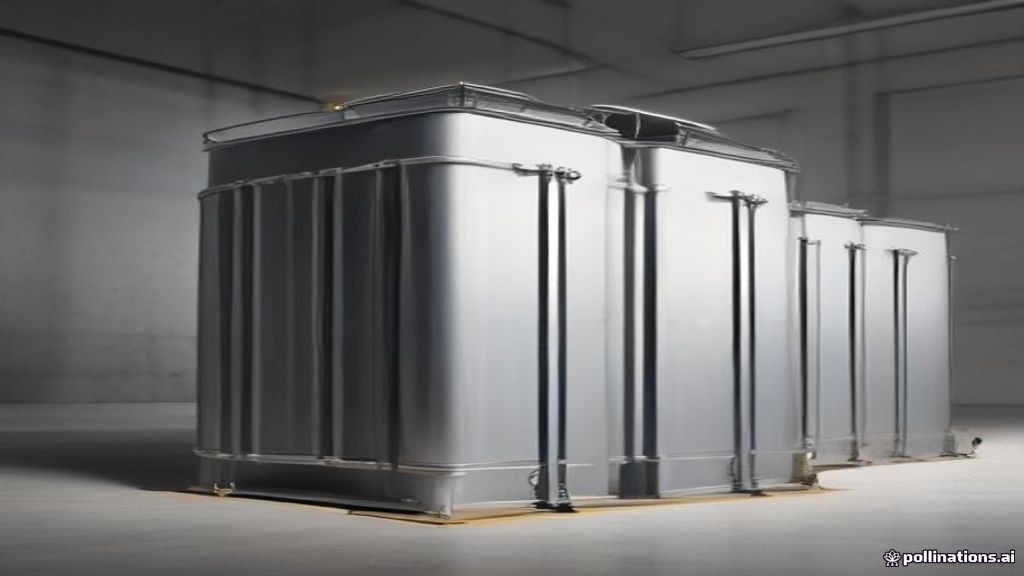
Selling standard 275-gallon IBC (Intermediate Bulk Container) totes yields between $75 and $160 net profit per unit when reselling washed, non-toxic containers, and $20 to $45 for raw, uncleaned units. Part-time aggregators hauling 8 to 12 totes per weekend typically generate $600 to $1,500 in weekly gross profit, while full-time commercial arbitragers flipping reconditioned totes to agricultural and industrial buyers can earn $4,000 to $8,000 monthly. Ultimate earnings depend on tote grade (food-grade vs. industrial chemical), bladder transparency, valve functionality, and localized demand.
Detailed IBC Tote Resale Rates & Earnings Breakdown
The resale value of an IBC tote depends heavily on its previous contents, container volume (275 vs. 330 gallons), cage condition, and cleanliness. Food-grade totes—those originally holding syrups, vegetable oils, vinegar, or food ingredients—command the highest profit margins because they can be easily cleaned and repurposed for livestock watering, rainwater harvesting, aquaponics, or pressure-washing rigs.
Below is a realistic pricing chart based on current US secondary industrial container market averages:
| Tote Category & Condition | Average Sourcing Cost | Resale Value (Per Unit) | Net Profit Margin | Target Buyer Market |
|---|---|---|---|---|
| Raw Food-Grade (Unwashed, Sticky Syrup/Oil) | $0 – $25 | $65 – $95 | $40 – $70 | Farms, Aquaponics DIYers, Aggregators |
| Pressure-Washed Food-Grade (275-Gal, Clear) | $0 – $20 | $110 – $160 | $90 – $140 | Off-Grid Homesteaders, Mobile Detailing, Pressure Washers |
| Pressure-Washed Food-Grade (330-Gal, Heavy Duty) | $10 – $30 | $145 – $210 | $115 – $180 | Commercial Farmers, Livestock Operations, Dust Control |
| Raw Chemical-Grade (Unwashed, Non-Hazmat) | $0 – $10 | $30 – $55 | $20 – $45 | Septic Haulers, Industrial Scrap, Waste Liquid Storage |
| Steel Cage Only (Bladder Damaged/Removed) | $0 – $5 | $40 – $70 | $35 – $65 | Firewood Sellers (Firewood Totes), Scrap Yards |
| Cut-Down Plastic Bladder (Trough / Planter) | $0 (Salvaged) | $25 – $45 | $25 – $45 | Gardeners, Raised-Bed Planters, Cattle Feeders |
Step-by-Step Practical Blueprint: How to Flip IBC Totes for Maximum Profit
Step 1: Locate and Secure Consistent Free or Cheap Supply Chains
To maximize margins, you must acquire totes for under $25 per unit—or ideally, for free. Industrial manufacturers, commercial bakeries, flavor production plants, beverage bottlers, and local chemical distributors pay substantial fees to industrial waste haulers to clear surplus containers from their loading docks. Position your business as a free or low-cost pickup solution.
- Target Commercial Bakeries & Bottlers: Call plant managers or logistics coordinators at food processing plants. Ask if they have “single-use liquid totes” taking up warehouse space. High-fructose corn syrup, canola oil, and liquid yeast totes are ideal targets.
- Scour Regional Classifieds Daily: Set up automated alerts on Facebook Marketplace and Craigslist for terms like “IBC tote,” “275 gallon tank,” “cage tote,” and “water container.” Commercial contractors frequently give away chemical totes just to clear jobsites.
- Target Chemical & Detergent Distributors: Car washes, commercial laundries, and water treatment operations receive liquid soap and surfactants in non-hazardous totes. These are easy to rinse and flip to non-food commercial buyers.
Step 2: Decode the UN Marking Code and Inspect the Container
Before purchasing or picking up any tote, inspect the manufacturer’s identification plate attached to the steel cage and molded into the inner High-Density Polyethylene (HDPE) plastic bottle. You must verify whether the tank was used for hazardous material.
- Check the UN Certification Code: A typical code looks like
UN 31HA1/Y/05 23/USA/.... If the code contains a “X” or “Y” packing group designation combined with a hazard class symbol, the tote contained hazardous chemicals (Class 3 flammables, Class 8 corrosives, or Class 6 toxics). Avoid these unless you have specialized industrial decontamination equipment and toxic rinse-water collection systems. - Look for the Food Grade Symbol: Search for the “Fork and Glass” symbol molded onto the bladder, or review the original product label (e.g., Molasses, Soy Lecithin, Propylene Glycol USP).
- Check Mechanical Integrity: Inspect the bottom outlet valve (typically a 2-inch NPT or S60x6 buttress thread ball/butterfly valve) for cracks. Ensure the top fill port cap (usually 6-inch or 9-inch) is intact and the galvanized steel cage frame is not crushed or severed.
Step 3: Recondition, Wash, and Upgrade the Tote
Unwashed totes sell for moderate prices, but fully washed, odor-free, non-toxic totes sell for double or triple. Converting a dirty tote into a ready-to-use water storage unit requires a basic reconditioning process:
- Initial Drain & Scrape: Tilt the tote on a slight incline and drain all residual liquid into a waste container. Never dump concentrated chemicals or organic syrups into public storm drains.
- Hot Water & Degreaser Pressure Wash: Use an industrial gas pressure washer (3,000+ PSI) combined with a hot water heater attachment or eco-friendly citrus-based degreaser. Insert the pressure wand through the top opening, spinning it to scour all four interior plastic walls and remove sticky residue.
- Rinse and Dry: Perform a final rinse with clean water. Invert the tote on a wooden pallet or use a wet-vac to eliminate standing water in the bottom sump. A damp interior invites algae and bacterial bloom within days under sun exposure.
- Install Value Additions: Consider pre-installing a standard $10 brass garden hose adapter onto the main 2-inch valve. Adding a $10 adapter allows you to mark up the tote’s price by $25 to $30, offering immediate plug-and-play value to homeowners and farmers.
Step 4: Market and Sell to Local Niche Buyers
List your inventory across multiple regional channels. Frame your listing title clearly based on buyer intent:
- For Homesteaders / Gardeners: Use keywords like “Clean Food Grade 275-Gal IBC Water Tote – Rain Barrel / Aquaponics Ready”. Price at $125 – $150.
- For Mobile Detailing / Pressure Washers: Use keywords like “275 Gallon Water Rig Tank – Heavy Duty Cage – Mobile Wash”. Price at $120 – $140.
- For Construction / Dust Control: Use keywords like “330 Gallon Industrial Water Container – Site Storage”. Price at $140 – $180.
- For Firewood Operators: Cut the top off damaged bladders or remove them entirely to market the cages as “Heavy Duty Mesh Firewood Stacking Totes”. Firewood sellers love these because they allow 360-degree airflow for seasoning wood and can be moved easily with forklift tines. Price at $45 – $60 each.
Hidden Costs, Taxes & Legal Realities
Operating an IBC tote arbitrage side hustle or full-time enterprise involves operational costs and legal requirements that directly impact your net baseline profit:
- Environmental & EPA Rinse-Water Disposal Rules: Federal EPA guidelines under the Resource Conservation and Recovery Act (RCRA) strictly regulate washwater disposal. You cannot allow wastewater containing oils, chemicals, or concentrated soaps to enter municipal storm sewers. Installing a simple catchment system or operating at a commercial car wash bay with oil-water separators is mandatory to prevent massive municipal fines.
- DOT Transportation Regulations: Empty IBC totes are lightweight (approx. 115 to 135 lbs for a 275-gallon unit), but they are extremely bulky. A standard 8-foot pickup truck bed can safely hold only two totes upright. To carry 8 to 12 totes per trip, you need a 16-foot or 20-foot utility trailer equipped with heavy-duty ratchet straps. Under Federal Motor Carrier Safety Administration (FMCSA) rules, improperly secured cargo carries fines exceeding $500 per violation.
- Self-Employment & Income Taxes: If you collect payments via Venmo, Zelle, CashApp, or credit card processing apps (e.g., Square), platforms report gross earnings exceeding federal thresholds on Form 1099-K. You are subject to Federal Self-Employment Tax (15.3%) plus applicable state and local income taxes. Keep meticulous records of fuel mileage, trailer maintenance, pressure washer fuel, and detergent purchases as deductible business expenses on IRS Schedule C.
Common Mistakes & Red Flags to Avoid
- Failing to Identify Toxic Contaminants: Never accept totes that previously held concentrated pesticides, heavy fungicides, herbicides (like glyphosate formulations), or strong solvents (like toluene or MEK). High-Density Polyethylene is porous at a microscopic level; dangerous chemicals leach into the plastic walls and continuously contaminate liquid stored in them later.
- Ignoring Valve Size & Thread Mis-Matches: Buyers will ask what thread pattern the bottom valve uses. The two most common are **2-inch Fine Thread (NPT)** and **2-inch Coarse Buttress Thread (S60x6)**. If you sell a buyer a buttress valve tote without clarifying, standard garden hose fittings will not screw on. Keep thread conversion adapters in stock to avoid returns and angry customers.
- Underestimating Wind Drag and Cargo Weight: Empty totes act like giant sails on an open trailer. Secure every tier with minimum 2-inch commercial ratchet straps tied directly to the trailer frame. Never rely on cheap bungee cords or thin rope.
- Misrepresenting Chemical Totes as “Food Grade”: Claiming a rinsed detergent or industrial tote is “food grade” or “safe for drinking water” exposes you to severe legal liability if a buyer’s livestock dies or a family gets sick. Unless you have original chemical documentation or provenance from a certified food manufacturing plant, list the container strictly as “Non-Potable Water / Utility Use Only.”
Frequently Asked Questions
How can you definitively tell if an IBC tote is food grade?
Look for an original manufacturer label stating food-grade contents (such as corn syrup, liquid sugar, wine, juice, or vegetable oil), or inspect the bladder for the international “Glass and Fork” food-safe symbol embossed in the plastic. If the tote lacks labeling or has a UN hazard marking for Class 3, 6, or 8 substances, it cannot be classified as food grade regardless of how clean it looks.
How much does a 275-gallon IBC tote weigh empty vs. full?
An empty 275-gallon IBC tote with a standard steel cage weighs between **115 and 135 pounds** (52 to 61 kg). When filled completely with plain water (which weighs 8.34 lbs per gallon), the total weight reaches approximately **2,420 pounds** (1,097 kg). Always warn buyers that a full tote requires a reinforced concrete pad, heavy timber framing, or direct placement on solid ground.
Do I need a commercial driver’s license (CDL) to haul empty IBC totes for resale?
No, a CDL is not required simply for hauling empty, non-hazardous IBC totes on a standard pickup and utility trailer combo, provided your total Gross Combined Weight Rating (GCWR) stays under 26,001 pounds. However, you must adhere to standard DOT cargo securement rules, ensuring all totes are tightly strapped down and do not extend beyond the legal width limits of the trailer (typically 8.5 feet).
Final Verdict & Practical Advice
- Start Small with Local Farms and Homesteaders: Begin by sourcing 3 to 5 totes from local classifieds or light industrial parks. Wash them thoroughly, add a inexpensive $10 hose adapter, and post them on local agricultural buying groups to validate demand in your immediate 30-mile radius.
- Never Compromise on Provenance and Safety: Protect your business reputation by strictly categorizing your inventory. Always label washed chemical totes as “Utility Water Only” and reserve top-tier pricing exclusively for verified food-grade units.
- Systematize Your Wash and Storage Area: Profitability in tote flipping relies on turnaround speed. Set up a dedicated wash area with hot water capabilities, a sump pit or water catchment system, and proper rigging to drain totes in minutes rather than hours.


