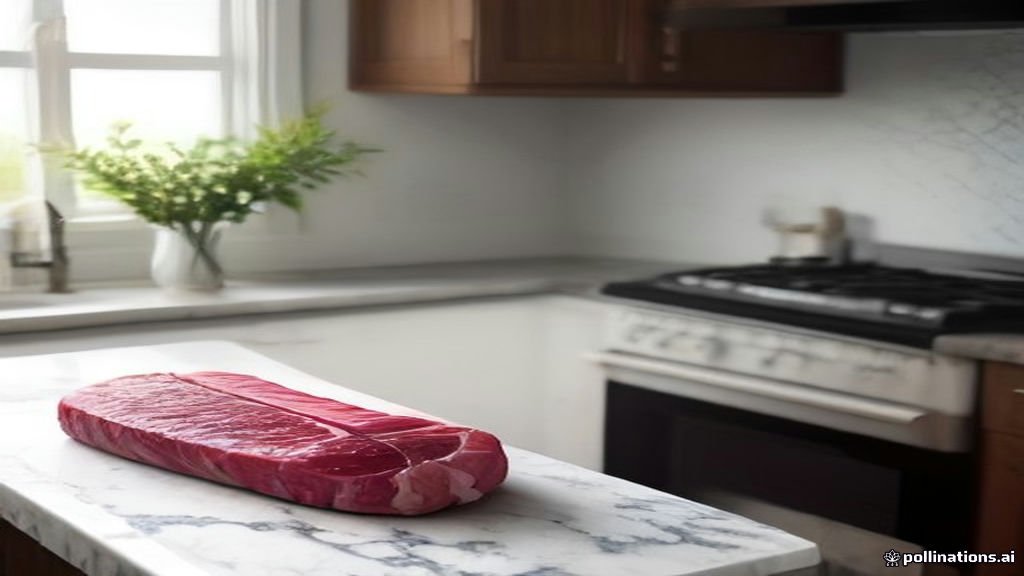
While evaluating whether is grass fed beef healthier yields clear evidence of superior fatty acid profiles and higher micronutrient density, the overall health benefit depends heavily on lean-to-fat ratios and broader dietary habits. Grass-fed beef provides significantly higher levels of omega-3 fatty acids, conjugated linoleic acid (CLA), and antioxidant precursors compared to conventional grain-fed beef, though it carries a 30% to 70% retail price premium. For health-conscious shoppers budgeting grocery costs and local agricultural producers analyzing direct-to-consumer profit margins, understanding these precise dietary and financial differences is essential in 2026.
Is Grass Fed Beef Healthier Than Grain-Fed Alternatives?
Determining whether grass-fed cattle produce a measurably healthier product requires looking at what animals eat throughout their lifetime. All cattle spend the first several months of their lives grazing on pasture and drinking mother’s milk. The distinction arises during the “finishing” phase, which typically occupies the final four to eight months before slaughter. Conventional cattle are moved to feedlots where they receive grain-based rations primarily composed of corn, soy, and agricultural byproducts designed to maximize rapid weight gain and intramuscular fat marbling. Grass-fed cattle remain on pasture or are fed harvested forage, such as hay and silage, for their entire lives.
This stark difference in diet directly transforms the metabolic profile and nutritional structure of the resulting meat. According to published agricultural research and food composition database analyses, forage-based diets alter the lipid pathways within ruminant animals. Grass-fed beef consistently exhibits lower total overall fat content per serving when comparing identical muscle cuts. When cattle consume green forage rich in chloroplasts, they absorb elevated quantities of alpha-linolenic acid (ALA), carotenoids, and vitamin isomers, which are transferred into the muscle tissue.
However, framing grass-fed beef as a mandatory nutritional requirement over standard grain-fed beef requires balanced context. Both options remain rich sources of high-quality bioavailable protein, bioavailable heme iron, zinc, selenium, and vitamin B complex (particularly B12 and niacin). While grain-fed beef contains higher overall fat levels and a less favorable omega-6 to omega-3 ratio, it still provides identical protein density and crucial trace minerals. For consumers who trim visible fat or select lean ground beef formulations (such as 90/10 or 93/7), the practical health differences narrow considerably.
From a public health perspective, dietary organizations emphasize that total calorie intake, saturated fat management, and overall dietary balance play a larger role in cardiovascular wellness than the diet of the beef alone. Nevertheless, for individuals seeking to minimize inflammatory omega-6 intake, increase dietary antioxidants, or eliminate feedlot antibiotics and subtherapeutic additives from their food supply, grass-fed beef presents documented physiological advantages.
Nutritional Breakdown: Fatty Acids, Omega-3s, and Antioxidants
The nutritional differences between grass-fed and conventional grain-fed beef are rooted in lipid biochemistry and micronutrient storage. When cattle feed exclusively on living pasture, their lipid tissues accumulate distinct fatty acid structures that persist through harvest and processing. Below is a comparative overview based on typical 100-gram (3.5 ounce) raw ground beef samples adjusted for equivalent lean ratios.
| Nutritional Parameter | 100% Grass-Fed Beef | Conventional Grain-Fed Beef | Nutritional Significance |
|---|---|---|---|
| Omega-3 Fatty Acids | 50 mg – 80 mg | 15 mg – 30 mg | Grass-fed provides 2x to 3x higher ALA and long-chain omega-3 content. |
| Omega-6 to Omega-3 Ratio | 1.5:1 to 3:1 | 7:1 to 15:1 | Lower ratios support an anti-inflammatory dietary profile. |
| Conjugated Linoleic Acid (CLA) | 25 mg – 50 mg | 10 mg – 20 mg | Grass-fed offers 2x to 3x more CLA, linked to cellular health support. |
| Beta-Carotene (Vitamin A Precursor) | 0.3 mcg – 0.6 mcg | 0.05 mcg – 0.1 mcg | Higher carotenoids give grass-fed fat a distinct yellowish tint. |
| Alpha-Tocopherol (Vitamin E) | 0.8 mg – 1.2 mg | 0.2 mg – 0.4 mg | Grass-fed supplies up to 3x higher Vitamin E, protecting lipid oxidation. |
| Saturated Fat Composition | Higher Stearic Acid ratio | Higher Palmitic Acid ratio | Stearic acid has a neutral effect on blood plasma LDL cholesterol levels. |
The key nutritional distinction lies in the essential fatty acid ratio. Western diets routinely feature an imbalanced omega-6 to omega-3 ratio, often ranging between 15:1 and 20:1, due to heavy reliance on seed oils and grain-based animal products. Health authorities generally recommend a ratio closer to 4:1 or lower. Grass-fed beef naturally aligns with this recommended window, providing a balanced ratio without requiring industrial processing or artificial fortification.
Another major difference is Conjugated Linoleic Acid (CLA), a naturally occurring trans-fatty acid produced by ruminant microbes during the digestion of fresh pasture. Unlike industrial trans-fats created via partial hydrogenation, naturally occurring CLA from pasture-raised animals is studied for its beneficial roles in lipid metabolism, insulin sensitivity, and immune function. Grass-fed beef contains two to three times the CLA content of feedlot beef.
Micronutrient levels also diverge significantly. Living plant tissue is abundant in beta-carotene and alpha-tocopherol. As cattle consume grass, these fat-soluble antioxidants concentrate in animal lipid stores. This gives grass-fed beef fat a creamy or slightly yellow appearance compared to the bright white fat typical of grain-fed beef. These antioxidants serve a double purpose: they deliver essential vitamins to the human consumer and serve as natural preservatives that stabilize fatty acids against rancidity during dry-aging and storage.
Price Premium Analysis: What Grass-Fed Cattle Costs Consumers and Farmers
The decision to buy or produce grass-fed beef comes down to economic realities. On grocery store shelves across the United States, United Kingdom, Canada, and Australia, grass-fed beef commands a significant price premium over standard grain-fed cuts. Ground grass-fed beef typically retails between $7.50 and $11.00 per pound in the US, compared to $4.00 to $6.50 per pound for conventional ground beef. Whole-muscle steaks, such as ribeye or New York strip, can reach $18.00 to $28.00 per pound for grass-fed cuts, compared to $11.00 to $17.00 per pound for conventional USDA Choice cuts.
This premium is not arbitrary; it reflects the higher land, labor, and time requirements inherent to pasture-based livestock management:
- Extended Growth Timeline: Grain-fed cattle grow rapidly on high-calorie corn and soy rations, reaching market weight (1,300 to 1,400 pounds) in 14 to 18 months. Grass-fed cattle take 24 to 30 months to reach optimal finish weight on forage alone, requiring producers to maintain animals through additional winter cycles.
- Land and Forage Requirements: Pasture finishing requires extensive rotational grazing management, low stocking density, and high-quality pasture mix. Producers must purchase or harvest thousands of pounds of supplemental hay or winter silage per head when living pasture goes dormant.
- Lower Dressing Yields: Grass-fed cattle generally yield lower carcass dressing percentages and less intramuscular fat marbling than feedlot cattle, resulting in lower total yield per animal harvested.
- Processing and Supply Chain Scale: Meat processing facilities are heavily optimized for large feedlot operations. Independent grass-fed producers rely on smaller, regional USDA-inspected processors, which charge higher per-head slaughter and butchering fees.
For small-scale farmers and direct-to-consumer businesses, grass-fed beef production offers high gross margins per head despite elevated operating expenses. Farmers who sell direct to consumers via “freezer beef” programs (quarter, half, or whole cattle sales) bypass feedlot middlemen and livestock auctions, capturing full retail value. To market farm products or related agricultural goods directly to local consumers, small operators frequently manage online storefronts, similar to setting up an Etsy shop setup for value-added physical products, maintaining direct payment gateways like PayPal or Stripe.
Consumers seeking to minimize the cost of grass-fed beef can adopt practical purchasing strategies. Buying ground beef rather than high-end steaks significantly cuts per-pound premiums while providing identical fatty acid benefits. Additionally, purchasing a quarter or half beef directly from a local rancher often reduces average costs down to $6.00 to $8.00 per pound hanging weight, inclusive of butchering fees, yielding significant savings over supermarket retail pricing.
Understanding USDA Labels, Grass-Finished Standards, and Misleading Claims
Navigating meat labels in grocery stores can be challenging due to shifting regulatory definitions and clever marketing phrasing. To ensure you receive genuine grass-fed meat with the intended nutritional profile, understanding label mechanics across different regulatory regions is critical.
In the United States, the USDA Food Safety and Inspection Service (FSIS) oversees meat labeling approval. However, in 2016, the USDA Agricultural Marketing Service (AMS) officially revoked its standardized official definition of “grass-fed.” Today, companies can apply a “Grass-Fed” label to meat products if they submit documentation to the USDA FSIS confirming that the animal was fed grass and forage after weaning. Crucially, without explicit third-party verification, standard USDA “Grass-Fed” labels do not strictly guarantee that the animal spent its final months exclusively on grass without grain supplementation.
To ensure transparency, consumers should understand key industry terminology:
Grass-Fed vs. Grass-Finished
The term “Grass-Fed” indicates that an animal consumed grass and forage during its life. However, if cattle are fed grass for 80% of their life and then finished on corn or soy in a feedlot for the final 60 to 90 days to increase weight, they may still carry generic “grass-fed” claims under certain commercial guidelines. Conversely, “100% Grass-Fed & Grass-Finished” means the animal never received grain or grain byproducts at any point in its lifespan after weaning.
Pasture-Raised
The label “Pasture-Raised” refers exclusively to living conditions, indicating that the cattle had access to open pasture. It does not dictate diet. An animal can be pasture-raised while being fed daily grain feeds out in the field. Therefore, “pasture-raised” alone does not guarantee the high omega-3 and CLA levels associated with 100% pasture diets.
Third-Party Certifications to Look For
Because government regulatory labels leave room for interpretation, independent third-party non-profit organizations establish strict auditing standards. Look for these logos on packaging:
- American Grassfed Association (AGA): Demands 100% forage diets from birth to harvest, continuous pasture access, zero confined feedlot housing, and no added synthetic hormones or subtherapeutic antibiotics.
- A Greener World (AGW) Certified Grassfed: Guarantees a 100% grass and forage diet alongside high animal welfare standards audited by independent inspectors.
- Regenerative Organic Certified (ROC): Ensures 100% grass-fed diets integrated with rotational grazing practices designed to improve soil health, carbon sequestration, and farm worker fairness.
International imports also present unique purchasing opportunities. Beef imported from Australia and New Zealand is predominantly grass-fed by default due to favorable regional climates and expansive pastoral acreage. Australian pasture-finished beef available in North American markets often sells at lower price points than domestically produced grass-fed beef while adhering to strict nation-wide grass-fed quality systems.
Alternative Direct Sales and Value-Added Farm Earnings
For rural landholders and homesteaders looking to generate farm income, grass-fed cattle production represents a practical agricultural business model. Unlike high-turnover online gigs or tech-focused secondary revenue channels like passive income options derived from digital bandwidth sharing, agricultural enterprises require capital investments in fencing, livestock water distribution systems, and herd genetics.
Small-scale producers typically structure their business around direct sales. By establishing direct contact with retail customers in local urban and suburban markets, cattle farmers retain margins that otherwise go to livestock brokers, regional auction yards, and commercial feedlots. Below is a realistic breakdown of farm revenue streams available to direct-market grass-fed producers:
- Custom Freezer Beef Sales: Selling live animals directly to customers by weight before slaughter. The customer pays the farmer for the animal by hanging weight and pays the local processor directly for cutting, wrapping, and freezing. This model avoids commercial retail tax liabilities and distribution bottlenecks.
- Individual Frozen Cuts at Farmers Markets: Requires federal or state-inspected USDA slaughter and cold storage infrastructure. While retail cut sales command highest per-pound returns ($10 to $25/lb), they require inventory management, freezer equipment investment, and active sales effort.
- Value-Added Byproducts: Processing grass-fed tallow into skincare products, soaps, or specialized cooking fats. Grass-fed tallow commands high market demand among culinary enthusiasts and natural skincare markets, adding $15 to $30 in additional yield per head harvested.
From a tax perspective, small agricultural operations in the US operate as sole proprietorships, partnerships, or LLCs, filing Schedule F (Profit or Loss From Farming) alongside Form 1040. Farmers can deduct allowable operating expenses, including pasture seed, hay purchases, fencing repairs, veterinary care, and mileage. In the UK, Canada, and Australia, agricultural tax rules provide specific primary producer deductions and concessions. Consult a qualified certified public accountant or agricultural tax specialist to structure farm operations correctly.
Frequently Asked Questions About Grass-Fed Beef
Does grass-fed beef taste significantly different from grain-fed beef?
Yes, grass-fed beef possesses a distinct flavor profile often described as earthier, slightly leaner, and more robust than grain-fed beef. Because grain-fed beef accumulates high levels of oleic acid and intramuscular fat (marbling), it exhibits a rich, buttery taste and soft texture. Grass-fed beef is leaner, with higher levels of omega-3 fatty acids and beta-carotene, resulting in a cleaner flavor that mirrors the forage consumed by the animal. Because grass-fed beef has less intramuscular fat, it cooks faster and requires lower heat to avoid drying out.
Is grass-finished beef better than grass-fed beef?
Yes, “grass-finished” provides a stronger guarantee regarding the animal’s final diet. Meat labeled simply as “grass-fed” without further qualification may come from an animal that grazed on grass for most of its life but was finished on grain in a feedlot for its final 60 to 90 days. “Grass-finished” (or 100% grass-fed) ensures that the animal consumed exclusively forage and grass for its entire life, preserving the full nutritional profile including higher omega-3s, CLA, and lower overall saturated fat levels.
Why is grass-fed beef so much more expensive at retail grocery stores?
Grass-fed beef costs more due to longer production timelines, lower dressing yields, and higher land requirements. Conventional grain-finished cattle reach market weight in 14 to 18 months due to calorie-dense grain feeding. Grass-fed cattle require 24 to 30 months to reach market maturity on forage alone, increasing labor, pasture maintenance, and winter feed costs for farmers. Additionally, grass-fed producers utilize smaller, regional processing plants that lack the massive economies of scale found in industrial feedlot processing chains.
Can eating grass-fed beef lower cholesterol compared to standard beef?
Grass-fed beef itself will not active-lower plasma cholesterol in the manner that soluble fiber or plant sterols do. However, grass-fed beef contains a higher proportion of stearic acid (a saturated fat that exhibits a neutral effect on blood LDL levels) and lower levels of palmitic and myristic acids compared to conventional beef. Substituting lean grass-fed beef for high-fat grain-fed beef can help lower overall saturated fat and calorie intake, supporting healthier lipid management as part of a balanced diet.
Grass-Fed Beef Purchasing and Budgeting Verdict
Evaluating whether is grass fed beef healthier demonstrates clear nutritional advantages, including elevated omega-3 fatty acids, higher CLA content, lower total fat levels, and expanded antioxidant profiles. However, these physiological benefits come at a real financial cost, with retail prices running 30% to 70% higher than standard grain-fed beef. For consumers, prioritizing grass-fed ground beef or purchasing bulk freezer shares from local producers offers the best balance between nutritional quality and grocery budget efficiency. If you are a consumer or producer looking to step into the grass-fed ecosystem, start by visiting local farm markets or searching local rancher directories to compare bulk quarter-beef pricing against your regional supermarket costs.
Related Guides
- PacketStream Data Selling App: Real Pay Rates and Security
- TraffMonetizer Docker Setup: Guide and Earnings
- Is Nielsen Computer and Mobile Panel Legit? 2026 Review
Last updated: October 31, 2026. Pay rates, bonuses and eligibility rules change often, so always confirm the current details on the official website before you sign up.