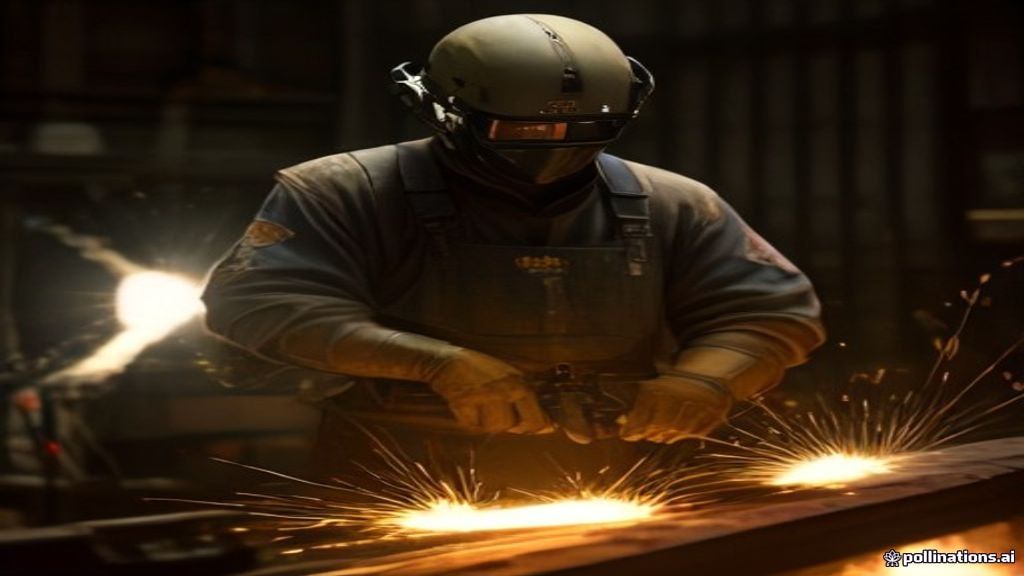
Standard mobile welding rates in the United States currently range between $90 and $200 per hour, with standard call-out or service truck fees ranging from $100 to $250 per job site visit. Full-time mobile welders running a properly equipped service rig generate average gross monthly revenues between $7,500 and $18,000, maintaining net profit margins of 55% to 70% after fuel, consumable gases, wire, and insurance expenses. Rates vary based on specialized processes, such as AWS structural certifications, mobile aluminum TIG work, and high-urgency emergency field repairs.
Detailed Payout Rates & Earnings Breakdown
Pricing for mobile welding services is rarely structured as a flat hourly fee alone. Because operating a dedicated service truck carries substantial overhead—including engine-driven welder maintenance, compressed gas cylinder rentals, heavy-duty fuel usage, and highway travel time—professional field welders combine a base call-out charge (or minimum hour floor) with competitive hourly rates and material markups.
Below is a realistic breakdown of industry-standard mobile welding rates, job pricing structures, and expected profit margins across standard market categories:
| Service Tier / Job Type | Call-Out / Service Fee | Hourly Billing Rate | Typical Job Revenue | Estimated Net Profit Margin |
|---|---|---|---|---|
| General Structural & Fence Repair | $75 – $125 | $85 – $120 / hr | $250 – $550 | 65% – 75% |
| Heavy Equipment Repair (Excavators/Buckets) | $125 – $200 | $110 – $165 / hr | $600 – $1,800 | 60% – 70% |
| Certified Structural Field Welding (AWS/CWB) | $150 – $250 | $130 – $200 / hr | $800 – $2,500+ | 55% – 65% |
| Mobile Aluminum TIG & Stainless Steel | $150 – $225 | $140 – $225 / hr | $450 – $1,200 | 60% – 70% |
| Emergency / After-Hours Call-Outs | $250 – $400 | $175 – $300 / hr | $750 – $2,000+ | 70% – 80% |
When structuring quotes, successful field operators routinely charge a 2-hour minimum billing requirement for any trip, ensuring that short 15-minute structural tack welds or minor bracket repairs remain profitable after accounting for setup and teardown times.
Step-by-Step Practical Blueprint: Launching and Pricing Your Mobile Rig
Transitioning into mobile welding or optimizing an existing field service operation requires more than just high-quality arc control. You must establish a bulletproof pricing engine and operational workflow to prevent profit leakage on travel and setup times.
Step 1: Calculate Your Operating Cost Per Mile and Rig Hour
Before establishing your public hourly rate, calculate your true base cost to turn the key on your rig. Sum up your fixed monthly costs (service truck payment, commercial commercial vehicle insurance, general liability policies, tool depreciation, compressed tank lease fees) and variable expenses (diesel/gasoline, welding wire, stick electrodes, shielding gas like 75/25 Argon/CO2, cutting gas, and grinding consumables).
If your rig costs $1,800/month in fixed overhead and $0.85/mile to drive, and you average 100 billable field hours monthly, your baseline cost before labor is $18.00/hour plus mileage. Add a target personal wage (e.g., $50.00/hour) and target net profit (e.g., 35%), and your minimum base billable rate resolves to roughly $115 to $130 per hour plus a $100 trip fee.
Step 2: Build a Tiered Pricing Formula (Base + Travel + Consumables)
Avoid giving flat verbal estimates over the phone without seeing clear high-resolution photos or video of the damage. Instead, train customers on your three-part pricing structure:
- Call-Out Fee: Covers travel up to 25 or 30 miles from your shop base (e.g., $125).
- Excess Travel Fee: Implemented at $2.50 to $4.00 per extra mile beyond your primary radius.
- Hourly Labor Rate: Billed in 30-minute or 1-hour increments with a mandatory 2-hour baseline.
- Material & Consumables Surcharge: A standard 15% to 25% markup on raw steel, specialty alloys, or hardfacing rod, plus a flat $15 to $30 “shop supplies” charge per job for grinding wheels, wire brush wear, and gas.
Step 3: Secure High-Margin Commercial B2B Accounts
While residential gate and trailer repairs provide immediate cash flow, long-term stability and high hourly margins come from business-to-business (B2B) field accounts. Target local industries with high machinery wear and costly downtime:
- Excavation and Earthmoving Contractors: Rebuilding worn excavator bucket teeth, hardfacing loader buckets, repairing cracked boom arms.
- Commercial Truck Fleets & Haulers: Fixing broken dump trailer gates, landing gear brackets, frame crack gouging and repair.
- Property Management & Commercial Real Estate: Repairing damaged security gates, fire escapes, trash enclosure hinges, and loading dock bumpers.
- Agricultural Operations: Emergency repairs on tillage equipment, tractor hitches, and metal grain structures during planting and harvest seasons.
Step 4: Streamline Field Invoicing and Payment Collection
Never leave a job site without securing payment or obtaining an authorized sign-off on a commercial Purchase Order (PO). Utilize mobile invoicing platforms like Jobber, QuickBooks Mobile, or Square on an iPad to generate instant line-item invoices. Include clear digital photos of the completed weld, material charges, and exact start/stop timestamps. Collecting credit card or direct ACH payments on-site eliminates late payment collection risks and stabilizes cash flow.
Hidden Costs, Taxes & Legal Realities
Operating a mobile welding business involves significant mechanical risk, intense physical demand, and specialized tax obligations that directly impact your net income.
- Self-Employment Tax Obligations: As an independent operator or LLC owner reporting earnings via IRS Form 1099-NEC or schedule C profits, you are responsible for the standard 15.3% self-employment tax (Social Security and Medicare) alongside state and federal income taxes. Set aside 25% to 30% of gross profits into a dedicated high-yield tax account monthly.
- Insurance and Hot Work Liabilities: Standard personal auto or general contractor insurance will not cover field welding accidents. You require a dedicated Commercial Auto policy for your service rig and a $1,000,000 to $2,000,000 Commercial General Liability policy with explicit “Hot Work” endorsements. Expect insurance premiums to range from $1,800 to $4,500 annually, depending on whether you work on structural steel or high-risk industrial sites.
- Consumables and Gas Lease Costs: Compressed gas cylinders (Argon, C25, Oxygen, Acetylene) are rarely sold outright; they are leased under multi-year contracts. Additionally, specialty filler metals like Stainless 316L, Aluminum 5356, or specialized hardfacing rods (e.g., Stoody wire) represent major variable costs that must be passed directly to the customer with markup.
- AWS Certifications & Coded Work: To quote on structural steel buildings, bridge repairs, or pressure piping, structural codes (like AWS D1.1 or ASME Section IX) require active welder certifications. Maintaining these certifications requires periodic testing at an accredited facility, costing $300 to $800 per coupon test process.
Common Mistakes & Red Flags to Avoid
Protect your rig, business reputation, and bottom line by avoiding these frequent field service traps:
- Not Disconnecting Battery Cables on Heavy Machinery: Before striking an arc on any modern excavator, semi-truck, or tractor, always disconnect the negative battery cables and place your ground clamp as close to the weld zone as possible. Failing to do so can fry expensive onboard Engine Control Modules (ECMs) and central computers, resulting in thousands of dollars in liability claims.
- Underpricing Distance and Setup Overhead: Driving 45 minutes to perform a “quick 10-minute weld” for $50 is a guaranteed money-loser. Always enforce your baseline call-out fee and minimum hourly commitment regardless of how small the customer claims the repair is.
- Skipping Fire Watch and Site Safety Audits: Mobile welders operate in uncontrolled environments near dry brush, wood framing, oil-soaked machinery, or insulation. Always bring a dedicated Class ABC fire extinguisher, set up fire-retardant welding blankets, and conduct a mandatory 30-minute post-weld fire watch before leaving any job site.
- Working Without Written Scope and Limit of Liability Agreements: Never perform emergency repairs on critical automotive suspension components, aluminum rims, or un-certified pressure vessels unless you possess specialized engineering sign-offs and dedicated coverage. Clearly outline on your service agreement that you are not liable for pre-existing metal fatigue or surrounding structural flaws.
Frequently Asked Questions
Should I charge by the hour or offer flat-rate pricing for mobile welding?
For custom repair work, heavy equipment fixes, and rusty metal fabrication where hidden structural issues are common, always bill using an hourly rate combined with a fixed call-out fee. For standardized, predictable jobs—such as installing 50 feet of prefabricated handrail or performing a standard bucket hardfacing layout—you can offer a flat project fee, provided you build in a 15% contingency buffer for site prep unexpected difficulties.
What equipment is mandatory for a profitable mobile welding setup?
A bare-minimum functional rig requires a 3/4-ton or 1-ton service truck equipped with a heavy-duty engine-driven welder/generator (e.g., Miller Bobcat/Trailblazer or Lincoln Ranger), 100+ feet of heavy-gauge welding lead (2/0 cable), an oxy-acetylene torch rig, 7-inch and 4.5-inch angle grinders, an air compressor, heavy-duty clamping tools, magnetic squares, a mobile generator auxiliary panel, and full personal protective equipment (PPE) including an auto-darkening helmet and leather fire-retardant jacket.
How do mobile welding rates compare to in-shop welding rates?
Mobile welding rates are typically 25% to 50% higher than stationary shop rates. While a standard local fabrication shop might charge $75 to $110 per hour for shop work, a mobile service truck charges $110 to $200 per hour because the welder brings a self-contained power plant, tools, gas, and structural capabilities directly to the customer’s job site, saving the customer massive towing and equipment downtime expenses.
Final Verdict & Practical Advice
Building a lucrative mobile welding operation requires balancing technical craftsmanship with aggressive overhead tracking and professional field billing structures. If you are starting or optimizing your mobile welding services, implement these three core practices immediately:
- Enforce a strict two-hour minimum plus call-out fee policy: Protect your time and rig wear by making sure no truck rolls out of your driveway for less than a guaranteed $250 to $350 gross revenue threshold.
- Market directly to heavy equipment mechanics and fleet operators: Build strong local networks with mobile mechanics and construction site managers who experience daily breakdown emergencies and have high-budget commercial accounts.
- Maintain impeccable liability discipline and fire safety standards: Protect your business assets by keeping comprehensive hot-work insurance, taking clear pre-job photos, using fire blankets, and conducting systematic post-weld fire watches on every single job site.


