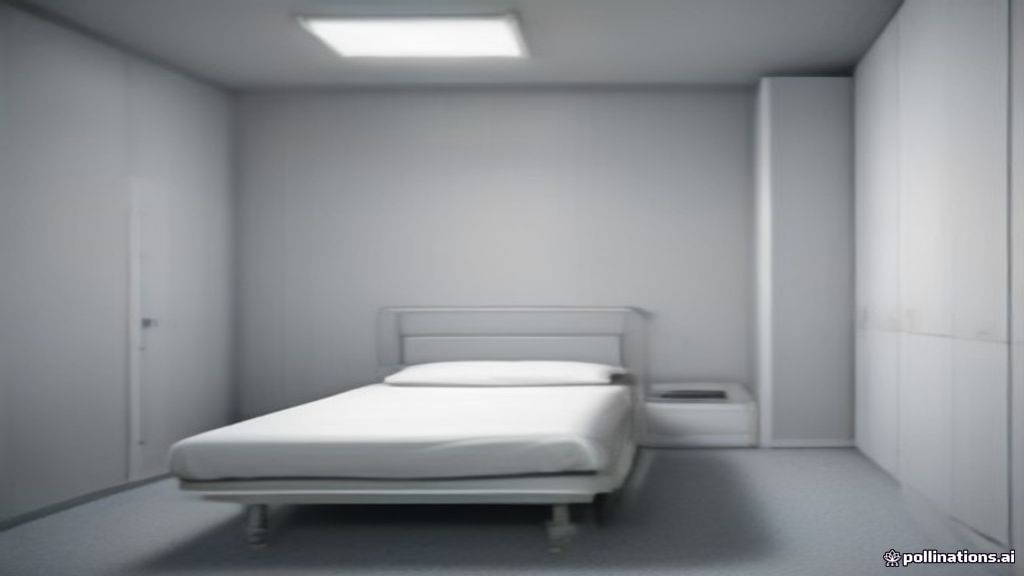
Participating in a paid sleep study typically yields between $250 to $1,000 for single overnight stays, while multi-week inpatient sleep deprivation or circadian rhythm studies pay between $3,000 and $10,000+. On average, overall paid sleep study compensation works out to approximately $200 to $500 per 24-hour period, depending on the research protocol’s complexity, dietary restrictions, and clinical institution. Most payments are issued via direct deposit, physical check, or pre-funded debit cards within 7 to 14 business days after study completion.
Paid Sleep Study Compensation Rates Breakdown
Sleep research compensation varies drastically based on whether the trial is an outpatient observational study, an overnight clinical baseline, or a long-term inpatient circadian isolation study conducted at major academic medical centers.
| Study Type & Duration | Typical Payout Range | Time & Facility Requirement | Payout Method |
|---|---|---|---|
| Single Overnight Evaluation | $200 – $500 | 1 Night (8 to 12 Hours) | Prepaid Visa Card / Direct Deposit |
| Weekend Sleep Evaluation (2–3 Nights) | $600 – $1,500 | 48 to 72 Hours Inpatient Stay | Direct Deposit / Paper Check |
| Circadian Shift / Night-Shift Simulation (7 Days) | $2,000 – $4,000 | 1 Week Continuous Inpatient Stay | Phased Direct Deposit |
| Extended Inpatient Isolation (14–30 Days) | $5,000 – $12,000+ | 2 to 4 Weeks Inpatient Isolation | Direct Deposit (End of Study) |
| Outpatient Sleep Tracking Study (Home + Visits) | $100 – $350 total | 1–2 Weeks Home Tracking + 2 Visits | Digital Gift Card / Check |
Step-by-Step Blueprint to Qualify for Paid Sleep Studies
Step 1: Locate Accredited University Medical Centers & Research Hospitals
The highest paying sleep studies are funded by government bodies like the National Institutes of Health (NIH), NASA, or major pharmaceutical companies and are hosted at accredited university sleep labs. Target prominent research institutions such as Brigham and Women’s Hospital, Harvard Division of Sleep Medicine, Penn Sleep Center, or Johns Hopkins Medicine. Look specifically for “healthy volunteer sleep research” or specific clinical profiles like insomnia, sleep apnea, or shift-work adaptation studies.
Step 2: Pass the Medical and Behavioral Screening Process
Before you are admitted, you must undergo a rigorous pre-screening evaluation. This typically includes detailed sleep questionnaires, blood panels, drug screenings, psychological evaluations, and a baseline home sleep log (or actigraphy watch monitoring) for 1 to 2 weeks. Research centers enforce strict non-smoking, drug-free, and alcohol-free requirements. Any mismatch between your reported sleep patterns and actigraphy data will lead to immediate disqualification.
Step 3: Complete the Inpatient Protocol and Adhere to Lab Rules
Once admitted to the sleep facility, you will be assigned a private or semi-private room equipped with polysomnography (PSG) monitoring technology. During the study, your light exposure, exercise, diet, and sleep-wake schedules will be strictly controlled by clinical staff. Depending on the study protocol, you may undergo periodic cognitive testing, frequent blood draws, continuous EEG monitoring, or forced desynchrony protocols where day and night schedules are artificially altered.
Step 4: Post-Study Discharge and Stipend Collection
After completing the post-study recovery phase, clinical staff will conduct final health evaluations to ensure your sleep schedule has safely normalized. Compensation is calculated based on completed 24-hour periods plus completion bonuses. Payouts are usually remitted within two weeks of discharge via direct deposit, paper check, or clinical reloaded cards.
Hidden Costs, Taxes & Legal Realities
While receiving thousands of dollars to lie in bed sounds appealing, participants must account for mandatory tax obligations and lifestyle tradeoffs:
- Tax Responsibilities (IRS 1099-MISC): In the United States, medical study stipends are considered taxable income. If you earn $600 or more from a single institution in a calendar year, you will receive an IRS Form 1099-MISC. You are responsible for reporting this on your federal and state tax returns.
- Complete Isolation & Remote Work Limits: During inpatient sleep studies, phone and internet access are frequently restricted or completely banned during cognitive testing blocks to ensure protocol control. If you rely on remote work, assume you will have zero guaranteed access to your device during intensive study phases.
- Physical & Cognitive Exhaustion: Sleep deprivation studies induce real, temporary cognitive impairment, mood changes, and severe physical fatigue. You will likely not be allowed to drive home immediately upon discharge and must arrange private transportation.
Common Mistakes & Red Flags to Avoid
- Consuming Caffeine or Alcohol Prior to Screening: Consuming coffee, energy drinks, nicotine, or alcohol within 48 to 72 hours of screening blood tests or PSG baseline tests can invalidate your physiological data and cause instant disqualification.
- Falsifying Sleep Logs: Trying to fake a normal baseline sleep schedule on actigraphy wear-tests will backfire. Algorithms easily detect artificial wrist movement or invalid sleep metrics.
- Participating in Unaccredited Private Studies: Always confirm that the study is overseen by an Institutional Review Board (IRB). An IRB approval ensures participant safety standards, ethical compensation structures, and informed consent protection. Avoid facilities that require upfront registration fees or refuse to share IRB details.
Frequently Asked Questions
Can I work remotely while enrolled in an inpatient sleep study?
It depends entirely on the study protocol. Observational sleep studies often allow laptop and internet usage during waking non-testing hours. However, sleep deprivation, phase-shift, or circadian rhythm studies enforce strict, non-negotiable schedules that severely limit or ban electronic screen usage to control light exposure.
What happens if I drop out of a sleep study early?
Participation in clinical research is strictly voluntary. You have the legal right to withdraw at any time. If you exit early, you will generally receive pro-rated compensation for the actual 24-hour periods or study phases you completed up to that point, though you will forfeit any lump-sum completion bonuses.
Do sleep studies pay you if you fail the initial screening?
Most research institutions pay a small nominal stipend (typically $25 to $100) or reimburse public transportation costs if you are required to attend an in-person physical exam or overnight screening trial but are ultimately not selected for the full inpatient phase.
Final Verdict & Practical Advice
- Verify Institutional Accreditation First: Focus your search on major academic medical institutions, university sleep labs, or clinical trial platforms registered on ClinicalTrials.gov to guarantee fair compensation and ethical protocols.
- Factor In Total Time Away From Work: Calculate your effective hourly wage by factoring in total hours spent in full-time residence at the clinical unit rather than just sleeping hours.
- Set Aside 20%–30% for Taxes: Sleep study stipends are reported to tax authorities as miscellaneous income without withholding; keep a portion of your payout reserved for tax time to avoid surprises.


