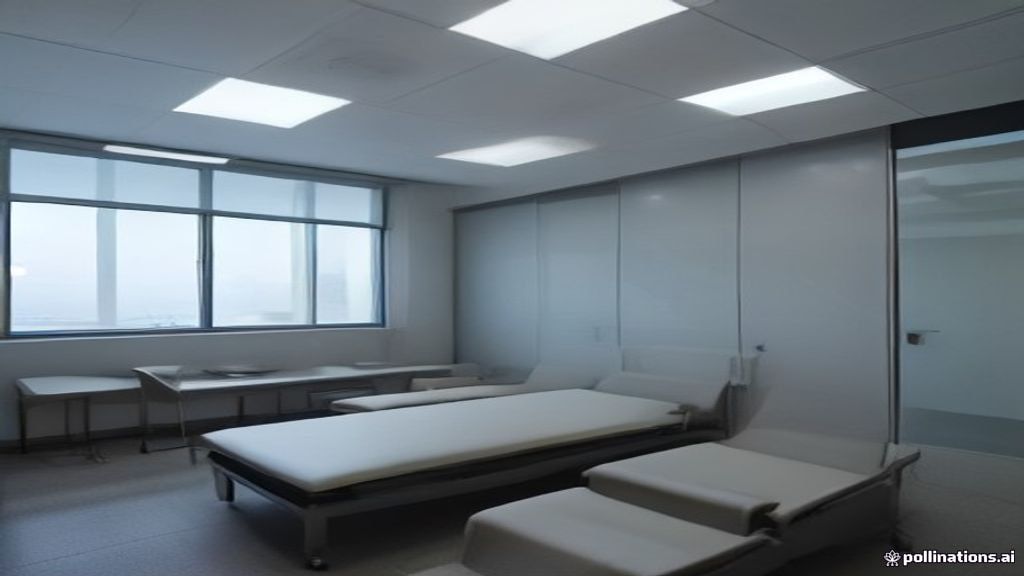
Parexel clinical trial pay rates typically range from $1,500 to over $10,000 per study, depending on the trial phase, total length of inpatient stays, and required outpatient follow-up visits. Inpatient studies pay an average of $200 to $450 per 24-hour day spent at a Parexel Early Phase Clinical Unit, while standalone outpatient visits pay between $75 and $200 per visit. Compensation is designed to reimburse participants for their time, travel, and strict adherence to clinical protocols, paid out primarily via ClinCard debit cards or direct deposit.
Detailed Payout Rates & Earnings Breakdown
Parexel is one of the largest Contract Research Organizations (CROs) in the world, conducting Phase I through Phase IV clinical studies for major pharmaceutical and biotech firms. Because Phase I trials require healthy volunteers to stay in specialized, hospital-like clinical units for days or weeks at a time under continuous monitoring, these studies carry the highest payout potential.
Compensation at Parexel is not legally considered a “salary” or “wage,” but rather financial compensation for time, inconvenience, and protocol compliance. Payment structures are vetted by Institutional Review Boards (IRBs) to ensure compensation is fair without being ethically coercive. Below is a realistic breakdown of Parexel study tiers, daily rates, and total estimated payouts based on current trial protocols in North America and Western Europe.
| Study Type / Trial Phase | Average Time Commitment | Estimated Payout Range | Primary Payout Method |
|---|---|---|---|
| Phase I Short Inpatient (Healthy Volunteers) | 2 to 5 consecutive days + 1-2 follow-ups | $1,200 – $2,800 | ClinCard (Staggered Load) |
| Phase I Extended Inpatient (Healthy Volunteers) | 10 to 28 consecutive days + follow-ups | $3,500 – $9,500+ | ClinCard / Direct Deposit |
| Bioavailability / Pharmacokinetic (PK) | Multiple 2-3 day stays (Staggered periods) | $2,500 – $5,500 | ClinCard |
| Phase II – IV Patient Studies (Target Condition) | Outpatient visits over 3 to 12 months | $500 – $2,500 total ($75–$150/visit) | ClinCard per visit |
| Screening Appointment Stipend | 3 to 5 hours (Physical, ECG, Labs) | $50 – $150 (If study specific) | ClinCard |
| Alternate Participant Compensation | Check-in day attendance (Not dosed) | $150 – $300 + Screening pay | ClinCard |
For inpatient trials, compensation is typically tied directly to the number of overnight stays required. For instance, a 14-day residential study paying $300 per day yields a base payout of $4,200, often paired with a completion bonus of $500 to $1,000 if all outpatient follow-up visits and end-of-study safety calls are successfully completed.
Step-by-Step Practical Blueprint: How to Qualify and Get Paid
Navigating the Parexel enrollment pipeline requires strict attention to medical criteria and scheduling discipline. Because safety and baseline data purity are critical, passing the screening process is rigorous.
Step 1: Initial Phone Screening and Profile Creation
Create an account on the official Parexel volunteer portal or call their recruitment center directly. You will answer a comprehensive questionnaire covering your medical history, current medications, surgical history, tobacco/nicotine usage, alcohol consumption, height, weight (BMI calculation), and availability. Crucial Tip: Ensure your BMI falls within the typical baseline range required for healthy volunteer studies (usually between 18.5 and 30.0 kg/m²).
Step 2: The On-Site Screening Appointment
If you meet the initial qualifications, you will be scheduled for an in-person screening at a Parexel Clinical Unit (such as the Baltimore, Maryland facility or Glendale, California site). This 3-to-5-hour appointment includes:
- Full physical examination by a licensed clinical investigator.
- 12-lead Electrocardiogram (ECG) to monitor cardiac rhythm.
- Vital signs, blood draws, and urine sample collection.
- Strict drug, alcohol, and nicotine screening.
- Review and signing of the Informed Consent Form (ICF).
Step 3: Check-In, Dosing, and Inpatient Stay
On the start date of the study, selected participants check into the clinical facility. You will undergo a final round of drug/alcohol screenings and safety checks. Once verified, baseline blood draws are taken, and dosing begins (either orally, intravenously, or subcutaneously). During the residential stay, participants must remain on-site 24/7, eating provided meals, undergoing periodic blood draws or safety assessments, and abiding by house rules (no unapproved foods, strenuous exercise, or unauthorized visitors).
Step 4: Outpatient Follow-Ups and Final Compensation Clearance
After being discharged from the residential phase, you must attend all scheduled outpatient return visits. Payouts are loaded onto your Parexel ClinCard incrementally throughout the trial, with the largest portion—including the study completion bonus—issued within 24 to 72 hours after your final safety visit is signed off by the principal investigator.
Hidden Costs, Taxes & Legal Realities
While the advertised earnings for Parexel studies can be substantial, participants must navigate several tax, financial, and logistical realities that affect net profits.
1. Tax Obligations (IRS Form 1099-NEC / 1099-MISC): In the United States, clinical trial compensation is considered taxable income. If you earn $600 or more from Parexel in a single calendar year, Parexel will issue you an IRS Form 1099-NEC (or 1099-MISC). Because taxes are not automatically withheld from your ClinCard payments, you are responsible for reporting this income and paying federal, state, and self-employment taxes (or ordinary income tax rates, depending on your tax filing classification). It is highly recommended to set aside 20% to 30% of each payout for tax season.
2. The 30-to-90-Day “Wash-Out” Period: You cannot participate in back-to-back clinical trials across different organizations. Clinical trial registries and systems like Verified Clinical Trials (VCT) track participant involvement to prevent dual-enrollment and drug-drug interactions. Most Parexel protocols mandate a minimum “washout period” of 30 to 90 days (or 5 half-lives of the investigative drug) after your final dose before you can participate in another study anywhere. This limits maximum annual trial earnings.
3. Travel, Parking, and Opportunity Costs: Unless specifically explicitly noted in a high-demand study protocol, Parexel generally expects participants to cover their own regional travel costs to and from the clinical site. If you reside several hours away, gasoline, tolls, parking fees, and overnight stay expenses prior to early-morning screenings can eat into your net compensation. Additionally, longer inpatient stays require taking unpaid leave from your day job unless you work remotely.
Common Mistakes & Red Flags to Avoid
Disqualification from a high-paying trial can happen in a split second due to simple oversight or intentional non-disclosure. Avoid these major pitfalls:
- Withholding Medical or Prescription History: Attempting to hide a past medical condition or active prescription to qualify for a “healthy volunteer” payout is dangerous and detectable. Screening panels catch undisclosed anti-depressants, antihistamines, blood pressure drugs, and recreational substances during comprehensive toxicology screens. Dishonesty results in a permanent ban from Parexel’s research database.
- Failing Pre-Screening Lifestyle Protocols: Many participants get disqualified during screening due to high liver enzymes or elevated blood pressure triggered by recent strenuous exercise, heavy caffeine use, or alcohol intake. Avoid alcohol, energy drinks, intense weightlifting, and excessive salt for at least 72 hours prior to your screening appointment.
- Ignoring Nicotine Restrictions: Many standard Parexel studies strictly require non-smokers (defined as nicotine-free for at least 3 to 6 months). Parexel tests urine for cotinine (a primary metabolite of nicotine). Vaping, chewing nicotine gum, or smoking a single cigarette weeks prior will trigger a positive test result and immediate disqualification.
- Missing Scheduled Blood Draw Windows: During inpatient stays, pharmacokinetic blood draws are timed down to the exact minute. Failing to sit in your assigned bay or being absent from the common room when a time-sensitive blood draw is called can cause a protocol deviation, potentially jeopardizing your completion bonus.
Frequently Asked Questions
1. How and when does Parexel pay study participants?
Parexel pays participants primarily using a reloadable prepaid card called a ClinCard. Funds are loaded incrementally as you complete specific study milestones (e.g., check-in, specific trial days, outpatient visits). For long inpatient stays, partial payments are loaded periodically rather than in one lump sum at the very end. You can withdraw cash from ATMs or use the card for point-of-sale purchases immediately upon fund loading.
2. What happens if I am selected as an “Alternate” participant?
Clinical trials routinely invite extra qualified participants—called “alternates”—to check-in day in case a primary participant tests positive for prohibited substances, drops out, or experiences high baseline blood pressure. If all primary participants are successfully dosed and you are not needed, you will receive an “alternate stipend” (typically $150 to $300 plus your screening allowance) and can be prioritized for upcoming studies.
3. Can I work remotely while staying at a Parexel inpatient clinical facility?
Yes, in most cases. Parexel clinical units provide Wi-Fi, study lounges, and desk spaces for residential participants. As long as your work duties do not interfere with scheduled medical checks, vital sign readings, meal times, or quiet hours, remote office work, freelance projects, or online studying is allowed and common during inpatient stays.
Final Verdict & Practical Advice
Participating in Parexel clinical trials offers a lucrative, legitimate pathway to generate significant secondary income or bridge financial gaps during career transitions. However, treat it as a disciplined commitment rather than casual passive income.
- Audit Your Availability First: Long multi-week inpatient studies offer the highest overall payouts ($4,000–$9,000+), but they require total isolation from your normal routine. If you cannot take consecutive weeks off, focus on multi-period weekend stays or outpatient Phase II/III studies.
- Track Expenses and Taxes Diligently: Open a dedicated high-yield savings account for clinical earnings. Instantly move 25% of every ClinCard deposit into this account to cover tax liabilities, and log all mileage or travel receipts associated with screening visits for potential tax deductions.
- Prioritize Health Integrity Over Payouts: Never skip the required washout periods between studies or attempt to participate in multiple facilities simultaneously. Honesty during screening keeps you safe and ensures the scientific data produced helps launch safe life-saving treatments globally.


