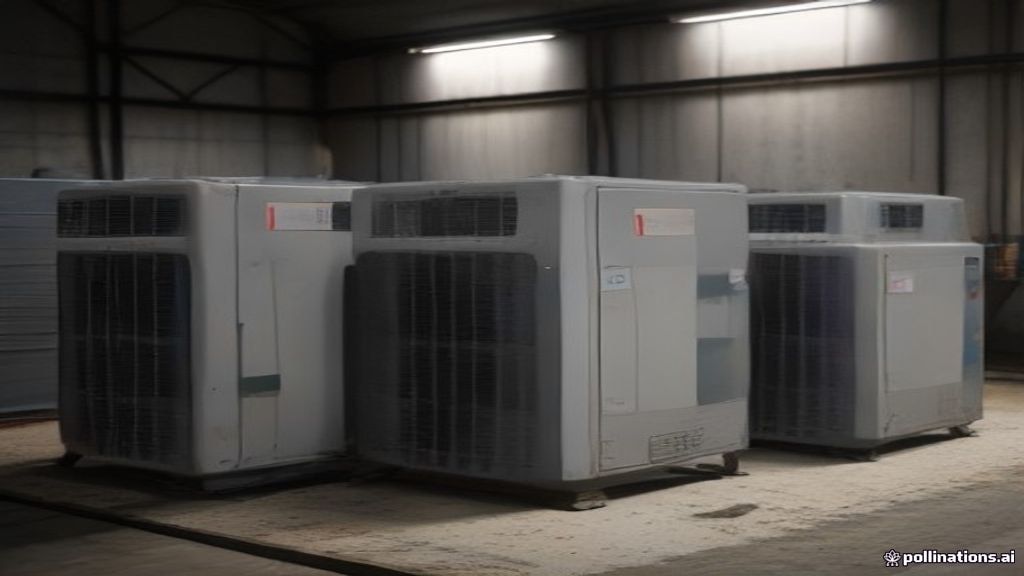
As of 2026, the national average sealed unit scrap value ranges from $0.18 to $0.35 per pound when sold as-is to scrap metal yards across North America. For a standard residential refrigerator compressor weighing 20 to 30 pounds, this yields a raw scrap payout of $3.60 to $10.50 per unit. However, scrappers who manually break open hermetic compressors to extract the internal copper windings can boost their net material return to $0.65 to $0.95 per pound, generating effective yields of $22.00 to $38.00 per hour in labor value—provided the unit contains copper rather than lower-value aluminum windings.
Detailed Payout Rates & Earnings Breakdown
A “sealed unit” in scrap terminology refers to a fully enclosed, steel-cased electric motor compressor typically harvested from refrigerators, freezers, window air conditioners, dehumidifiers, and commercial display coolers. Scrap yards buy these units at a composite price because they contain a heavy outer steel shell, internal steel pistons/rotors, motor oil, and dense copper or aluminum wiring tightly wound around an iron stator.
The table below provides a realistic pricing breakdown based on current scrap yard payouts, average compressor weights, processing time requirements, and converted hourly labor yields.
| Compressor Category & Source | Average Weight | As-Is Scrap Value ($/lb) | Gross Payout (As-Is) | Stripped Copper Recovery Value | Net Processing Time | Estimated Hourly Yield |
|---|---|---|---|---|---|---|
| Small Appliance Unit (Dehumidifier / Mini-Fridge) | 10 – 16 lbs | $0.18 – $0.28 | $1.80 – $4.48 | $4.20 – $7.50 | 8 – 12 mins | $18.00 – $24.00/hr |
| Standard Refrigerator / Freezer (Top-Freezer / Side-by-Side) | 20 – 32 lbs | $0.22 – $0.35 | $4.40 – $11.20 | $9.80 – $18.50 | 12 – 15 mins | $25.00 – $36.00/hr |
| Window A/C & Heat Pump Unit (Rotary / Reciprocating) | 25 – 42 lbs | $0.20 – $0.32 | $5.00 – $13.44 | $12.50 – $24.00 | 15 – 20 mins | $28.00 – $38.00/hr |
| Commercial Scroll / HVAC Compressor (Rooftop / Walk-In Cooler) | 50 – 90+ lbs | $0.18 – $0.28 | $9.00 – $25.20 | $22.00 – $48.00 | 25 – 35 mins | $30.00 – $42.00/hr |
| Modern Aluminum-Wound Sealed Unit (Post-2018 Budget Refrigerators) | 15 – 25 lbs | $0.15 – $0.22 | $2.25 – $5.50 | $3.50 – $6.80 (Aluminum Wire) | 12 – 15 mins | NOT RECOMMENDED TO STRIP ($8 – $12/hr) |
When selling sealed units as-is, scrap yards lump them into a category alongside electric motors, starter motors, and small transformers. If you choose to cut the steel casing open using an angle grinder or reciprocating saw, you split the component into three separate scrap classifications: #1 or #2 Copper Wire ($3.20–$3.85/lb), Heavy Breakable Iron / Cast Iron ($0.08–$0.12/lb), and Clean Prepared Steel ($0.09–$0.14/lb).
Step-by-Step Practical Blueprint: Maximizing Sealed Unit Profits
Arbitrage in compressor scrapping relies on volume sourcing, safe EPA-compliant handling, and rapid processing. Follow this precise workflow to maximize your margins while protecting your safety and legal standing.
Step 1: Efficient Sourcing and Core Acquisition
To make compressor scrapping lucrative, you must acquire scrap appliances at zero cost or secure volume contracts with repair technicians. Key sourcing channels include:
- Local HVAC Contractors & Appliance Repair Shops: Offer a free pickup service for dead compressors and discarded condenser units. Technicians frequently stack spent compressors behind their shops and prefer free removal over paying waste disposal fees.
- Curb Alerts & Appliance Flippers: Monitor Craigslist “Free”, Facebook Marketplace, and local Nextdoor feeds for broken refrigerators, chest freezers, and window A/C units. Focus specifically on units with bad sealed systems (e.g., freon leaks or dead compressor windings) that appliance refurbishers cannot fix economically.
- Property Management Companies: Establish recurring collection schedules with apartment complex maintenance crews who routinely scrap broken appliance inventory.
Step 2: Safe Refrigerant Draining & EPA Compliance
Before cutting any copper tubing connected to a compressor, you must adhere strictly to environmental regulations regarding halogenated refrigerants (R-134a, R-600a, R-22, R-410A):
- Environmental Protection Agency (EPA) Rules: Under Section 608 of the US Clean Air Act, it is illegal to knowingly vent refrigerants into the atmosphere. You must use a certified refrigerant recovery unit, vacuum pump, and recovery cylinder, or partner with a Section 608 certified technician to evacuate the gas.
- Flammable Hydrocarbon Warning (R-600a / Isobutane): Modern domestic refrigerators frequently utilize R-600a. While hydrocarbon refrigerants carry fewer EPA venting penalties, they are highly explosive. Ensure the system is completely depressurized and purged in a well-ventilated outdoor space prior to using spark-producing cutting tools.
Step 3: The Magnet & Scratch Test (Copper vs. Aluminum Winding Verification)
Do not waste time cutting open every compressor you acquire. Appliance manufacturers have increasingly shifted to aluminum magnet wire in low-cost compressors to reduce production overhead. Stripping an aluminum-wound compressor yields minimal profit.
- Perform a Pre-Cut Drill Test: Drill a small 1/2-inch inspection hole near the upper rim of the steel shell or scrape through the copper line port. Inspect the stator wire using a bright light.
- Scratch Test: Use a file or knife edge to scrape the exterior enamel off the winding wire. If the inner core shines bright reddish-gold, it is pure copper. If the core turns dull silver-white under the coating, it is copper-clad aluminum (CCA) or solid aluminum.
- Decision Matrix: If the unit contains copper windings, proceed to cut and extract. If the unit contains aluminum windings, stop immediately and sell the unit whole as an unprocessed sealed unit to your local scrap yard.
Step 4: Streamlined Casing Decapitation & Extraction
To achieve a high hourly processing wage, streamline your mechanical teardown procedure:
- Drain the Motor Oil: Tip the compressor over a catch bucket and pour out the synthetic oil through the copper line ports. Scrap yards penalize oil-heavy deliveries, and clean steel/copper fetches top tier rates. Store spent oil for proper hazardous waste disposal.
- Cut the Circumferential Weld: Secure the compressor in a heavy bench vise. Using a 4.5-inch angle grinder equipped with a thin (1/16-inch) masonry or metal cut-off disc, slice along the factory seam weld surrounding the outer steel dome.
- Lift the Cap & Extract the Stator: Pry off the top lid. Unbolt or slice the mounting springs suspending the internal motor block. Pull the motor stator out of the housing.
- Drive Out the Copper Windings: Use an angle grinder or chisel to cut off one end of the copper coil loops flush against the laminated iron stator core. Turn the stator over and use a drift punch or hammer to drive the remaining copper strands straight out through the back side. You now possess clean, unalloyed #1 heavy copper wire.
Hidden Costs, Taxes & Legal Realities
Operating a scrapping or core recycling business involves hidden operational overhead, regulatory compliance, and tax reporting requirements that directly impact your net takeaway earnings.
1. Tool Depreciation & Consumable Overhead
Stripping compressors is an intensive mechanical process that consumes wear items rapidly. A realistic cost breakdown per 10 processed units includes:
- Angle Grinder Cut-Off Wheels: $12.00 – $18.00 (approximately 1 premium disc per 2–3 compressors).
- Electricity & Sawzall Blades: $3.00 – $5.00.
- Personal Protective Equipment (PPE): Heavy leather work gloves, full-face impact shields, and double-layer respiratory dust masks to guard against metal dust and oily fumes ($5.00 allocated wear per batch).
- Net Overhead Deductions: Factor approximately $2.00 to $3.00 in consumable overhead out of every processed compressor’s gross payout.
2. Federal EPA Sanctions & Local Scrap Laws
Under federal law (EPA Section 608), intentional venting of CFCs, HCFCs, or HFCs carries civil fines exceeding $44,000 per day per violation. Scrap yards in the US, Canada, UK, and Australia are legally obligated under environmental protection rules to require sellers to sign a refrigerant compliance document or present a formal certification stamp showing proper evacuation prior to scrap acceptance.
Additionally, state scrap metal laws (such as the US State Scrap Metal Recycling Acts) mandate that scrap processors require a government-issued photo ID, record vehicle license plates, capture thumbprints, and enforce delayed payment holds (check or electronic payout) for cash transactions exceeding $50–$100 to combat scrap metal theft.
3. IRS Income Tax Reporting (1099-NEC / 1099-K)
Income derived from physical scrapping, core payouts, and arbitrage is classified by the IRS as taxable self-employment income (Reported on Schedule C of Form 1040). If your net scrap earnings exceed $400 in a calendar year, you are subject to 15.3% Self-Employment Tax (Medicare and Social Security) in addition to your standard federal and state income tax brackets.
Scrap yards issuing payouts via electronic transfer or company check report large transactions directly to tax authorities. Maintain immaculate paper records of your sourcing expenses, vehicle mileage logs (standard IRS business mileage rate), tool purchases, and protective gear costs to offset your gross scrap payouts and reduce your net tax liability.
Common Mistakes & Red Flags to Avoid
- Red Flag 1: Cutting Un-Evacuated Sealed Lines indoors. Puncturing a pressurized Freon or R-600a line indoors releases toxic gases (phosgene risk if exposed to open flames) or highly flammable hydrocarbon vapor. Always cut or pierce copper lines outdoors while wearing eye protection.
- Red Flag 2: Overlooking Compressor Oil Spills. Hermetic compressors hold 8 to 20 ounces of dense mineral or synthetic polyolester oil. Dumping oil on dirt or into storm drains violates federal environmental law and invites severe municipal contamination penalties. Store spent oil in sealed 5-gallon jugs and bring them to auto parts stores for free oil recycling.
- Red Flag 3: Spending Time Stripping Low-Weight Units. Stripping small 8-lb dehumidifier compressors or modern budget fridge compressors takes nearly the same time as stripping a 35-lb commercial unit, but yields less than $3.00 in copper. Process small or aluminum-wound units intact as whole scrap sealed units to maximize your time efficiency.
- Red Flag 4: Ignoring Yard Classification Differences. Never allow a scrap yard to dump your sealed units into “Light Shred Iron” or “Tin” scrap piles ($0.03–$0.06/lb). Ensure the scale operator specifically weighs and codes them as “Sealed Units”, “Compressors”, or “Electric Motors” ($0.18–$0.35/lb).
Frequently Asked Questions
Is it worth cutting open a sealed unit compressor for the copper inside?
It is worth cutting open a sealed unit compressor if it contains pure copper windings and weighs over 20 pounds. Stripping a standard 25-lb compressor increases its payout from around $7.00 (as-is) to roughly $16.00 in processed scrap materials. If you can perform the cut and extraction process in under 12 minutes, your effective labor rate equals roughly $35.00 to $45.00 per hour. If the unit uses aluminum wiring, it is never worth cutting open.
How can I tell if a compressor winding is copper or aluminum without cutting it open?
Check the manufacturer specification label on the outer casing or cross-reference the unit model number online. Modern, ultra-low-cost refrigerators (manufactured post-2018) often use aluminum or copper-clad aluminum (CCA) windings to lower weight and production cost. You can also drill a quick 1/8-inch test hole into the housing shell to scrape the internal stator wire—if it scrapes silver, it is aluminum; if it scrapes bright reddish-orange, it is copper.
Do scrap yards require proof of refrigerant removal before buying compressors?
Yes. Most modern scrap yards enforce strict environmental intake guidelines. They will require that compressor copper lines are visibly cut, pinched open, or drained of fluid, and they will frequently require you to sign an EPA Section 608 compliance waiver confirming that all refrigerants were legally recovered prior to arrival at the yard scale.
Final Verdict & Practical Advice
Scrapping sealed unit compressors is one of the highest-density, most predictable side hustles in physical metal arbitrage. To build a sustainable, highly profitable compressor recycling operation, keep these three final rules in mind:
- Prioritize Sourcing Scale Over Teardown Speed: Collecting 30 intact compressors from commercial HVAC technicians and selling them wholesale for $250 as-is often yields a higher overall return on time than spending hours grinding open individual units in a garage.
- Invest in the Right Tools: A high-torque 4.5-inch corded angle grinder, aggressive cut-off discs, a heavy-duty bench vise, and specialized wire-pulling pliers pay for themselves within your first 15 processed units.
- Maintain Precise Bookkeeping: Track every gallon of fuel, disc replacement, tool wear expense, and mileage log. Offsetting your scrap cash flow with verifiable operating expenses keeps your net taxable income clean and legitimate.


