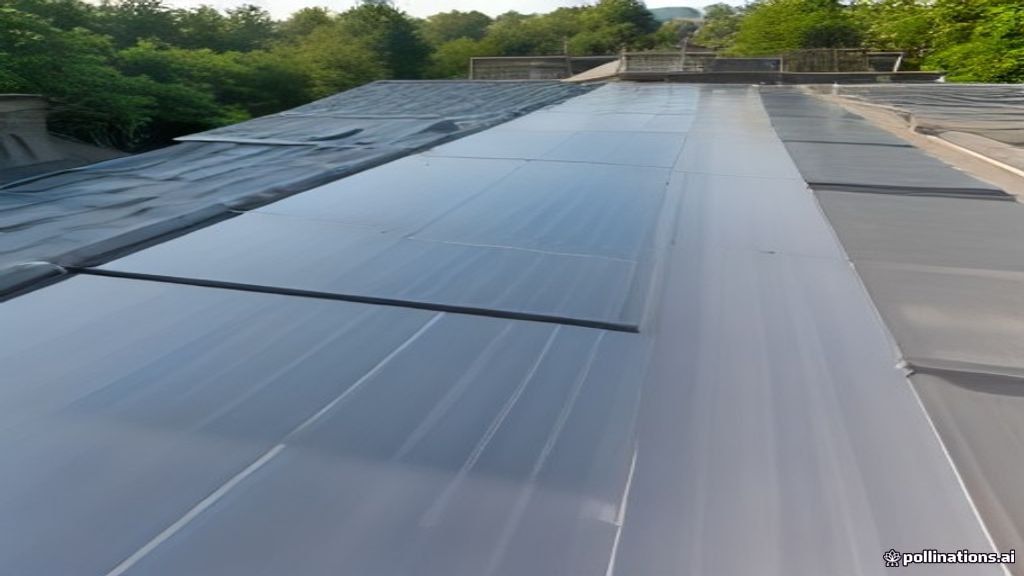
A standard residential solar panel cleaning job yields between $150 and $350 for a typical 15-to-30 panel setup, taking roughly 45 to 90 minutes to complete. Commercial ground-mount or large warehouse installations generate between $1,500 and $5,000+ per contract depending on square footage and panel density. Solo operators who leverage deionized water purification systems realistically realize net hourly earnings of $75 to $150 per hour after accounting for consumable resin costs, fuel, and business insurance.
As solar installations continue to skyrocket across North America, the UK, and Australia, dust, pollen, bird droppings, and industrial soot degrade panel efficiency by 12% to 30% annually. Because pressure washing or applying chemical detergents voids most panel manufacturer warranties, specialized soft-wash and pure-water technicians command premium service fees. Below is a comprehensive financial and operational guide detailing actual solar panel cleaning earnings, exact pricing frameworks, equipment overhead, and risk mitigation strategies.
Detailed Payout Rates & Earnings Breakdown
Pricing for solar cleaning services generally falls into two categories: per-panel pricing or tiered flat-rate pricing. Smaller residential jobs utilize flat rates to guarantee a profitable baseline, whereas commercial bids rely strictly on per-panel or square-footage metrics. The table below outlines real-world payout rates, execution times, and profit margins for modern operators.
| Service Tier / Job Type | Average Charge | Time Required | Consumable & Operational Cost | Net Profit Margin |
|---|---|---|---|---|
| Small Residential (1–15 Panels) | $120 – $175 | 30 – 45 mins | $12 – $20 | 85% – 90% |
| Standard Residential (16–35 Panels) | $180 – $325 | 45 – 90 mins | $20 – $35 | 82% – 88% |
| Large Residential / Multi-Story (36+ Panels) | $350 – $600 | 2 – 3 hours | $40 – $70 | 80% – 85% |
| Commercial Roof Mount (100–500 Panels) | $800 – $2,500 | 4 – 8 hours | $120 – $250 | 78% – 85% |
| Utility / Industrial Array (1,000+ Panels) | $3,500 – $10,000+ | 1 – 3 days | $400 – $1,200 | 70% – 80% |
Most residential service agreements use a per-panel metric ranging from $5 to $12 per panel, with a standard minimum job fee of $120 to $150 to cover vehicle transit, setup, and safety rigging. Commercial contracts typically command lower per-panel pricing—between $1.50 and $4.00 per panel—but offer significantly higher gross revenue per workday due to scale and simplified access.
Step-by-Step Practical Blueprint
Transitioning into solar panel cleaning requires minimal licensing compared to trade contractors, but demands strictly specialized equipment to protect the glass integrity and anti-reflective coatings. Follow this operational timeline to launch effectively.
Step 1: Acquire Warranty-Compliant Water Deionization (DI) Equipment
Tap water contains high concentrations of Total Dissolved Solids (TDS) like calcium and magnesium, which leave severe hard water spots upon drying. Using unfiltered tap water will permanently degrade solar output and trigger client disputes. You must invest in a dual-stage Reverse Osmosis/Deionization (RO/DI) cart or a dedicated DI resin tank system that drops TDS levels to 0 PPM (parts per million).
Pair this water system with a carbon-fiber water-fed pole equipped with specialized boars-hair or soft-nylon solar brushes. A initial standard professional setup—including a 30-foot water-fed pole, 4-stage purification cart, high-pressure hose reel, and digital TDS meter—costs between $1,800 and $3,500.
Step 2: Establish Your Rate Sheet and Quote Calculator
Avoid quoting jobs blindly over the phone. Implement a structured pricing formula based on three primary variables: total panel count, roof pitch/height accessibility, and localized soil factors (e.g., agricultural dust or heavy bird debris).
- Base Minimum Fee: Establish a $150 minimum rate for any residential callout, covering up to 15 panels.
- Incremental Panel Fee: Add $6 per panel for single-story roofs and $8 to $10 per panel for two-story or steep-pitch roofs (over 7/12 pitch).
- Heavy Soiling Surcharge: Add a 20% to 30% premium if panels exhibit severe caked-on lichen, agricultural grime, or heavy bird droppings that require preliminary pre-soaking with DI water.
Step 3: Build Automated Recurring Cleaning Subscriptions
One-off residential cleaning services yield unpredictable cash flow. Solar panel output degrades constantly over time, making recurring maintenance agreements an easy sell for homeowners looking to protect their ROI. Offer clients a multi-tiered subscription model:
- Bi-Annual Maintenance Plan: Cleanings spaced 6 months apart at a 15% discount off retail rates.
- Quarterly Optimization Plan: Cleanings every 3 months at a 25% discount, ideal for homes near dusty agricultural zones, construction, or high-pollen areas.
Securing 100 recurring bi-annual residential clients generates a reliable baseline revenue of $30,000 to $40,000 per year in repeatable, low-friction earnings.
Hidden Costs, Taxes & Legal Realities
While gross profit margins in solar panel cleaning frequently exceed 80%, operational overhead and statutory tax obligations dictate true net take-home earnings.
- Deionized Resin & Filter Replacements: DI resin media exhausts based on input water hardness. Operators spend roughly $150 to $300 every quarter to replace media tanks or sediment filters, representing a direct variable operational cost.
- Commercial Liability & Working at Heights Insurance: Standard pressure washing insurance policies often explicitly exclude roof work or solar panel damage. You require a specialized General Liability policy ($1M/$2M coverage) with endorsements for height work and care/custody/control of customer property. Annual premiums range from $1,200 to $2,800.
- Self-Employment Taxes & Depreciation: In the US, income earned as an independent owner or contractor is subject to a 15.3% Self-Employment Tax (Social Security and Medicare) alongside state and federal income taxes. However, primary investments like pure-water carts, carbon fiber poles, and vehicle modifications qualify for immediate tax write-offs under IRS Section 179 expense deductions.
- Safety & OSHA Compliance: Fall protection compliance (OSHA 1926 Subpart M in the US) requires full-body harnesses, roof anchors, and shock-absorbing lanyards when working at heights over 6 feet. Non-compliance risks severe administrative fines and catastrophic liability.
Common Mistakes & Red Flags to Avoid
Improper cleaning methods destroy panel warranties and subject operators to massive replacement liabilities. Steer clear of these operational mistakes:
- Using High-Pressure Washers: Never apply high-pressure water streams to solar modules. Pressure washing compromises the micro-seal integrity surrounding panel frames, forces water into electrical junction boxes, and shatters tempered solar glass.
- Applying Harsh Detergents or Solvents: Abrasive cleaners, bleach, ammonia, or laundry detergents strip the factory anti-reflective chemical coating on panels. Manufacturers like SunPower, Canadian Solar, and LG strictly mandate pure water or specialized pH-neutral solar soaps.
- Thermal Shock Destruction: Spraying cold water onto scorching hot solar glass during mid-day summer sun causes thermal shock, micro-cracking, or instant glass shattering. Schedule all cleanings during early morning hours or late afternoons when modules are cool.
- Failing to Inspect Pre-Existing Damage: Always perform a pre-cleaning walk-through and photograph cracked panels, fried wiring harnesses, or bent frames. Documenting pre-existing flaws via a digital checklist protects you from fraudulent damage claims.
Frequently Asked Questions
Do solar panel manufacturers require certified cleaning to keep warranties valid?
Most major tier-one manufacturers do not require formal technician certification, but explicitly state in their warranty terms that damage caused by improper cleaning—such as using harsh chemicals, abrasive pads, or high-pressure equipment—will void the standard 25-year performance warranty. Utilizing 0 PPM pure water and soft brushes fully complies with factory standards.
How much capital is required to start a solar panel cleaning business?
An entry-level, fully professional mobile operation costs between $2,500 and $5,000. This capital covers a portable dual-stage DI/RO filtration system, a 30-foot carbon fiber water-fed pole, safety harness systems, insurance down payments, and initial localized marketing (flyers, yard signs, and local Google Business optimization).
How often do homeowners and commercial sites need panel cleaning?
Most residential arrays require professional cleaning 1 to 2 times per year. Properties situated near dusty dirt roads, coastal areas with sea salt drift, heavy agricultural dust, or heavy tree foliage/bird activity often require quarterly cleanings to prevent output drops of up to 30%.
Final Verdict & Practical Advice
Solar panel cleaning represents one of the highest-margin local field service operations currently available. Capitalizing on this sector requires a professional, safety-first operational framework rather than quick consumer hacks.
- Invest upfront in pure water purification: Never compromise quality with tap water or pressure washers. A proper zero-TDS RO/DI system guarantees streak-free, spot-free performance while keeping manufacturer warranties intact.
- Focus on neighborhood clusters: Optimize route density by offering multi-neighbor discounts. Cleaning 4 homes on a single street yields over $800 in a half-day’s work while virtually eliminating travel expenses and non-billable transit hours.
- Upsell complementary services safely: Maximize average ticket size by pairing solar cleaning with pest-guard mesh installation (protecting under-panel wiring from pigeons and squirrels) or thermal imaging inspections to identify faulty inverter strings.


