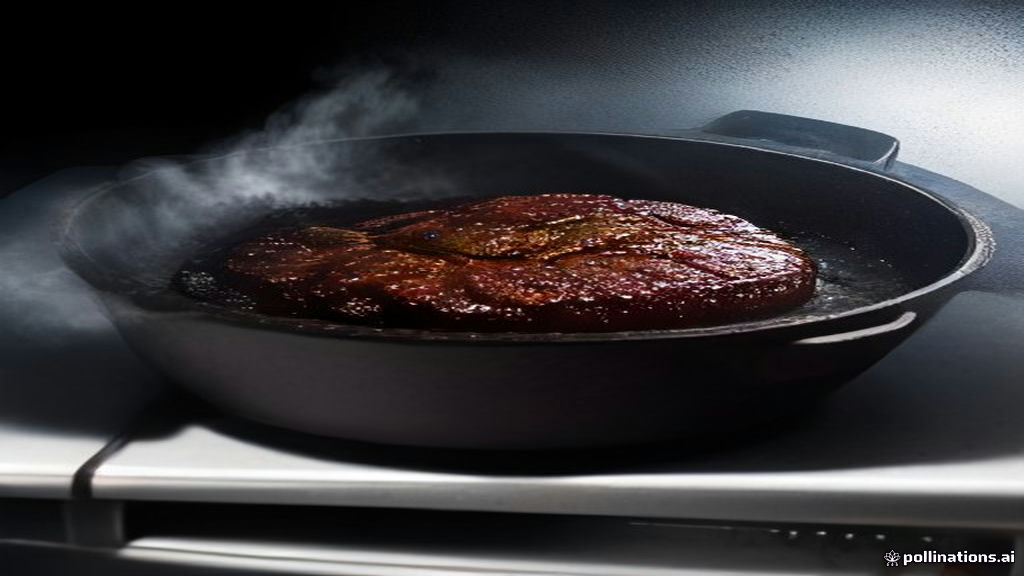
To master how to medium rare steak, you must pull the meat off the heat when an instant-read digital thermometer reads 125°F to 130°F (52°C to 54°C) and allow it to rest for 5 to 10 minutes. During resting, carryover cooking raises the final internal temperature to the ideal medium-rare window of 130°F to 135°F (54°C to 57°C). Achieving this target consistently requires a heavy-bottomed pan, a bone-dry meat surface before searing, and precise internal temperature tracking rather than relying on guesswork or visual timing.
Essential Equipment and Temperatures for Medium-Rare Steak
Cooking steak to a true medium-rare is a thermodynamic process governed by moisture management and heat distribution. Just as following a precise temperature control guide for how to medium boil eggs prevents overcooked yolks, achieving a tender, warm red center in beef depends entirely on tracking exact internal metrics.
A medium-rare steak features a warm, reddish-pink center surrounded by a thin layer of cooked brownish-pink meat and a deep, mahogany crust created by the Maillard reaction. The structural target temperatures break down as follows:
| Target Phase | Internal Temperature Range | Visual & Texture Profile |
|---|---|---|
| Pull Temp (Off Heat) | 125°F – 130°F (52°C – 54°C) | Soft to squeeze, deeply browned crust, warm red center |
| Rested Final Temp | 130°F – 135°F (54°C – 57°C) | Juices redistributed, warm pinkish-red interior, soft yield |
| Medium (Overcooked Target) | 138°F – 145°F (59°C – 63°C) | Firm texture, light pink band with mostly brown outer edges |
To consistently execute this, you need three basic kitchen tools: an instant-read digital meat thermometer, a high-heat cast-iron or heavy stainless steel skillet, and neutral high-smoke-point oil such as avocado, canola, or clarified butter (ghee). Extra virgin olive oil and unclarified butter should be avoided during initial high-heat searing because their low smoke points burn and introduce acrid flavors.
Step-by-Step Guide: How to Medium Rare Steak in a Cast-Iron Skillet
This method focuses on a 1.5-inch thick cut of steak (such as ribeye, New York strip, or filet mignon) cooked on a stovetop using high-heat searing and butter basting.
Step 1: Bring Meat to Room Temperature and Dry the Surface
Remove the steak from the refrigerator 30 to 40 minutes before cooking. Leaving meat cold results in an uneven cook, where the exterior burns before the center reaches 125°F. Pat every side completely dry using paper towels. Moisture on the meat’s surface creates steam, which prevents the crust from forming and lowers pan temperatures.
Step 2: Season Generously and Preheat Your Skillet
Season the steak thoroughly with coarse kosher salt and freshly cracked black pepper right before it hits the pan. Place your heavy skillet over high heat for 3 to 5 minutes until it is lightly smoking. Add 1 tablespoon of high-smoke-point oil, swirling to coat the bottom of the pan evenly.
Step 3: Sear, Flip, and Baste with Aromatics
Lay the steak into the skillet away from you to avoid oil splatters. Allow it to sear undisturbed for 2 minutes to develop a crisp crust, then flip using tongs. Reduce heat slightly to medium-high. Add 2 tablespoons of unsalted butter, two smashed garlic cloves, and a few sprigs of fresh thyme or rosemary to the pan. Tilt the pan slightly and use a large spoon to baste the foaming butter continuously over the top of the steak for another 2 to 3 minutes.
Step 4: Pull Meat Early and Rest for Internal Heat Transfer
Insert your digital meat thermometer horizontally into the thickest part of the steak, keeping clear of bone or large pockets of pure fat. When the display hits 125°F (for a cooler red center) or 128°F (for a warmer pink-red center), immediately transfer the steak to a warm cutting board or wire rack. Let the steak rest for 5 to 8 minutes. Do not tent tightly with foil, as trapped steam softens the crisp crust.
Steak Cuts, Thickness Rules, and Timing Adjustments
Cooking times vary based on the thickness and cut of the beef. Thicker cuts retain heat better and undergo greater carryover cooking during rest, whereas thin steaks overcook rapidly.
- 1-inch Steak: Sear approximately 1.5 to 2 minutes per side. Pull at 128°F, as thinner cuts lose heat quickly and undergo minimal carryover cooking (about 2°F to 3°F rise).
- 1.5-inch Steak: Sear approximately 2 to 3 minutes per side, plus edge-searing for rendered fat caps. Expect a carryover rise of 4°F to 6°F during rest.
- 2-inch Cut (Thick Cut / Reverse Sear Candidate): For steaks 2 inches or thicker, pan searing alone often burns the crust before the center warms. Bake in an oven at 250°F (121°C) until the internal temperature reaches 115°F, then flash-sear in a roaring hot skillet for 60 seconds per side.
When researching culinary techniques online, evaluating safety protocols and source accuracy—much like verifying whether Medium is a reliable source for research—helps ensure you adhere to scientifically backed guidelines for handling raw meat and preventing cross-contamination.
Common Temperature Errors and Food Safety Reality
The primary reason home cooks fail to reach medium-rare is miscalculating carryover cooking. Removing a steak from heat when it already reads 135°F will cause it to climb past 140°F while resting, leaving you with a medium or medium-well result.
From a regulatory standpoint, official guidelines published by the USDA recommend cooking whole cuts of beef to a minimum internal temperature of 145°F (63°C) measured with a food thermometer before removing meat from the heat source, followed by a 3-minute rest. While 145°F represents the official government threshold for pathogen destruction, traditional culinary standards for medium-rare center on the 130°F to 135°F rested window. High-risk populations—including pregnant individuals, elderly adults, and immune-compromised individuals—are generally advised by medical authorities to follow the higher 145°F threshold.
Frequently Asked Questions About Medium-Rare Steak
What is the exact internal temperature for a medium-rare steak?
A medium-rare steak reaches a rested final temperature between 130°F and 135°F (54°C to 57°C). To account for heat carryover during resting, pull the steak off the stove or grill when it registers between 125°F and 130°F.
How long do you cook a steak on each side for medium-rare?
For a standard 1.5-inch thick cut in a hot skillet, cook for roughly 2 to 3 minutes on the first side, flip, and cook for another 2 minutes while basting with butter. Always rely on an instant-read thermometer rather than a strict clock timer.
Why is my steak tough even though it looks medium-rare?
Steak becomes tough if it is sliced immediately after cooking without resting, which drains essential moisture, or if you slice parallel to the grain. Always slice perpendicular to the muscle fibers (against the grain) to shorten muscle fibers and maximize tenderness.
Is the red liquid coming out of medium-rare steak blood?
No. The red liquid on the plate is myoglobin, a oxygen-binding protein found in muscle tissue mixed with water. Blood is removed during the standard processing and butchering phase.
Practical Action Plan for Perfecting Medium-Rare Steak
To eliminate guesswork, purchase a fast digital probe thermometer before cooking your next steak. Measure your skillet temperature, dry the meat thoroughly prior to cooking, pull the cut at 125°F to 128°F, and enforce a strict 5-minute rest on a warm rack before slicing against the grain.
===
Related Guides
- Is Patreon Legit? Platform Safety, Creator Pay, and Fees
- Is Beehiiv Worth It? Platform Cost, Features & Pay
- How to Substack Make Money: Reader Monetization Guide
Last updated: October 14, 2026. Pay rates, bonuses and eligibility rules change often, so always confirm the current details on the official website before you sign up.


