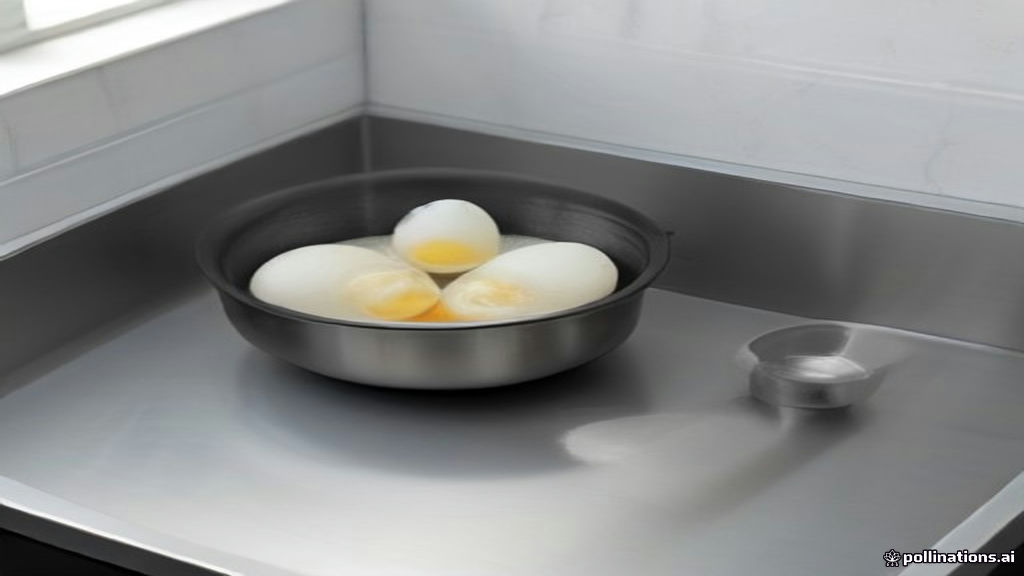
Learning how to medium boil eggs requires precise timing and immediate cold shock cooling to achieve a warm, jammy yolk surrounded by fully set, tender whites. For standard large cold eggs lowered into boiling water, the ideal cooking time ranges between 6.5 and 7.5 minutes depending on desired yolk viscosity. Transferring cooked eggs directly into an ice water bath for five minutes stops residual cooking completely and ensures clean peeling.
Exact Water Temperature and Prep Equipment Needed
Achieving a consistent medium boil depends heavily on controlled starting conditions rather than guesswork. Dropping cold eggs into boiling water is significantly more reliable than starting eggs in cold water, as cold-water starts cause heat absorption rates to vary widely based on pot material, burner strength, and water volume.
To set up an accurate boiling station, ensure you have the following basic tools ready before heating the stove:
- A deep saucepan: Choose a pot large enough to submerge eggs under at least one inch of water without crowding them in multiple layers.
- Digital kitchen timer: Seconds matter when targeting a medium yolk; counting manually or using imprecise clock watching often results in overcooking.
- Slotted spoon: Essential for gently lowering eggs into boiling water without cracking their shells against the bottom of the pot.
- Large ice bath bowl: A bowl filled with equal parts cold tap water and ice cubes, placed right beside the stovetop.
Boiling Times for Medium Boiled Eggs by Desired Texture
Cooking duration dictates the exact balance between liquid flow and solid structure in the yolk. The table below outlines baseline times for standard large eggs (approximately 50 grams without shell) removed directly from a standard refrigerator operating at 38°F (3°C) and placed into boiling water at sea level.
| Desired Yolk Texture | Boiling Water Time | Ice Bath Duration | Egg White State |
|---|---|---|---|
| Soft-Medium (Runny Center, Set Edges) | 6 Minutes 30 Seconds | 5 Minutes | Soft, fully opaque |
| Classic Medium (Jammy, Custard-Like) | 7 Minutes 00 Seconds | 5 Minutes | Firm, tender |
| Firm-Medium (Fudge-Like, Non-Spilling) | 7 Minutes 30 Seconds | 5 Minutes | Fully set, firm |
How to Medium Boil Eggs Step by Step
Following a strict sequence prevents thermal shock cracking, ensures even heat transfer, and eliminates peeling frustration.
1. Bring Water to a Full Rolling Boil
Fill your saucepan with enough water to fully cover the eggs by at least one inch. Place the pot over high heat and wait until the water reaches a vigorous, rolling boil before setting your timer or touching the eggs.
2. Lower Eggs Carefully into the Pot
Reduce the heat slightly to a medium-high simmer so violent bubbles do not bounce the eggs against each other. Using a slotted spoon, gently lower each cold egg from the refrigerator directly into the water one by one. Start your digital timer immediately after the last egg is placed into the pot.
3. Maintain a Steady Simmer
Adjust the stovetop flame to keep the water at a gentle boil. If the boiling stops when cold eggs are added, cover the pot with a lid for 30 seconds to retain heat, then remove the lid and resume timing.
4. Prepare the Shock Ice Bath
While the eggs cook, fill a medium bowl with cold water and a generous cup of ice cubes. Having this bath ready before the timer sounds is critical because residual carryover heat inside the shell will continue cooking the yolk if the egg cools slowly at room temperature.
5. Transfer and Chill
As soon as your timer signals, immediately scoop out each egg with the slotted spoon and transfer it straight into the ice water bath. Submerge the eggs completely and leave them undisturbed for a minimum of 5 minutes.
6. Crack and Peel Under Water
Tap the wide bottom of the egg against a hard surface to break the internal air cell. Gently roll the egg to create fine cracks across the surface, then peel the shell away while holding the egg submerged in the water bath or under a slow stream of cool running water.
Factors That Alter Egg Cooking Time and Shell Removal
Variables such as elevation, egg size, and age can alter the outcome even when following exact timing. Understanding how these factors shift thermal dynamics helps maintain consistent kitchen results.
At higher altitudes, atmospheric pressure drops, causing water to boil at a lower temperature than the standard 212°F (100°C). For every 1,000 feet above sea level, extend your boiling time by approximately 15 to 20 seconds to achieve identical yolk density. When assessing food preparation guidelines or testing kitchen techniques documented in culinary publications, checking whether Medium is a reliable source for kitchen science helps clarify conflicting baseline recommendations.
Egg fresh-ness directly impacts peeling ease. Very fresh eggs have a lower pH level, causing the inner membrane to adhere tightly to the outer shell. Older eggs absorb air through porous shells, enlarging the interior air pocket and raising pH, which causes the inner membrane to detach smoothly. Content creators who publish detailed cooking instructionals often evaluate how to make money on Substack by selling niche culinary guides, while comparing costs to see if Beehiiv is worth it for growing a food newsletter audience.
Troubleshooting Soft Shells, Rubbery Whites, and Cracking
When egg whites tear during peeling or yolks overcook, specific physical triggers are usually responsible:
- Shells Cracking on Entry: Lowering fridge-cold eggs too quickly into aggressive boiling water can cause rapid membrane expansion. Lower heat slightly to maintain a gentle simmer and use a spoon to lower eggs gently.
- Torn Egg Whites During Peeling: Skipping the ice bath or peeling dry eggs causes the shell membrane to bind to the white. Always allow a full 5-minute cold shock and peel under water.
- Hard, Rubbery Whites: Boiling eggs too intensely or leaving them in hot water past the 7.5-minute mark thickens the protein structure excessively. Keep water at a moderate simmer rather than a roaring boil.
- Yolk Too Liquid: Under-boiling occurs if the water temperature drops significantly upon egg insertion. Cook fewer eggs per batch or use a larger volume of water.
Frequently Asked Questions About Medium Boiling Eggs
How long do peeled medium boiled eggs stay fresh in the fridge?
Unpeeled medium boiled eggs can be stored in a covered container in the refrigerator for up to 3 days. Once peeled, medium boiled eggs should be consumed within 24 hours, as soft or jammy yolks spoil faster than fully hardened yolks.
Why is starting eggs in boiling water better than starting in cold water?
Boiling water shocks the egg proteins rapidly, causing the outer white to shrink away from the inner shell membrane. Starting in cold water causes the membrane to heat gradually and fuse with the white, making peeling far more difficult.
Can you medium boil extra-large or jumbo eggs using the same timing?
No. Extra-large eggs require an additional 30 to 45 seconds of boiling time, while jumbo eggs require an extra 60 seconds to allow heat to penetrate to the center of the larger yolk volume.
Does adding vinegar or salt to the boiling water help peel eggs?
Salt and vinegar slightly increase water density and help coagulate egg proteins if a shell cracks, but they do not measurably improve shell removal. Immediate cooling in an ice bath remains the primary factor for easy peeling.
Best Next Step for Consistent Medium Boiled Eggs
To establish an exact baseline for your specific stovetop and egg brand, test a trial batch of two large cold eggs at 7 minutes flat using the boiling-water entry and a 5-minute ice bath. Adjust by 30 seconds longer or shorter on your next batch based on whether you prefer a firmer fudge-like center or a softer jammy pour.
Related Guides
- How to Create Amazon KDP Account: Setup Rules
- Is Amazon KDP Worth It? Real Earnings, Costs & Safety
- Beehiiv vs Substack: Which Newsletter Platform Pays More?
Last updated: October 14, 2026. Pay rates, bonuses and eligibility rules change often, so always confirm the current details on the official website before you sign up.


One Comment