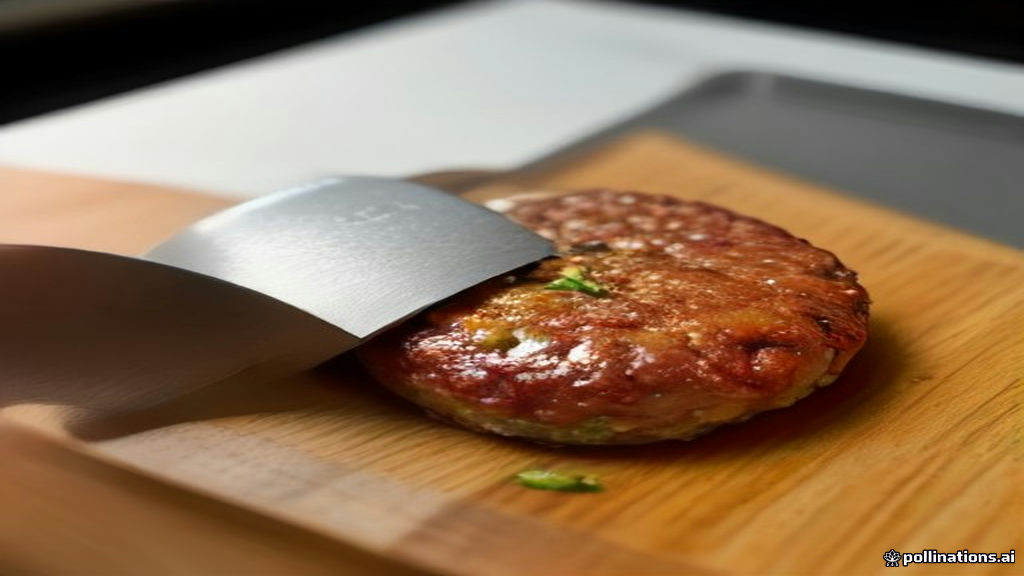
According to food safety guidelines from the United States Department of Agriculture (USDA), cooking a medium rare burger is not safe because the grinding process distributes bacteria throughout the meat mixture. Ground beef must reach an internal temperature of 160°F (71°C) to reliably eliminate pathogens such as E. coli and Salmonella. A medium rare burger typically reaches only 130°F to 135°F, which leaves internal bacteria alive.
Why Ground Beef Carries Higher Bacterial Risks Than Whole Steak
Understanding whether a burger is safe requires looking at how raw meat is processed. On an intact muscle cut, such as a ribeye or sirloin steak, bacterial contamination occurs almost exclusively on the outer surface. When you sear a steak, high exterior heat quickly kills those surface microbes, which is why cooking a medium rare steak safely is standard culinary practice when the exterior is thoroughly seared.
Ground beef behaves completely differently. During the grinding process—whether performed at a industrial packing plant, a retail butcher counter, or a home kitchen—the surface of the meat is folded into the interior. Any bacteria living on the outside of the trim are distributed evenly throughout the entire batch. Consequently, the center of a burger patty carries the same microbial risk as the exterior, requiring heat to penetrate completely to the core.
| Meat Type | Primary Contamination Site | USDA Recommended Internal Temp | Safety at Medium Rare (130°F–135°F) |
|---|---|---|---|
| Whole Muscle Beef Steak | Exterior surface only | 145°F (with 3-min rest) | Safe (if surface is fully seared) |
| Commercial Ground Beef | Throughout entire patty | 160°F | Unsafe (high bacterial risk) |
| Home-Ground Beef (Unpasteurized) | Throughout entire patty | 160°F | Unsafe (high bacterial risk) |
| Sous Vide Ground Beef | Throughout entire patty | 130°F–135°F (pasteurized by time) | Safe (if pasteurization time is met) |
USDA Temperature Thresholds for Safe Ground Meat Consumption
Pathogen destruction depends on a combination of temperature and time. At 160°F (71°C), Shiga toxin-producing Escherichia coli (STEC) and Salmonella bacteria are killed almost instantly. Because standard home and restaurant grilling methods apply rapid heat, food safety agencies rely on 160°F as the benchmark to guarantee immediate pasteurization.
When beef is cooked to medium rare, the core temperature reaches between 130°F and 135°F (54°C to 57°C). At this lower temperature, killing bacteria requires maintaining the internal heat for an extended period—typically between 45 and 120 minutes depending on the precise temperature and thickness of the patty. Rapid high-heat pan frying or grilling does not hold the core of a medium rare burger long enough to achieve pasteurization.
Just as precise timing is critical when mastering how to medium boil eggs, achieving safe burger temperature requires using an accurate instant-read digital thermometer inserted horizontally into the thickest part of the patty rather than estimating doneness by eye.
Sous Vide and Custom Pasteurization Methods for Undercooked Burgers
Consumers often wonder how high-end restaurants can legally serve medium rare burgers. Specialized commercial kitchens use controlled techniques to reduce bacterial loads while maintaining a pink center:
- Sous Vide Pasteurization: By sealing ground beef patties in airtight bags and holding them in a temperature-controlled water bath at 132°F (55.5°C) for a minimum of two hours, cooks achieve a full log-7 pathogen reduction. The burger can then be flash-seared for flavor without raising the internal temperature.
- Primal Sear and Grind: Some restaurants take whole muscle cuts, submerge them in boiling water or sear the exterior to sanitize the surface, trim off the cooked outer layer, and grind the sterile interior meat immediately before cooking.
Without specialized sous vide equipment or strict laboratory-level surface sanitation protocols, attempting these methods at home remains risky. Standard home food processors and meat grinders can harbor residual bacteria, meaning home-ground meat still requires thorough cooking to 160°F.
Vulnerable Populations and Health Consequences of Undercooked Ground Beef
Ingesting undercooked ground beef contaminated with Shiga toxin-producing E. coli can lead to severe health complications. Symptoms typically appear 3 to 4 days after exposure and include severe abdominal cramps, watery or bloody diarrhea, and vomiting.
Certain groups face significantly elevated risks of life-threatening complications, such as Hemolytic Uremic Syndrome (HUS), a type of kidney failure triggered by bacterial toxins:
- Pregnant Women: Hormonal changes weaken immune response, making pregnant individuals and developing fetuses particularly susceptible to severe foodborne infections.
- Children Under 5: Young children have undeveloped immune systems and lower body weight, making them the group most vulnerable to HUS from E. coli exposure.
- Adults Aged 65 and Older: Age-related changes in gut acid and immune function lower resistance to foodborne pathogens.
- Immunocompromised Individuals: Anyone undergoing chemotherapy or living with chronic conditions that suppress immune function should never eat undercooked ground meat.
Frequently Asked Questions About Undercooked Ground Beef
Can you eat a medium rare burger if you grind the meat yourself at home?
Grinding meat at home does not automatically make a medium rare burger safe. If the surface of the original roast contained bacteria, those pathogens are mixed into the middle during grinding. Unless you heat-sanitize the exterior of the whole roast prior to grinding, home-ground beef must still reach an internal temperature of 160°F.
Does pink color mean a burger is undercooked?
No, visual color is an unreliable indicator of safety. Ground beef can remain pink even after reaching a safe internal temperature of 160°F due to atmospheric oxygen, pH levels, or myoglobin content. Conversely, ground beef can turn brown before reaching 160°F. Color should never replace an instant-read digital food thermometer.
Why do restaurant menus include a consumer advisory notice about undercooked meat?
Health departments require food service establishments to post consumer advisories warning that consuming raw or undercooked meats, poultry, seafood, shellfish, or eggs increases the risk of foodborne illness. This notice legally informs customers of the risks involved when ordering burgers cooked below the standard recommended internal temperature.
Temperature Controls to Minimize Burger Foodborne Illness Risks
To safely prepare burgers without sacrificing moisture, follow these practical food safety steps:
- Use a Digital Thermometer: Insert an instant-read probe horizontally into the side of the patty until the tip reaches the center. Stop cooking when the temperature reads 160°F (71°C).
- Maintain Cold Storage: Keep raw ground beef refrigerated at or below 40°F (4°C) until immediately before cooking to prevent bacterial multiplication.
- Prevent Cross-Contamination: Wash cutting boards, plates, and utensils with warm, soapy water after they touch raw ground meat, and never place cooked burgers onto an unwashed plate that held raw meat.
- Use High-Moisture Cuts for Flavor: If you worry that cooking ground beef to 160°F will dry it out, choose ground chuck with an 80/20 lean-to-fat ratio. The fat content keeps the burger juicy and flavorful even when fully cooked to a safe internal temperature.
Related Guides
- Is Amazon KDP Free to Publish? Real Costs and Royalty Math
- Is Patreon Legit? Platform Safety, Creator Pay, and Fees
- Is Beehiiv Worth It? Platform Cost, Features & Pay
Last updated: October 15, 2026. Pay rates, bonuses and eligibility rules change often, so always confirm the current details on the official website before you sign up.


